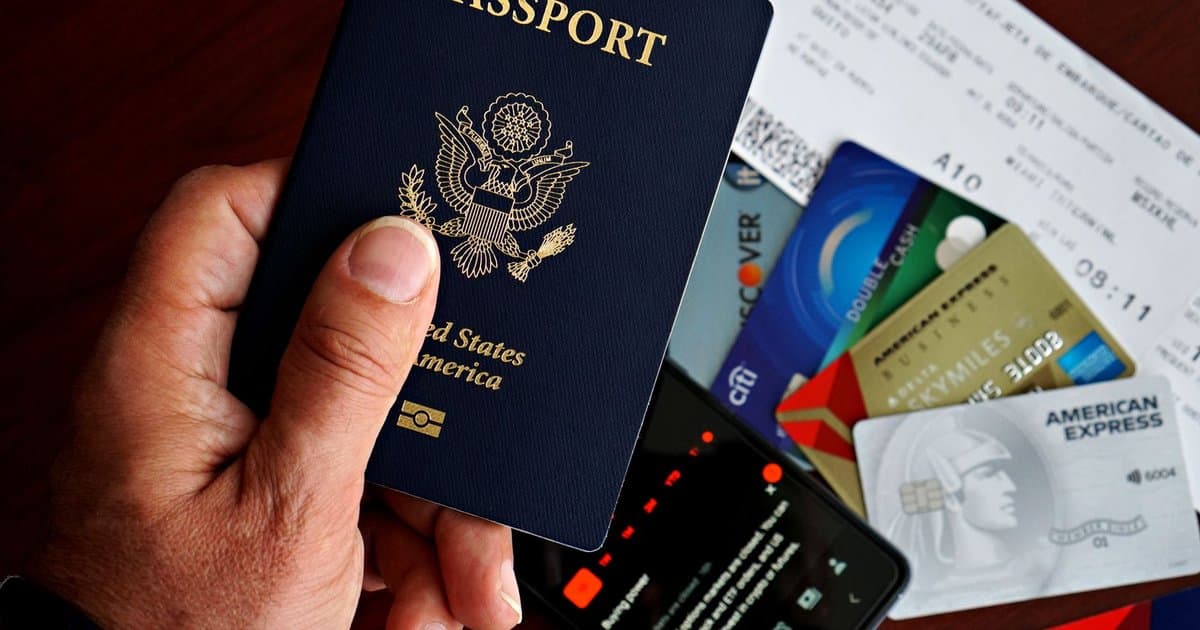
For years the advice was gospel. Book your flight on Tuesday afternoon and you will catch the lowest fare. People set reminders for it. Some still swear by it. The problem is that it is not true, and it has not been true for a long time. Airline prices do not follow a weekly calendar you can outsmart with a phone alarm.
The idea did come from something real, once. Years ago, airlines would file fare changes early in the week, and sales often landed on Monday nights. By Tuesday, competitors matched the lower prices, so Tuesday looked cheap. That pattern faded as pricing moved to computers. Now fares change many times a day, every day, driven by software that watches demand in real time. The old weekly rhythm is gone, and chasing it wastes your energy.
When researchers dig into millions of real bookings, the magic day disappears. Large studies of ticket data keep finding that the day of the week you buy makes little to no reliable difference. You might save a few dollars by luck, but not by rule. The savings people remember from Tuesday were mostly coincidence or a sale that happened to be running. If you wait for the perfect day to click, you can miss a genuinely good price sitting in front of you. The perfect booking day is a myth that costs more than it saves.
So what actually moves the price. The biggest factor is how far ahead you buy. For domestic trips, a window of roughly one to three months before departure tends to land fair prices. For international or busy holiday travel, you usually want to book earlier, sometimes several months out. Book too late and you pay the last minute premium. Book absurdly early and you may pay more too, before the airline starts managing the fare. There is a sweet spot, and it is measured in weeks and months, not days of the week.
The day you fly matters far more than the day you buy. Flights that leave midweek, often Tuesday or Wednesday, tend to cost less than weekend departures. That is because business and holiday crowds pack the Friday and Sunday planes. Flying on the actual holiday, like the morning of, is often cheaper than the days around it. If your dates can bend even a little, you can save real money. Shifting your trip by one day beats any trick about when to press buy.
Season is the other heavy hitter. The same route can double in price during peak weeks and school breaks. Traveling in the shoulder season, the quieter weeks just before or after peak, cuts the fare and the crowds at once. Being flexible on where you fly from or into can help as well, since a nearby airport is sometimes far cheaper. The more rigid your plans, the more you pay. The more you can flex, the more the deals open up.
A few simple tools beat any lucky day. Set a fare alert on a flight search site so it emails you when your route drops. Use the flexible date view that shows a calendar of prices across a whole month. Check the fare in a private browser window if it makes you feel better, though the evidence that sites raise prices on repeat visits is thin. Compare the airline's own site against the big search engines before you buy. Let the tools do the watching so you do not have to guess.
It is worth clearing up a couple of related myths while we are here. One is the belief that searching for flights in a private browser window always beats normal browsing. The idea is that airlines spy on your searches and raise the price to pressure you. Study after study has failed to find solid proof that this happens in any consistent way. Prices jump around because demand and seat counts change, not because a site remembered you. A second myth is that clearing your cookies unlocks hidden lower fares, and that one does not hold up either. There is no harm in checking a private window, and it costs you nothing. Just do not treat it as the secret that beats the airlines. The real levers are still the boring ones, which are your booking window, your travel days, and how flexible you can be.
The honest truth about cheap flights is less fun than a secret day. There is no code word and no perfect hour. There is only booking in a reasonable window, flying on lighter days, staying flexible, and letting an alert catch the dips. Do those things and you will beat the Tuesday crowd every time. Save your calendar reminders for the trip itself. The money is in the habits, not in the hour you click.