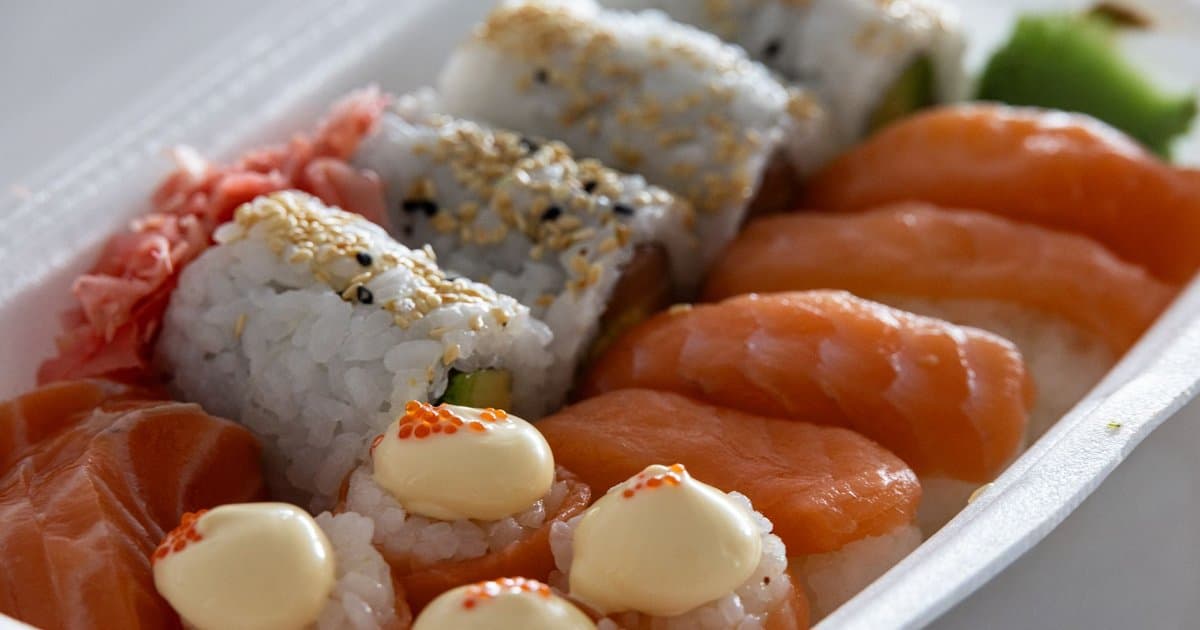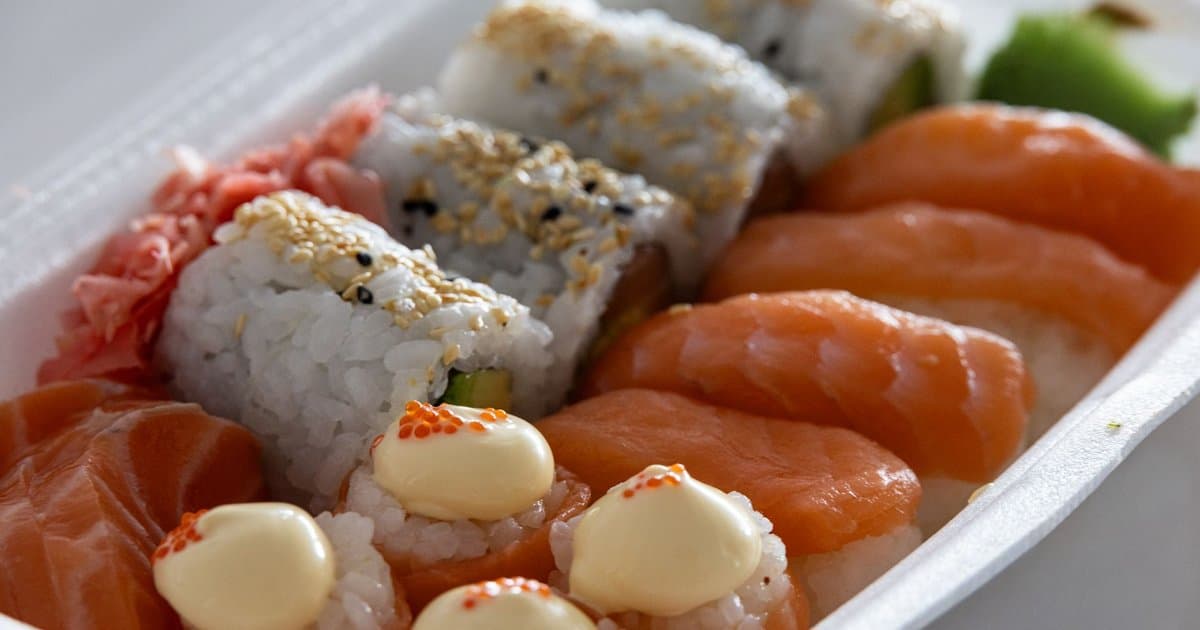
The little mound of green paste that comes with your sushi has a secret. In most restaurants, it is not wasabi at all. Estimates suggest that around ninety nine percent of the wasabi served in the United States is an imitation. Even in Japan, a large share of what gets called wasabi, often put near ninety five percent, is a stand in. What you are almost certainly eating is a blend of horseradish, mustard powder, and green food coloring. The real thing is rare enough that many people have never tasted it.
Real wasabi comes from a specific plant, Wasabia japonica, native to Japan. It grows along cold mountain streams, with its roots in running water that stays cool year round. Those conditions are hard to copy, which is why the plant has a reputation as one of the fussiest crops in the world. It takes a long time to mature, often a year and a half or more before harvest. Farms that grow it well are few, and demand far outstrips what they can produce. Scarcity like that shows up in the price.
And the price is steep. Exported wasabi has run around one hundred sixty dollars per kilogram, with some restaurants paying far more for top grade root. Compare that to horseradish, which grows almost like a weed and costs very little. For a restaurant serving hundreds of plates a night, the math is not close. Charging sushi counter prices while spending real wasabi money would wreck the bill or the budget. So the cheaper stand in wins almost every time.
Horseradish is a clever substitute for a reason. It belongs to the same plant family as wasabi, so it carries a similar sharp, sinus clearing bite. Grind it up, add mustard for heat, and tint it green, and most diners cannot tell the difference. The imitation also travels and stores far better than the real thing. It can sit in a tube or a takeout container without falling apart. For a kitchen that needs consistency and shelf life, that reliability matters as much as the cost.
The real plant has a stubborn flaw that makes the fakery even more tempting. Once fresh wasabi is grated, its flavor starts fading almost immediately. The sharp notes drop off within about fifteen minutes, which is why traditional chefs grate it to order right before serving. It is usually rubbed against a rough surface, classically sharkskin, into a fine paste. That paste has to reach the plate quickly to be worth the trouble. A tube of paste that lasts for weeks cannot possibly work the same way.
People who try the genuine article are often surprised by it. Real wasabi is not the nose blasting punch most of us expect. Its heat is gentler and cleaner, and it fades faster instead of lingering. Many describe a slight sweetness and a more complex, vegetal flavor underneath. The burn that makes your eyes water at a typical restaurant is largely the horseradish and mustard talking. In other words, the flavor most people think of as wasabi is really the taste of the imitation.
You can learn to tell them apart with a few clues. Fresh wasabi is usually grated at the table or served as a visible piece of root, not squeezed from a tube. Its color tends to be a softer, uneven green rather than a uniform bright shade. The flavor arrives smooth and then leaves, without a long harsh sting. Price is another hint, since real wasabi shows up mostly at high end places that charge for it. If a busy, low cost spot hands you a neat green ball, it is almost certainly the substitute.
None of this means the fake version is bad or that you should feel cheated. The horseradish blend is tasty, affordable, and part of how sushi spread around the world. Most of us grew up on it and enjoy it just fine. The point is simply to know what is on the plate. What we call wasabi is usually a well made impersonator, kept alive by cost, shelf life, and habit. Real wasabi is out there, but you will have to look, and probably pay, to find it.