You order the roasted vegetables at a good restaurant and they taste like something. The carrots are caramelized at the edges, the broccoli has real flavor, the green beans actually snap. Then you roast the same vegetables at home and they come out pale, soft, and somehow boring, even though you bought the same produce. It is easy to assume restaurants have access to better ingredients or some chef secret you will never learn. The truth is more useful than that. They do a few ordinary things you probably skip, and none of them require talent, only knowing what matters.
The first is salt, and far more of it than most home cooks are comfortable using. Restaurants season vegetables before they cook and again after, and they salt the water that anything blanched goes into until it tastes like the sea. Salt does not just make food salty, it pulls out and amplifies the flavor that is already there. A bland vegetable is very often an underseasoned one, not a low-quality one. Home cooks tend to add a cautious pinch at the end and wonder why the dish falls flat. The fix costs nothing. Season earlier and more generously, then taste and adjust, and most vegetables wake up immediately.
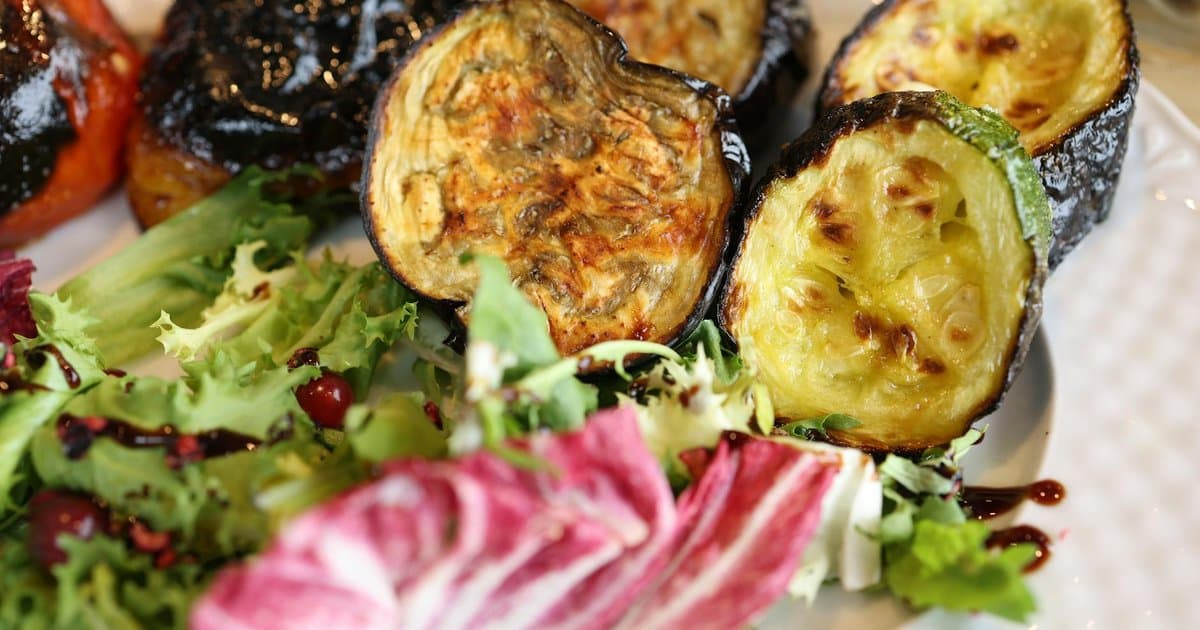
The second is heat, and the willingness to let it do real work. A home oven gets set to a safe temperature, the pan gets crowded, and the vegetables steam in their own moisture instead of browning. Restaurants crank the heat and give everything room. That browning, the dark caramelized edges, is not burning, it is flavor being created through a chemical reaction that only happens when the surface gets hot and dry enough. Crowding the pan is the most common mistake at home, because the trapped steam keeps the temperature too low to brown anything. Spread the vegetables in a single layer with space between them, use a hotter oven than feels right, and resist the urge to stir constantly.
The third is fat, used with a heavier hand than the diet version of cooking allows. A real coating of oil helps conduct heat, encourages browning, and carries flavor across the whole dish. Vegetables tossed in a stingy mist of spray come out dry and dull. This does not mean drowning them. It means enough oil that every piece is actually coated and glistening before it hits the pan. Many restaurants also finish vegetables with a little butter or a quality oil right at the end, off the heat, which adds richness that a leaner approach simply cannot match. Fat is not the enemy of a good vegetable, it is part of what makes one taste cooked rather than merely heated.
The last touch is acid, and it is the one home cooks forget most often. A squeeze of lemon, a splash of vinegar, or a sharp grated cheese added at the end cuts through richness and makes everything taste brighter and more alive. Think of how different roasted Brussels sprouts taste with a hit of lemon versus without. The acid does not announce itself, it just lifts the whole plate and keeps it from feeling flat and one-note. This is the move that separates food that tastes professionally finished from food that tastes like it stopped a step early. It takes five seconds and almost no one does it at home.
Two smaller habits tie the rest together and cost nothing. The first is drying your vegetables thoroughly before they ever touch oil, because surface water turns to steam and steam blocks the browning you are after. A quick pat with a towel after washing makes a visible difference in how dark the edges get. The second is cutting everything to a consistent size so it cooks evenly, since a pan of mixed large and small pieces leaves you with some burnt and some still raw. Restaurants are almost obsessive about uniform cuts for exactly this reason. Neither step takes any skill, only a minute of attention before the heat does its work.
Put these together and the gap closes fast. Salt early and well, give the vegetables real heat and real space, use enough fat to actually coat them, and finish with a little acid. None of it depends on better produce or a culinary degree. The reason restaurant vegetables taste better is not a secret being kept from you, it is a handful of small habits that get skipped in home kitchens out of caution or routine. Pick the two changes that feel easiest and start there, rather than trying to fix everything at once. Salt and heat alone will carry most of the improvement, and the rest is refinement you can add over time. Change two or three of them tonight and the difference on the plate will be obvious before you even sit down.