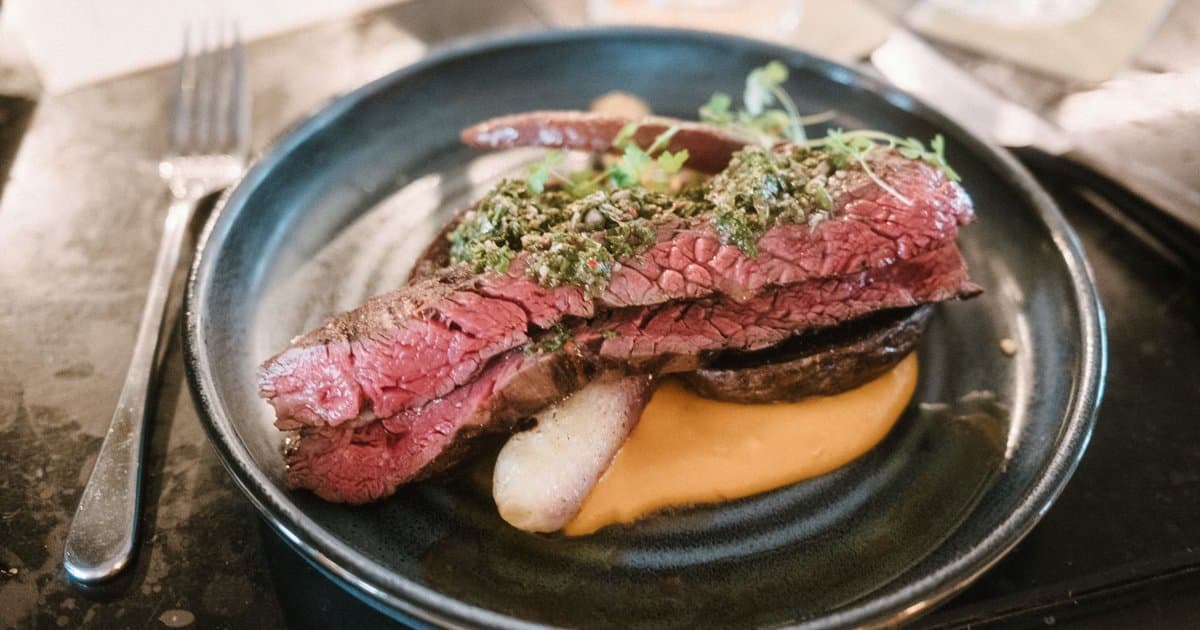
You order a steak at a good restaurant and it arrives with a deep brown crust, a juicy center, and a flavor your kitchen never quite hits. Then you buy a nice cut at the store, cook it carefully at home, and it comes out gray, a little tough, and somehow flat. The gap is real, but it is not because the chef is buying magic beef you cannot get. Most of what separates their steak from yours comes down to three ordinary techniques that any home cook can copy. None of them require special equipment or a culinary degree. Once you see what they are actually doing, you will stop blaming the meat and start fixing the method.
The first reason is heat, and it is the biggest one by far. A restaurant broiler or a well seasoned pan runs far hotter than the timid medium flame most people use at home. That intense heat drives the Maillard reaction, the browning that builds the crust and most of the flavor you love. To get there in your own kitchen, dry the surface of the steak with a paper towel first, because water is the enemy of browning and a wet steak steams instead of sears. Get a heavy pan, ideally cast iron, screaming hot before the meat ever touches it, and do not crowd the pan with too much at once. If your steak is sizzling gently rather than roaring, the heat is too low and you are already losing the crust.
The second reason is salt, and specifically when it goes on. Restaurants season aggressively and often well in advance, sometimes salting the surface an hour or more before cooking so the seasoning works its way in. That early salt pulls moisture to the surface, dissolves, and then gets reabsorbed, seasoning the meat all the way through rather than just sitting on top. Most home cooks use too little salt and add it at the last second, which leaves the inside bland no matter how good the crust looks. Kosher salt scattered generously, and earlier than feels comfortable, is one of the cheapest upgrades you can make. Let the steak sit out and lose its deep refrigerator chill too, because a cold center takes longer to cook and throws off your timing.
The third reason is what happens with fat and time at the end. In the last minute of cooking, many kitchens drop butter, garlic, and herbs into the pan and spoon that foaming fat over the steak again and again. That basting step layers on richness and helps the crust along, and it takes almost no skill to do. Just as important, they let the steak rest for several minutes after it leaves the heat so the juices settle back into the meat instead of running onto the cutting board. Cutting too soon is one of the most common home mistakes, and it drains the very juiciness you worked for. A pinch of flaky salt at the table and a knife that slices against the grain finish the job.
There is a quieter fourth factor worth knowing, even though the three above matter most. Restaurants tend to buy thicker cuts and higher grades than the thin steaks stacked at the average grocery store. A thicker steak, around an inch and a half, gives you room to build a dark crust on the outside while keeping the center where you want it. A thin cut overcooks before it ever browns, which is why it turns gray and tight. When you shop, reach for a well marbled ribeye or strip with visible threads of fat running through it, since that fat is where a lot of the flavor and tenderness live. You do not need the most expensive grade, but you do need enough thickness to work with.
Put those pieces together and the mystery mostly disappears. Dry the surface, use real heat, salt early and generously, baste with butter, and rest the meat before you cut it. Do that with a thick, well marbled cut and you will close most of the distance between your kitchen and a steakhouse in a single dinner. None of it is fancy, and none of it costs much beyond a little salt and a little patience. The steak was probably never the problem. The method was, and the method is completely within your control tonight.