Somewhere along the way, most of us learned to rinse raw chicken under the tap before cooking it. Maybe you watched a parent do it, or it just felt like the clean thing to do. Here is the uncomfortable truth. Rinsing raw chicken does not make it safer, and it very likely makes your kitchen more dangerous. Food safety experts have been trying to break people of this habit for years, and the science behind their warning is hard to argue with. If you rinse your chicken out of habit, this is worth reading before the next time you cook.
The habit comes from a reasonable place. For generations, washing meat was how cooks removed slime, bits of bone, or blood, and it felt like a basic step toward cleanliness. In many family kitchens and cultural traditions, rinsing poultry is simply how it has always been done, sometimes with a splash of vinegar or a squeeze of lemon. The instinct makes sense, because we wash our vegetables and our hands, so why not the chicken. The problem is that raw poultry is not like a dirty apple. What is on it cannot be rinsed away, and trying to do so creates a different problem entirely. Vinegar and lemon may change the smell or the surface a little, but they do not sterilize the meat either.
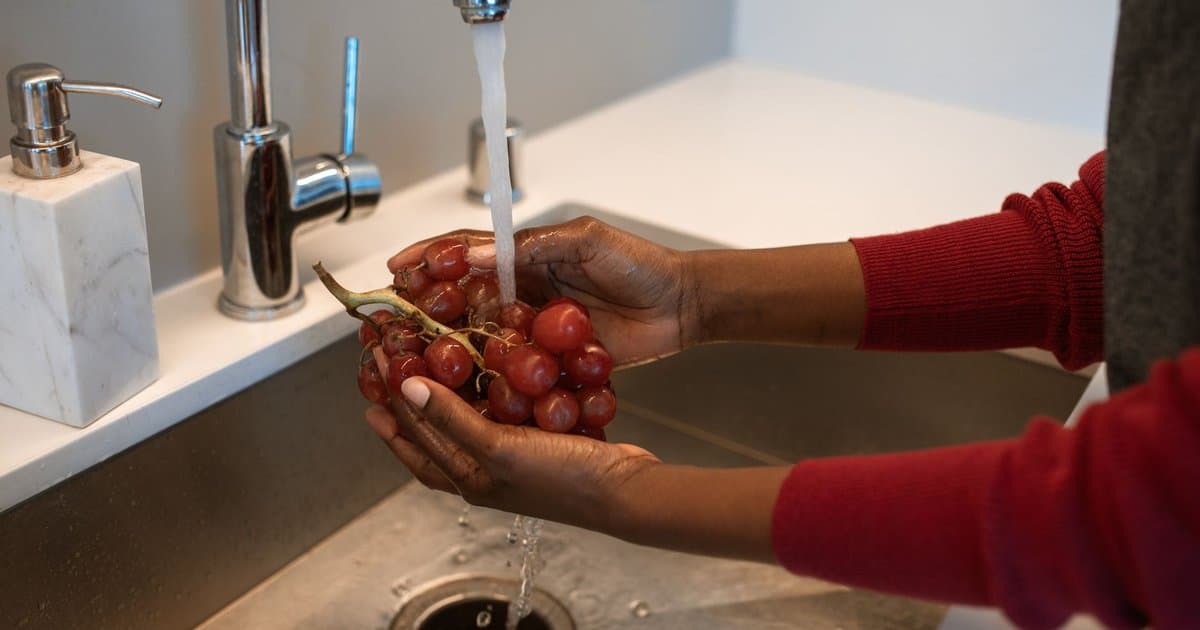
When water hits the surface of raw chicken, it does not just run off cleanly. It splashes, and those tiny droplets carry whatever bacteria are on the meat with them. Research using cameras and lab testing has shown that this spray can travel well beyond the sink, landing on countertops, faucet handles, nearby dishes, and any food sitting close by. Common bugs found on raw poultry, like Campylobacter and Salmonella, ride along in that mist. So instead of cleaning the chicken, you have effectively spread its bacteria across a three-foot zone around your sink. Everything that spray touches becomes a place you could pick the bacteria right back up. Any bowl of vegetables or plate of bread left on the counter nearby is suddenly in the line of fire.
Here is the key fact that makes rinsing pointless. The only thing that reliably kills the bacteria on raw chicken is heat. Cooking poultry to an internal temperature of 165 degrees Fahrenheit destroys Salmonella and Campylobacter completely, which is why a meat thermometer is the single most useful tool in this whole conversation. Water, no matter how long you run it, does not kill these organisms. It only moves them around your kitchen. So the rinse accomplishes nothing that cooking will not already do, while adding a contamination risk that cooking cannot undo once it is spread on your counter.
This is not one expert's opinion. Public health agencies, including the food safety arm of the federal government, explicitly advise against washing raw chicken for exactly these reasons. Their guidance is blunt, telling home cooks to skip the rinse and go straight to cooking. Studies that watched people prepare chicken in test kitchens found that those who washed it were far more likely to spread bacteria to their salad, their utensils, and the surfaces they touched afterward. The evidence has been consistent enough that the advice has not changed in years. The people whose entire job is preventing foodborne illness want you to stop. That consistency across agencies and studies is a strong signal that this is settled advice, not a passing trend.
So what should you actually do? If your chicken feels slimy or you want it drier for better browning, pat it with a paper towel and throw the towel away immediately, rather than rinsing. Cook it to 165 degrees and check with a thermometer instead of guessing. Keep raw poultry and its juices away from anything you will eat uncooked, using separate cutting boards when you can. And after handling it, wash your hands and any surface the raw meat touched with hot soapy water. Marinating or brining is fine, since that happens in a covered container, not under a running tap. Cleaning as you go, rather than letting raw juices sit, is the habit that keeps the whole process safe.
Breaking a lifelong habit is hard, especially one that feels like the responsible thing to do. But rinsing raw chicken is a rare case where the careful-seeming move is the riskier one. The water cannot clean what is actually on the meat, and the splashing spreads it exactly where you do not want it. Trust the heat instead, because your oven or pan does the real cleaning that the faucet only pretends to. It is a small change in routine that removes a risk you never needed to take on. Skip the rinse, reach for the thermometer, and keep your counters and your salad out of the splash zone. Your kitchen, and your stomach, will be better for it.