Somewhere along the way, fresh vegetables became the gold standard and frozen became the thing you settle for when you did not plan well. People stack their carts with fresh produce out of a sense of doing the right thing, then watch half of it wilt in a drawer before the week is over. The frozen aisle sits there the whole time, cheaper and longer lasting, wearing an undeserved reputation as the lazy choice. The honest truth is that frozen vegetables are often just as good as fresh, sometimes better, and for most households they solve more problems than they create. It is worth walking through why before you feel guilty about buying them again.
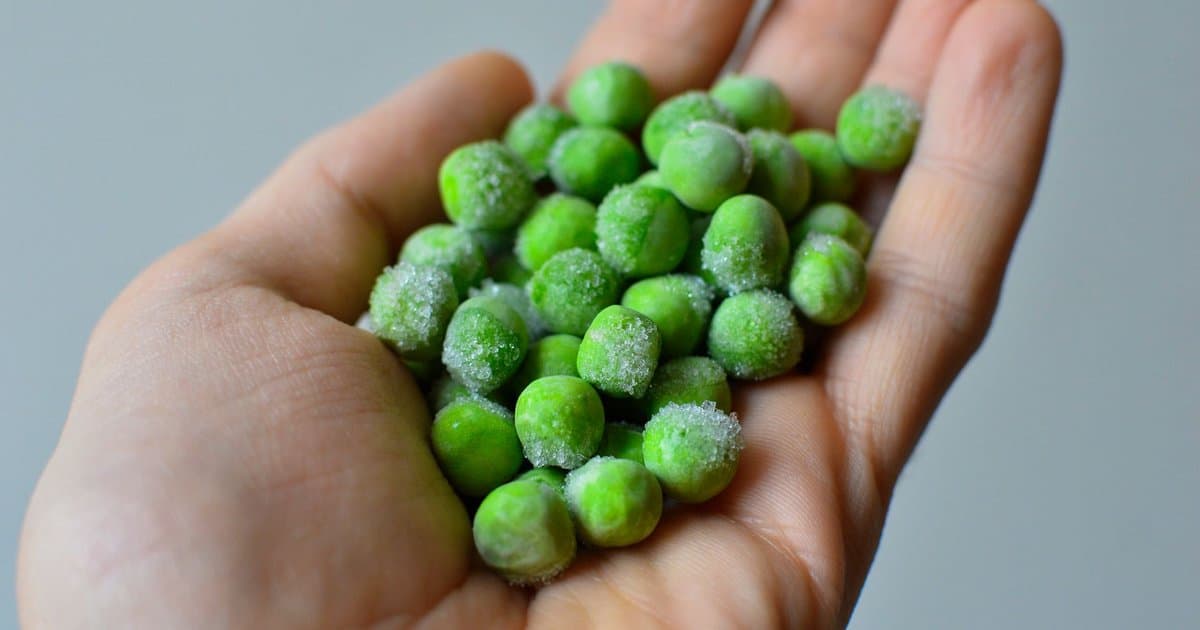
Start with the nutrition, because that is where the assumption is weakest. Vegetables begin losing nutrients the moment they are harvested, and a lot of the fresh produce in a grocery store was picked days or even weeks earlier, then shipped, stored, and displayed under lights while that clock kept running. Frozen vegetables are usually picked at peak ripeness and frozen within hours, which locks much of their nutritional value in place. Studies comparing the two have repeatedly found frozen holding its own against fresh, and in some cases coming out ahead, especially for produce that traveled a long way. The idea that fresh is automatically more nutritious does not survive a close look at how far your fresh actually traveled.
The cost difference is not small, and it compounds every week. Frozen vegetables are generally cheaper per serving than fresh, and they stay good for months instead of days, which means the price advantage is even larger than the sticker shows. Fresh produce carries a hidden tax that nobody puts on the receipt, and that tax is waste. When you throw out a slimy bag of spinach or a soft cucumber you never got to, you paid full price for zero food. Frozen lets you use exactly what you need and put the rest back in the freezer, so the money you spend actually turns into meals instead of trash. For a household watching every dollar, that difference adds up fast over a year.
Frozen also quietly removes the friction that keeps people from eating vegetables at all. There is no washing, no chopping, and no race against spoilage, which means the vegetables are still there and still good on the night you are tired and tempted to skip them. You can keep several kinds on hand without any of them going bad, so you always have options for a stir-fry, a soup, or a quick side. Portion control gets easier too, since you pour out what you want and seal the bag. When the healthy choice is also the convenient one, you make it far more often, and consistency matters more than any single perfect meal.
Fresh still wins in a few specific places, and pretending otherwise would be dishonest. If you want a crisp raw salad, sliced cucumbers, or vegetables where the exact texture is the whole point, fresh is the better tool, because freezing changes structure and softens things once they thaw. Certain delicate items simply do not hold up. The reasonable approach is not to pick a side and defend it forever. It is to buy fresh for the handful of uses where texture matters and lean on frozen for everything that gets cooked, which is most of what a normal week actually requires.
Getting the most out of frozen comes down to how you cook it, and this is where a lot of the bad reputation was earned. Boiling frozen vegetables into a gray, watery mush is what gave them their sad image, and it is completely avoidable. Roast them straight from frozen on a hot sheet pan, steam them just until tender, or drop them into soups and stir-fries near the end so they keep some bite. Season them like you mean it, with salt, acid, garlic, or a little fat, the same way you would treat fresh. Do not let them sit in water. Treated with a little care, they come out bright, tender, and genuinely good, not like a compromise at all.
So the next time you feel a small pang of guilt reaching for the frozen bag instead of the fresh bunch, let it go. You are not cutting a corner or feeding your family something lesser. You are choosing food that often holds more nutrition, costs less, wastes almost nothing, and actually gets eaten instead of thrown away. Keep fresh for the raw and delicate jobs, and let frozen carry the weeknight cooking without apology. The gold standard was never fresh or frozen in the first place. It was vegetables on the plate, and frozen makes that outcome a whole lot easier to reach.