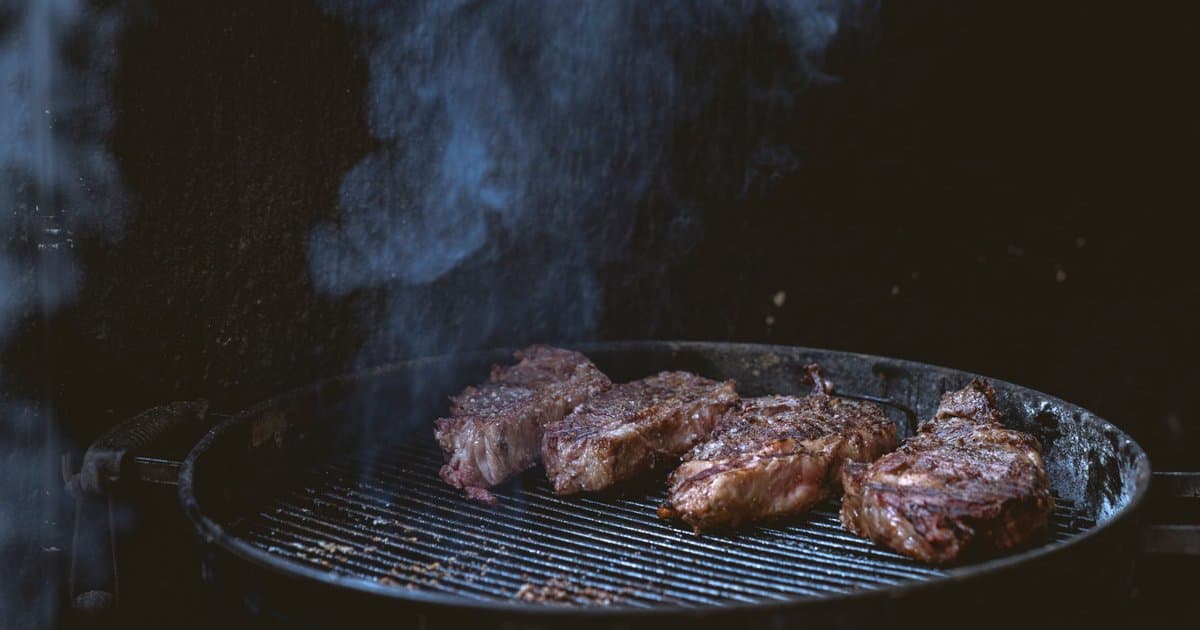
You spend good money on a steak, you cook it the way you have seen a hundred times, and it still comes out chewy and dry. It is one of the most frustrating things that can happen in a home kitchen, because it feels like you did everything right. The steak looked beautiful in the package. You seared it in a hot pan. You even let it rest, or you thought you did. And still, every bite fights back. The good news is that a tough steak is almost never a bad piece of meat. It is almost always one of four specific things, and each one is easy to fix once you know what to look for.
The first reason is the cut itself. Not all steaks are built the same, and the ones that are cheaper for a reason tend to come from parts of the animal that do a lot of work. Those muscles are packed with connective tissue that makes them flavorful but tough when you cook them fast and hot like a tender cut. A chuck steak or a round steak is not going to behave like a ribeye no matter how careful you are, because they are asking for a slow, low, moist method instead of a quick sear. If you want a steak you can cook fast in a pan and eat medium rare, you need to buy a cut suited for that. Match the cut to the method and half the toughness disappears before you even turn on the stove.
The second reason is temperature, and this is where most home cooks lose the steak without realizing it. Meat gets tougher and drier the longer it stays over high heat, because the muscle fibers tighten and squeeze out moisture as they climb past a certain point. If you cook a steak until it is well past medium, you are essentially wringing the water out of it. A cheap meat thermometer solves this problem completely, because it takes the guessing out of the equation. Pull the steak a few degrees before your target and let the carryover heat finish it. Cooking by the clock or by poking it with a finger is how a good steak turns into shoe leather.
The third reason is resting, or the lack of it. When a steak comes off the heat, the juices inside are hot and pushed toward the center of the meat. If you cut into it right away, all of that liquid runs out onto the cutting board instead of staying in the steak where you want it. The result tastes dry even if you cooked it to the perfect temperature, because you lost the moisture in the first thirty seconds. Letting the steak sit for five to ten minutes gives the juices time to settle back through the meat evenly. It feels like a long time when you are hungry, but it is the difference between juicy and disappointing.
The fourth reason is how you slice it, and almost nobody thinks about this one. Every piece of meat has a grain, which is the direction the muscle fibers run, and you can usually see it as long lines across the surface. If you cut along those lines, you leave the fibers long, and every bite forces your teeth to do the work of breaking them down. If you cut across the grain instead, you shorten those fibers into little segments that fall apart easily in your mouth. The same exact steak can feel tough or tender depending entirely on the angle of your knife. Look for the lines, turn your blade to cut across them, and you make even a chewier cut far more pleasant to eat.
Put those four together and you have a simple checklist that fixes the problem before it starts. Buy a cut that matches how you plan to cook it, so you are not asking a tough muscle to act tender. Use a thermometer and pull the steak before it overcooks, so you keep the moisture inside. Rest it long enough for the juices to redistribute, so the first cut does not drain it dry. And slice across the grain, so the texture works with you instead of against you. None of this requires special equipment or years of practice. It just requires knowing which of the four steps you have been skipping.
The reason this matters is that most people blame themselves or blame the meat when a steak turns out badly, and neither is usually the real problem. Cooking a good steak at home is not about talent or an expensive pan. It is about understanding a few basic rules of how muscle and heat and moisture behave. Once you do, you stop wasting money on ruined dinners and start getting restaurant results in your own kitchen, from cuts you can actually afford.