Almost everyone has done the same thing with a fresh loaf. You buy it soft and springy, and within a couple of days it has turned firm, crumbly, and sad. The natural assumption is that the bread dried out, lost its moisture to the air, and that the fix is to seal it up tight and store it somewhere cool. That instinct is half right and half wrong, and the wrong half is the reason so many people unknowingly speed up the very thing they are trying to prevent. Stale bread and dry bread are not the same problem. Once you understand the difference, the way you store a loaf starts to make a lot more sense.
The real culprit has a name, and food scientists call it starch retrogradation. When bread bakes, the heat and water cause the starch granules in the flour to swell and open up in a process called gelatinization. That is part of what gives fresh bread its soft, tender structure. The trouble is that this state is not stable. As the bread cools and sits, the starch molecules slowly begin to recrystallize and pull back into a more ordered, rigid form. As they do, they squeeze out some of the water that was trapped inside them. The bread is not necessarily losing much water to the outside air at first. The water is migrating around inside the loaf and getting locked away where your mouth cannot sense it. That is why stale bread can still weigh almost the same as fresh bread and yet feel completely different.
Here is the part that surprises people. Retrogradation does not happen fastest in a warm kitchen. It happens fastest at refrigerator temperatures, in the range just above freezing. The fridge, the place most of us reach for to keep things fresh, is close to the worst possible spot for a loaf of bread. A study going back decades found that bread can stale several times faster in the fridge than it does at room temperature. So the person who carefully wraps their loaf and tucks it into the refrigerator to protect it is often the person whose bread turns firm and chalky the quickest. They did everything that feels responsible and got the opposite of what they wanted, because the logic that works for milk and vegetables works against bread.
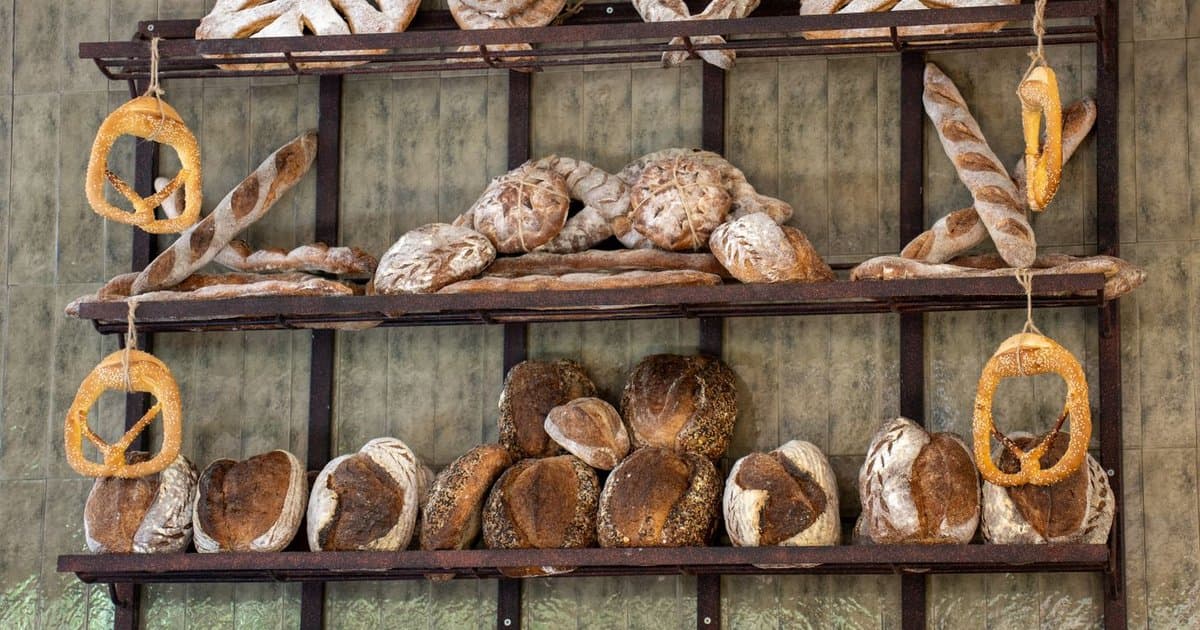
So what should you actually do. For bread you plan to eat within a few days, the counter is your friend, not your enemy. Keep it in a paper bag or a bread box where it can breathe a little, or wrap it loosely so the crust does not turn to leather. The goal at room temperature is to slow moisture loss from the surface without sealing the loaf so tight that the crust goes soft and the inside gets gummy. A cut loaf stales faster than a whole one because more surface is exposed, so store it cut side down or keep the cut end covered. This is low effort and it buys you the freshness window most loaves were built for.
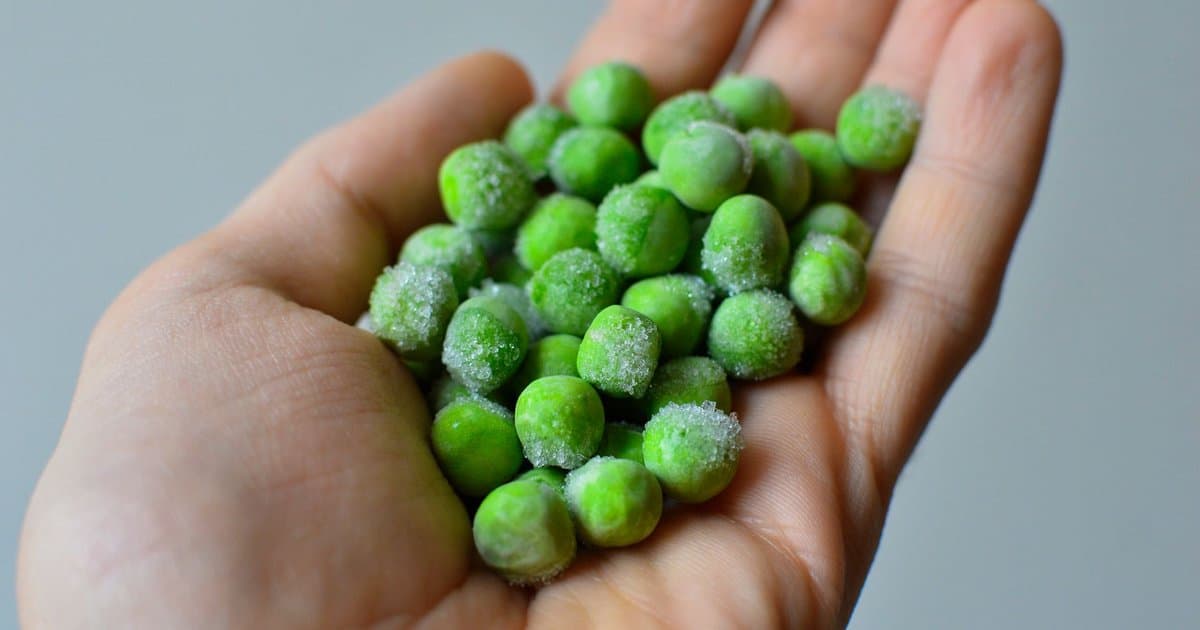
For bread you cannot finish in a few days, the answer is the freezer, not the fridge, and this is where the science actually works in your favor. Freezing pushes the bread past the temperature range where retrogradation races along, and it essentially pauses the staling process rather than accelerating it. Slice the loaf first so you can pull out exactly what you need without thawing the whole thing. Wrap it well to keep freezer burn off the surface, since that is real moisture loss to dry freezer air and a different problem from staling. When you want a piece, toast it straight from frozen or let it come back to room temperature. You will get something far closer to fresh than anything that sat in the fridge for the same number of days.
There is one more trick worth knowing, because it explains why day-old bread can taste fresh again. Retrogradation is partly reversible with heat. Warming stale bread, whether in a toaster, an oven, or even a quick pass that adds a little steam, can temporarily melt those recrystallized starches back toward their softer state. That is the whole reason a stale roll comes back to life after a few minutes in a warm oven and why yesterday's bread makes such good toast. The effect does not last once the bread cools again, so reheat only what you are about to eat. It is a rescue, not a reset.
None of this requires special equipment or much extra time. It just requires storing bread according to what is really happening inside it rather than what feels intuitive. Keep what you will eat soon on the counter, freeze the rest, and skip the fridge entirely. Do that, and the loaf you bought soft will still be worth eating long after the point where it usually would have let you down.