The egg aisle looks like a test you did not study for. One carton says cage-free, another says free-range, a third says pasture-raised, and they all cost different amounts with cheerful pictures of red barns and green grass. Most people grab one, feel vaguely good or vaguely guilty, and move on. The trouble is that a lot of those friendly words mean far less than they sound like they do. Some are backed by real standards, and others are close to marketing with nothing behind them. Once you know which is which, the aisle gets a lot easier to read.
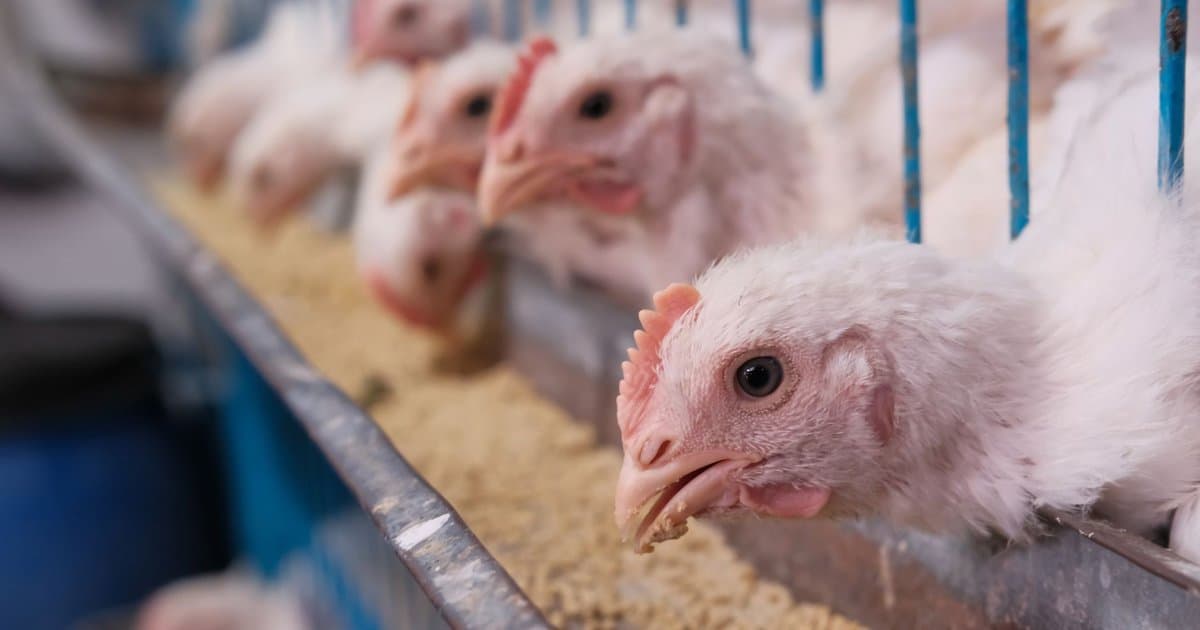
Start with cage-free, since it sounds like a clear win and is more complicated than it seems. The label means the hens are not kept in the small stacked cages that were long standard in the industry. It does not mean the birds go outside or roam a field, and it does not promise much space at all. In practice, cage-free hens often live packed together indoors in large barns, free to walk around but still crowded. It is a real step up from a cage in terms of movement, and that counts for something. Just do not picture a hen strolling through grass, because that is not what the word guarantees.
Free-range sounds like the next level up, and technically it is, but the bar is lower than you would guess. The label requires that hens have some access to the outdoors, which sounds great until you learn how loosely that is defined. The rule does not spell out how much space, how long, or what the outdoor area even has to be. In some operations that access is a small door leading to a modest covered porch that many birds never actually use. So free-range can mean genuine outdoor time, or it can mean a technicality that satisfies the label and little else. The word tells you a door exists, not that the hens live the life the picture suggests.
Pasture-raised is the term that tends to mean the most, though it comes with a catch. When it is backed by a third-party certification, it usually points to hens with real, regular access to open outdoor space and room to forage the way birds naturally do. The catch is that pasture-raised on its own is not tightly regulated, so the promise leans heavily on who is verifying it. That is why the certifier matters more than the phrase itself. Seals from independent programs like Certified Humane or Animal Welfare Approved carry defined standards and actual inspections behind them. Those stamps are the difference between a real claim and a nice-sounding one.
Then there are the labels that carry almost no weight at all. Natural means essentially nothing on eggs, since all eggs are natural by any normal definition of the word. Farm fresh is pure marketing with no standard behind it whatsoever. Hormone-free is technically true but misleading, because hormones are not allowed in egg production for any hen, so every carton could honestly say it. Even the color throws people off, since brown eggs are not healthier or more natural than white ones. The shell color simply comes down to the breed of the hen, and it has nothing to do with nutrition or how the bird was raised.
So where does that leave you at the cooler door? If how the hens are treated matters to you, look for a specific third-party certification rather than a warm-sounding phrase on the front of the box. If you mainly care about taste and cost, know that the nutritional difference between most of these eggs is smaller than the price gap suggests. Read the seal, not the adjective, and let the painted barn be the last thing you trust. None of this is about guilt, and there is no single right carton for everyone. It is about knowing what you are actually paying for, so the choice belongs to you instead of the label.