For a lot of people, rinsing raw chicken under the tap is not even a decision. It is just what you do, learned from watching a parent or grandparent do it in the same sink for years. The water runs, the bird goes under it, and it feels like you are washing away something you would not want to eat. The habit is so common and so old that questioning it can feel almost rude. But this is one of those kitchen traditions that food safety experts have been trying to end for a long time. Rinsing your chicken does not make it safer, and there is a strong case that it does the opposite.
The logic behind the rinse makes sense on the surface. Raw chicken is slick, sometimes smells strong, and carries bacteria that can make you sick, so running it under water feels like cleaning it. People assume the rinse strips away germs the same way it strips away visible residue. If washing your hands removes bacteria, washing the chicken should too, or so the thinking goes. It seems like a basic, responsible step before cooking anything. The trouble is that the germs on raw poultry do not behave the way that mental picture suggests, and water is the wrong tool for the job.
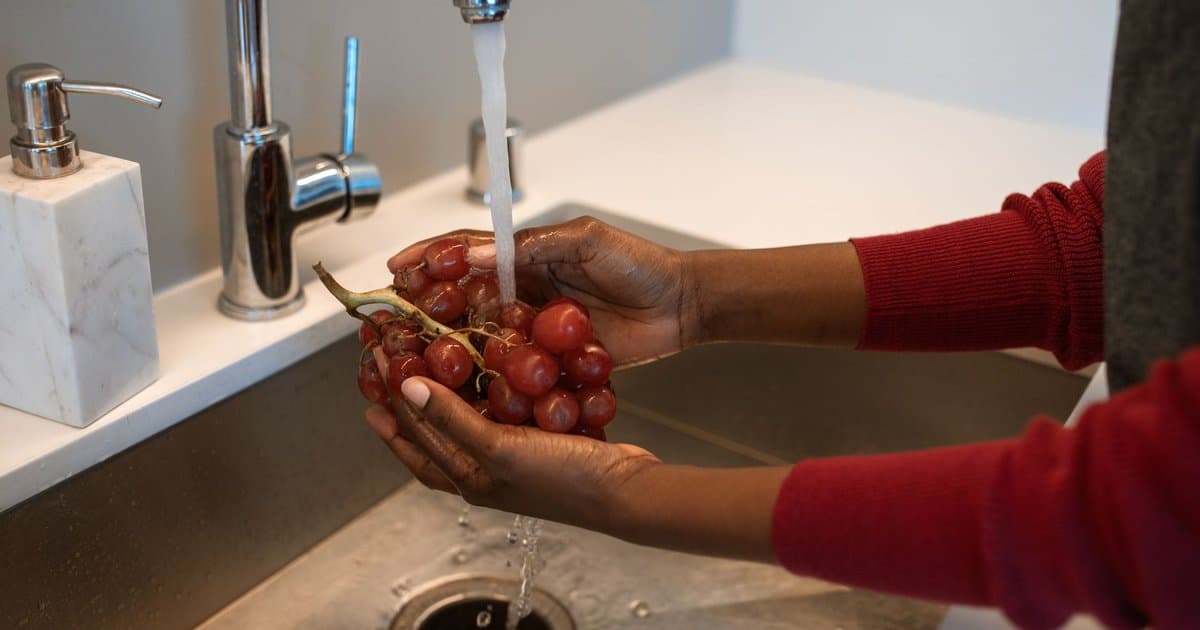
Here is what the rinse actually does. The bacteria on raw chicken, including the ones responsible for a lot of food poisoning, cling tightly to the meat and are not washed off by a stream of water. What the water does instead is splash. Research from food safety agencies has shown that rinsing raw poultry can spread bacteria up to about three feet around the sink, onto counters, utensils, dish towels, and any food sitting nearby. So instead of cleaning the chicken, you are launching contamination across your kitchen. The United States Department of Agriculture has advised against washing raw poultry for exactly this reason. You are not removing the risk, you are spreading it around.
The part that actually makes chicken safe has nothing to do with the sink at all. Heat is what kills the bacteria, and it does so reliably once the meat reaches the right internal temperature. Cooking chicken to 165 degrees Fahrenheit all the way through destroys the germs that rinsing never could touch. That single step does the entire job that people wrongly hand to washing. A thermometer in the thickest part of the meat tells you the truth better than color or cooking time ever will. If the inside hits temperature, the bacteria are gone, whether or not you ever ran it under the tap.
So what should you do instead of rinsing? If you want the surface dry for better browning, pat the chicken with a paper towel and throw the towel away immediately. Keep raw poultry on its own cutting board, well away from anything you will eat uncooked, like salad or fruit. Wash your hands, the board, the knife, and any surface the raw meat touched with hot soapy water. Then cook to temperature and check it with a thermometer before serving. None of these steps involve the faucet, and together they do far more than a rinse ever pretended to do.
Breaking a habit this old can feel strange, especially when someone you love taught it to you with the best intentions. It helps to remember that the goal was always a safe, clean meal, and the rinse simply does not deliver that. The science on this is settled enough that the people whose whole job is food safety have been clear about it for years now. Skipping the rinse is not lazy and it is not reckless. It is the safer choice, backed by how bacteria actually behave in a kitchen. Keep the parts of the tradition that matter, and let the sink step go.