Most students study by reading the material again and again. It feels productive, because each pass makes the words seem more familiar. That familiarity fools you into thinking you have actually learned the content. Then the test arrives and the information will not come back when you need it. Decades of research point to a better method that most people ignore. If you want to remember something, you should practice pulling it out of your head, not pushing it back in. Psychologists call this the testing effect, and it is one of the sturdiest findings in learning science.
The clearest proof comes from a well known set of experiments. Researchers had students study a passage, then split them into two groups. One group kept rereading the material several more times. The other group read it once and then tried to recall it from memory. Right after studying, the rereaders felt more confident about what they knew. But days later, when the real test came, the recall group beat them soundly. Trying to remember had locked the material in far more deeply than reading again ever could.
The reason comes down to what your brain does during recall. When you reread, you skim along a path that already feels smooth and easy. When you force yourself to remember, your brain has to rebuild the idea from scratch. That effort of reconstruction strengthens the memory and makes it easier to find next time. Each successful pull acts like a workout for that one specific piece of knowledge. Reading is passive and comfortable, while recall is active and genuinely hard. The discomfort is the point, because the struggle is what makes it stick.
Researchers have a phrase for this, the idea of a desirable difficulty. It means that some struggle during study actually helps you learn, even when it feels worse. Easy studying produces quick confidence and weak memory that fades fast. Harder studying produces frustration now and much stronger memory later. This is why your feelings about a study session are a poor guide to real learning. The methods that feel smoothest are often the least effective in the end. The ones that feel clumsy and slow tend to pay off on test day.
Testing works even better when you spread it out over time. Cramming all your recall into one long night gives you a short lived boost. Spacing the same practice across several days forces your brain to work harder each time. That extra effort of reaching back deepens the memory even further. A quick self quiz on Monday, again on Wednesday, and again on Friday beats one marathon. The gaps let you almost forget, and pulling the memory back is where the learning lives. Difficulty and time work together in your favor.
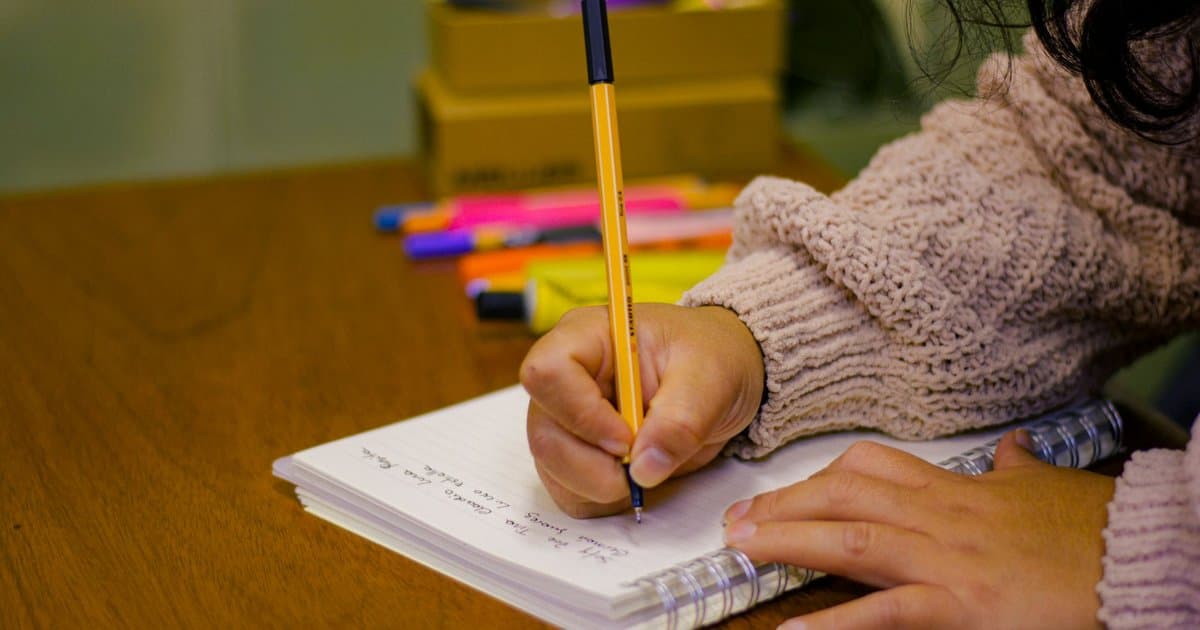
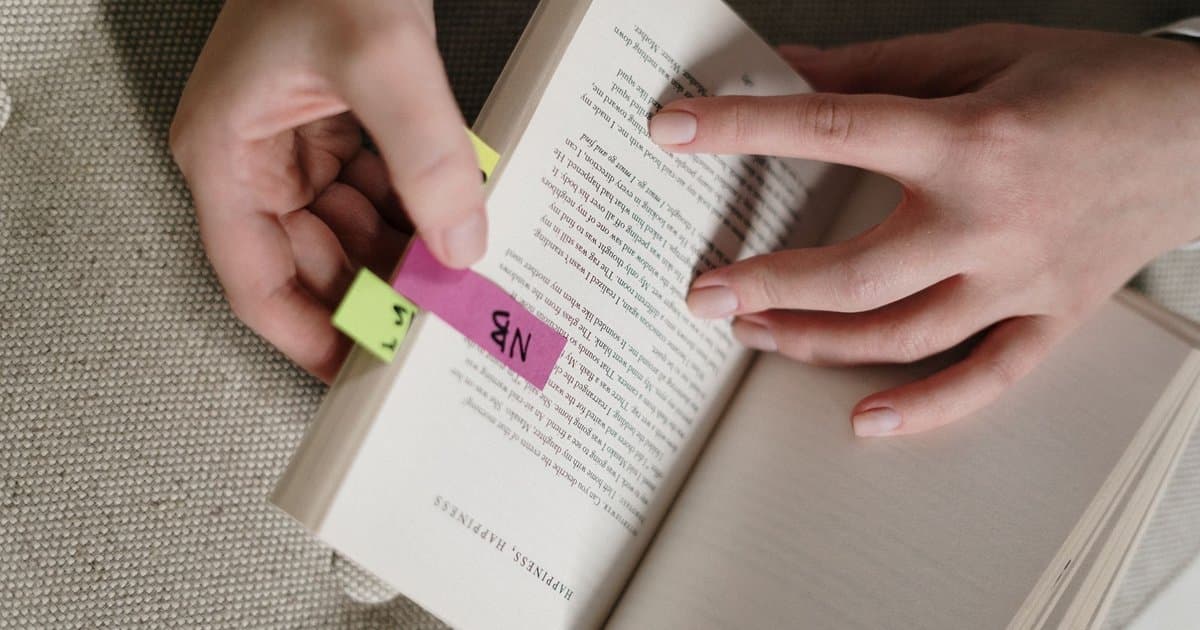
Putting this to work does not require any special tools or apps. Close the book and write down everything you can recall about a topic. Make flash cards and answer them out loud before you flip to check. Turn your notes into questions instead of painting them in bright highlighter. Explain the idea to another person, or to an empty room, without looking. Take practice tests whenever you can find them or build your own. Each of these forces retrieval, which is the whole engine behind the effect.
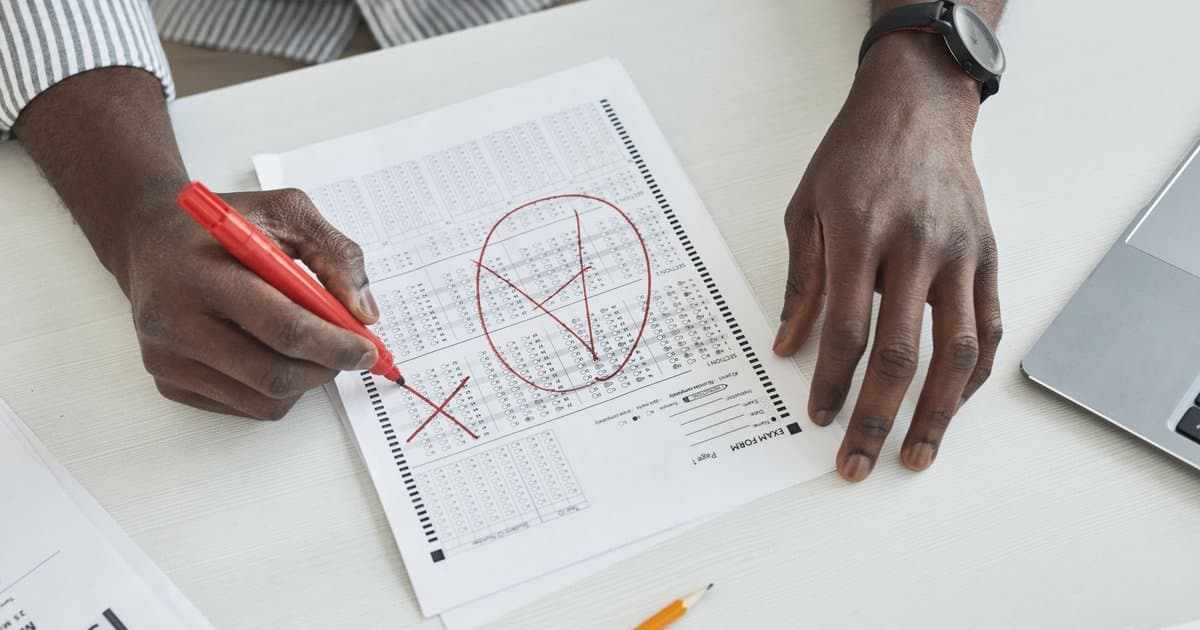
If this method is so strong, you might wonder why classrooms lean on rereading. Part of the answer is that recall feels unpleasant, so students avoid it on their own. Highlighting and rereading are soothing and hand you a false sense of progress. Tests also carry a heavy load of stress, so people treat them only as measurement. In truth, a test is not just a way to measure what you know. The act of testing is itself one of the best ways to learn the material. Schools are slowly starting to catch up to that idea.
So the study habit you trust the most may be the one holding you back. Reading your notes a fifth time feels safe and smart, and it mostly wastes time. The harder path of closing the book and testing yourself builds lasting memory. It will feel worse while you do it, and that feeling is a sign it works. Space that practice across days and the effect only grows stronger. Treat every review as a chance to recall, not just a chance to reread. Your future self, sitting in the exam, will thank you for it.