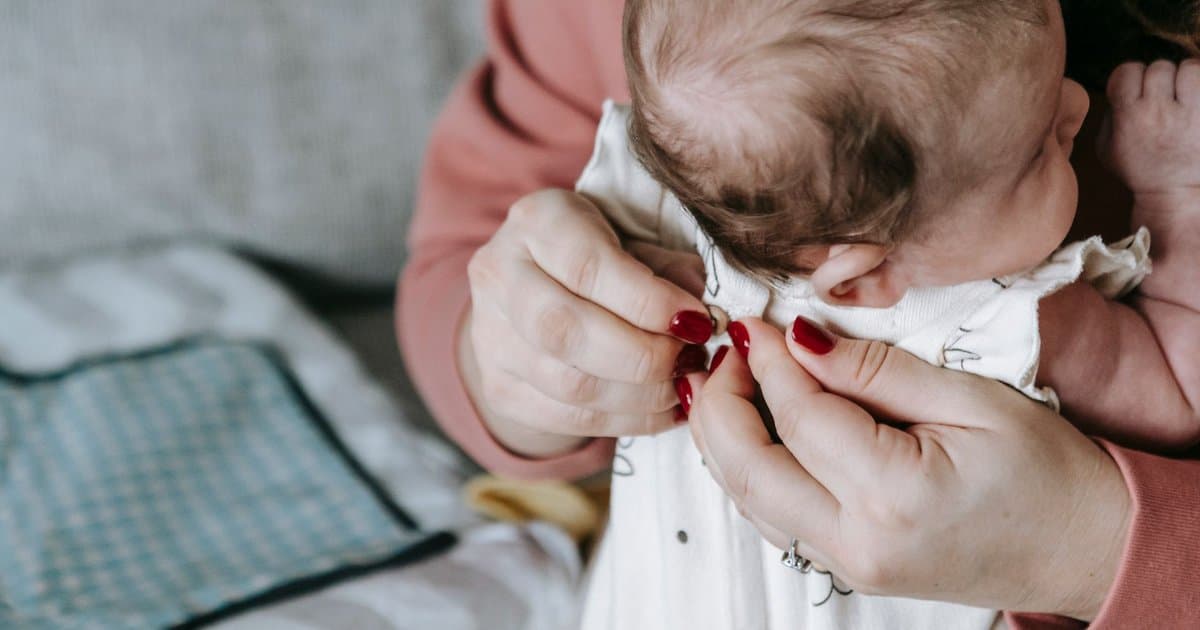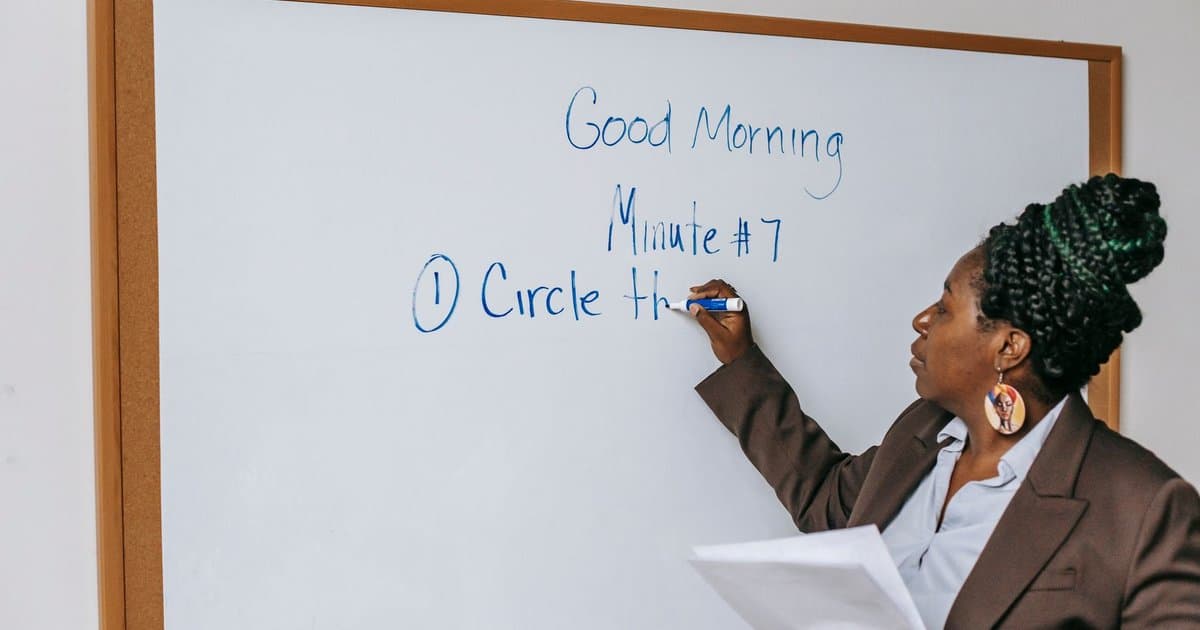
Watch a parent at a playground for ten minutes and you will hear it over and over. Good job. Good job climbing. Good job sharing. You are so smart. It comes out automatically, almost like breathing, and it comes from a good place, because we want our kids to feel encouraged and capable. But decades of research on how children respond to praise reveal something most parents never suspect. The kind of praise we reach for most easily can quietly teach a child to do less, risk less, and crumble faster when things get hard. The words feel like support. The lesson underneath them is sometimes the opposite.
The clearest finding comes from the work of psychologist Carol Dweck and the researchers who followed her. In study after study, children praised for being smart behaved very differently from children praised for working hard. When kids were told they were intelligent after solving a problem, they tended to pick easier tasks afterward, because they had learned that success was about a trait they either had or did not. Taking on something hard risked exposing that they were not as smart as the praise said. Kids praised for their effort, on the other hand, chose harder challenges and stuck with them longer, because they had learned that success came from something they controlled. Same children, same ability, completely different behavior, all from one word.
The reason this happens sits deep in how children build their sense of who they are. When you praise a fixed quality like being smart or talented or a natural, the child absorbs the idea that their worth rests on that quality being true. So when they hit something difficult, which every child eventually does, the struggle does not feel like a normal part of learning. It feels like evidence that the label was wrong. The safest response is to retreat to things they already do well, where the label stays intact. This is how a bright, capable kid can slowly turn into one who avoids anything they might not immediately ace, and the parents are left wondering where the curiosity went.
The reveal here is not that praise is bad. Children need encouragement, and the answer is not to go cold and withhold it. The reveal is that what you praise teaches the child what you value, and that lesson sticks far longer than the moment. If you praise the outcome and the trait, the child learns to chase looking good. If you praise the process, the effort, the strategy, the persistence, and the willingness to try something hard, the child learns that those are the things that matter, and those are the things they can actually grow. The shift is small in words and large in effect, and it costs nothing but attention.
In practice it sounds like noticing what the child actually did rather than labeling who they are. Instead of you are so smart, you can say you really kept working on that even when it got tricky. Instead of good job, you can say I noticed you tried three different ways before it worked. When something comes out well, ask how they did it, which signals that the method is what counts. And when they fail, which is the most important moment of all, you resist the urge to rescue or to say it does not matter, and instead treat it as ordinary. That was hard, what do you want to try next time. The message is that struggle is normal and effort is the lever, not that they are either gifted or they are not.
This does not mean weighing every sentence or turning encouragement into a science experiment. Kids are resilient, and one offhand good job will not undo a childhood. The point is the pattern, the steady drumbeat of what gets noticed and named in your home over years. Children become what we consistently pay attention to. If the attention lands on effort, persistence, and the courage to attempt hard things, you raise a kid who reaches for challenges. If it lands only on results and natural ability, you can accidentally raise one who plays it safe to protect an image. The words are almost free. The habits they build are not, and they last long after the playground.