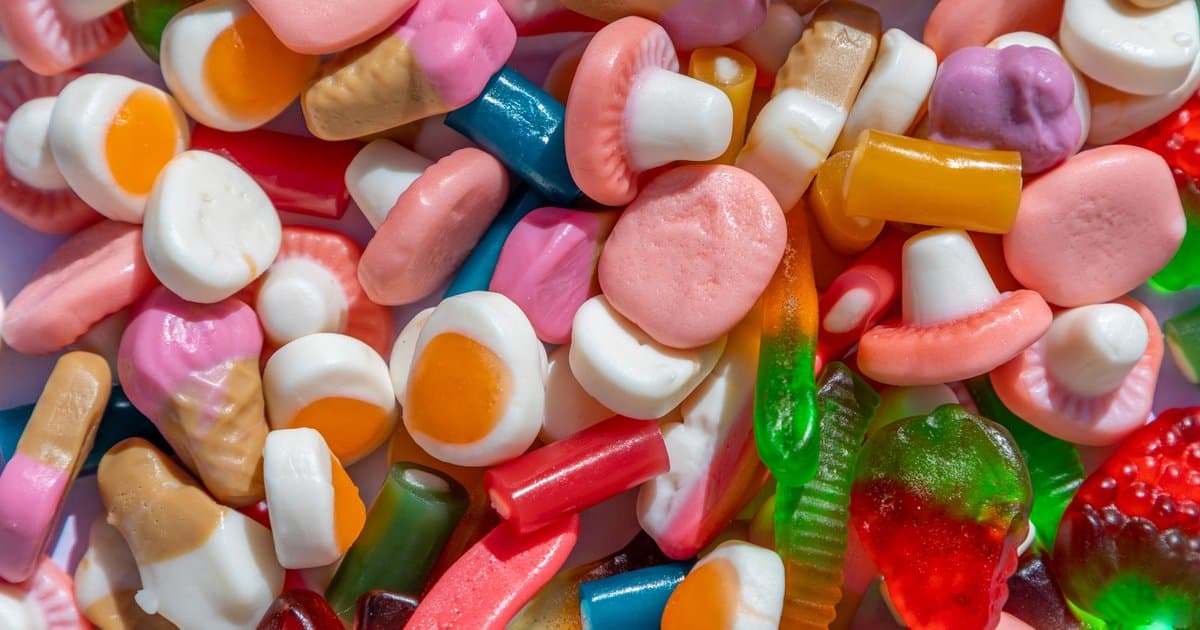
Every parent has watched it happen. The birthday cake gets cut, the kids tear around the room, and someone says it, the sugar is kicking in. The belief that sugar turns children into a whirlwind is one of the most repeated ideas in parenting. It feels obvious because the timing lines up so neatly. The trouble is that when researchers actually tested it, the effect vanished. Sugar, it turns out, is not the reason your kids are bouncing off the walls.
This is not a single study or a lone opinion. Scientists have run many controlled trials feeding children either sugar or a sugar free substitute, with neither the kids nor the parents knowing which was which. Across those trials, the children who got sugar did not behave any differently from the ones who did not. A major review published in a leading medical journal in the 1990s pooled the results and reached the same conclusion. Sugar did not affect their behavior, and it did not affect how well they could think or focus. For a myth this strong, the evidence against it is remarkably clear.
The most telling experiment did not study the children at all. Researchers took a group of mothers and told some of them that their child had just been given a big dose of sugar. In reality, every child got a sugar free drink. The mothers who believed their kids were sugared up rated their children as far more hyperactive than the others did. They watched the same calm behavior and saw chaos, because they expected chaos. The sugar high, in that room, lived entirely in the minds of the adults.
So why does the pattern feel so real at home? Because the moments we blame on sugar come wrapped in everything else that winds kids up. Cake shows up at parties, holidays, and celebrations, the exact settings full of noise, crowds, and excitement. A child at a birthday party is overstimulated, off schedule, and surrounded by friends. That would rev up any kid, dessert or not. We hand the credit to the sugar because it is easy to see, while the real drivers are harder to name.
Our memory then locks the belief in place. When a child acts wild after sweets, we notice it and file it away as proof. When the same child eats candy and stays calm, we forget it ever happened. That habit, counting the hits and ignoring the misses, is how a myth survives decades of contrary evidence. The story is simple, it comes with a clear villain, and it hands parents an easy explanation. Simple and satisfying is a powerful combination, even when it is wrong. The belief keeps getting passed down because it feels earned.
None of this makes sugar a health food. There are solid reasons to keep an eye on how much of it kids eat. Too much added sugar crowds out better foods, feeds tooth decay, and sets taste habits that are hard to shake later. A diet heavy in sweets and low in real nutrition affects energy and mood over the long run. Those are real concerns worth acting on. They just have nothing to do with a twenty minute burst of hyperactivity after a cupcake.
Believing the myth carries a small cost of its own. When we pin behavior on sugar, we stop looking for the actual cause. The kid melting down may be tired, hungry for real food, overstimulated, or simply done with a long day. Blaming the cookie lets everyone skip the harder question of what the child actually needs. It can also turn food into a battle, loading treats with a guilt they do not deserve. Seeing the real triggers helps you respond to the child in front of you.
The next time the room erupts after dessert, look past the sugar. Ask what else is going on, the late hour, the crowd, the broken routine, the sheer thrill of the day. Those are the triggers you can actually work with, and none of them come in a wrapper. Let kids enjoy the cake without the story that it will possess them. The wild energy is real, and it is worth understanding. It just was never the sugar doing the talking.