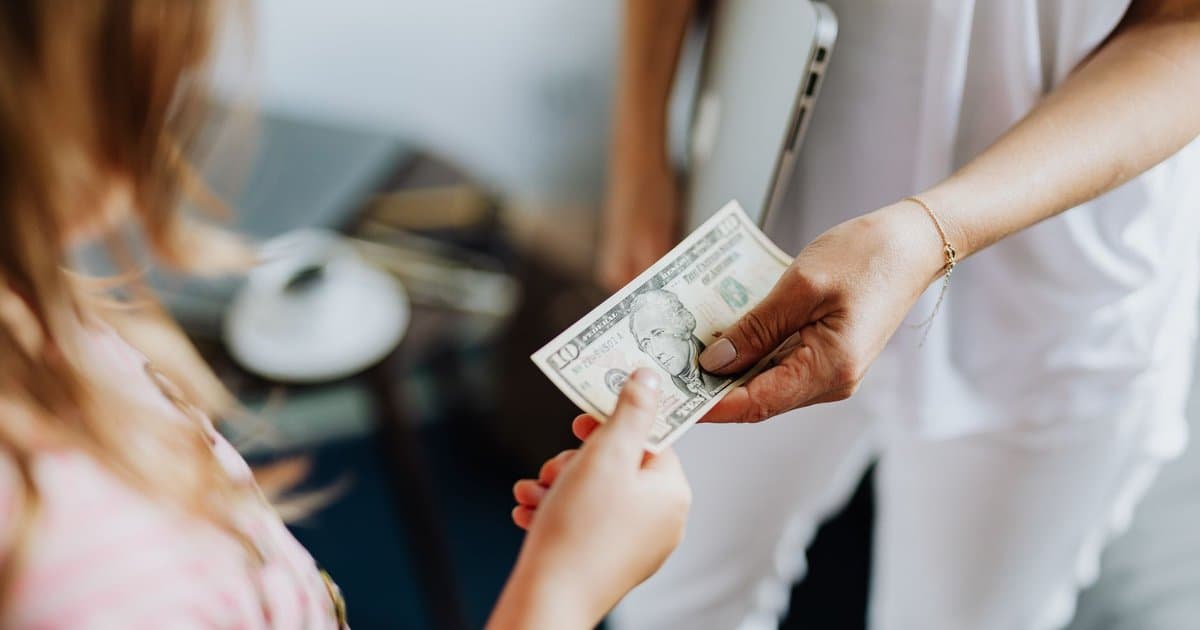
It sounds like plain common sense. Your kid does not read enough, so you offer a reward. A dollar a book, a pizza for hitting a goal, a new toy waiting at the finish line. Behavior you want, prize attached, problem solved. Schools run programs like this and parents copy them at home. The trouble is that the research on rewards points the other way, and the reason is worth understanding before you set up your own system.
Psychologists split motivation into two kinds. Intrinsic motivation is doing something because the thing itself is rewarding. A kid who reads because a story pulls her in has exactly that. Extrinsic motivation is doing something for an outside payoff, like money or a treat. Both can get a child to open a book tonight. But they are not equal, and swapping one for the other can quietly change how a kid feels about reading itself.
There is a well known experiment that shows the risk. Researchers watched preschoolers who already loved to draw on their own. They split the children into groups. Some were promised a fancy certificate for drawing, some got a surprise reward, and some got nothing at all. Later, the children who had been promised the prize drew noticeably less on their own than the others. The reward had turned play into work, and once the prize was gone, so was much of the interest.
This has a name. It is called the overjustification effect. The idea is that when you pay someone for something they already enjoy, they begin to explain their own behavior differently. The child stops thinking I read because I like it and starts thinking I read because I get paid. That shift feels small, but it moves the motivation from inside the child to outside. And anything sitting outside the child is now something you have to keep supplying forever.
The catch shows up the moment the rewards end. A summer program pays a child per book, the kid reads all summer, and then September comes and the payments stop. Reading often drops right along with them, sometimes below where it started. The child learned that books are a chore you get paid for, not a thing you would ever choose. You did not build a reader that summer. You rented one, and the lease is now up.
Rewards also warp what kids choose to read. When the prize is tied to the number of books, a smart child does the obvious thing and picks the shortest, easiest ones. The goal quietly shifts from enjoying a story to clearing the bar for cash. Thick books and hard books suddenly become bad deals to avoid. You end up rewarding speed and volume, which is almost the opposite of what you wanted, which is a kid who will sit patiently with something challenging.
This is not a blanket rule against all encouragement. Rewards can help start a behavior a child truly dislikes or has never once tried. If reading is pure misery right now, a small nudge can get the flywheel turning at all. The danger is specific and narrow. It is paying for something a child already likes, or already might grow to like, which can smother the very interest you were hoping to build. The trick is honestly knowing which situation you are in.
So what works better instead? Read together, and let your child actually see you reading for your own pleasure. Let them pick their own books, even the silly ones, because choice fuels the kind of motivation that lasts. Talk about the stories with them instead of counting the pages. Keep books around the house and make the time for them easy to find. The goal is not to bribe a kid to the last page. It is to get out of the way of a habit that, given room, tends to grow on its own.