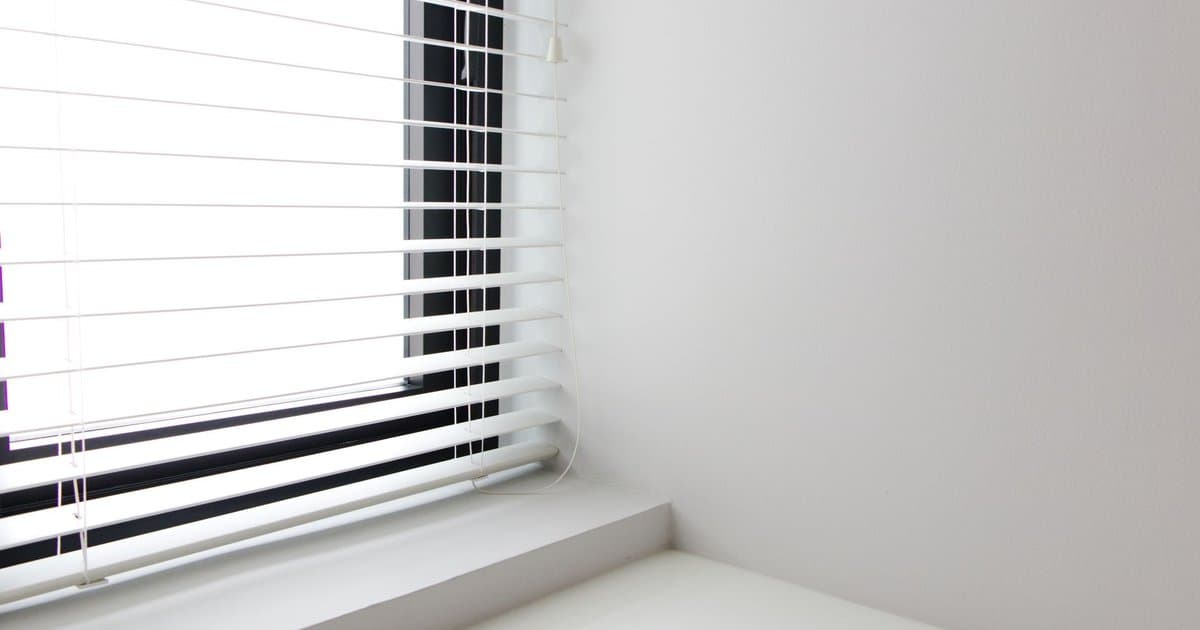
There is a hazard in millions of family homes that most parents walk past every single day. It hangs beside the windows in the form of a looped or dangling blind cord. Safety experts have flagged window covering cords for years as one of the most serious hidden dangers for young children. The reason it stays hidden is that it looks completely ordinary, part of the furniture in almost every room. Parents childproof outlets and cabinets and stairs, then leave a cord hanging within easy reach of a crib. This is the kind of risk that hides in plain sight precisely because it is so familiar.
The way these accidents happen is simple and terrible. A young child sees a dangling cord, grabs it, and either wraps it around the neck or slips through a loop while playing. A pull cord that hangs low is a hazard, and the inner cords that run through some blinds can form loops too. Once a small child is tangled, they usually cannot understand how to back out of it. Their muscles are not strong enough and their coordination is not developed enough to free themselves. In the wrong position, the weight of their own body tightens the cord. What began as curiosity turns dangerous within moments.
The children most at risk are the youngest ones, roughly between seven months and four years old. That is the window when a child can pull up to stand and reach for things but cannot reason through a problem. A crib or bed pushed against a window puts a sleeping child right beside the cords. So does a couch, a changing table, or a bookshelf a toddler can climb. Even a chair left near a window for an afternoon can give a small child the boost they need. The hazard is not only about where the cords are, it is about what a child can reach.
Part of what makes this danger so cruel is how quiet it is. Choking often comes with coughing or a struggle a parent can hear from another room. Cord strangulation tends to happen in near silence, with no cry and no noise. A parent can be a short distance away, folding laundry or making lunch, and hear nothing at all. By the time anyone notices something is wrong, precious minutes may already be gone. That silence is why prevention matters so much more than supervision alone. You cannot listen your way out of a hazard that makes no sound.
The numbers back up the concern. Safety researchers have found that a young child in the United States dies from a window cord about once a month, and many more are injured badly enough to need medical care. That toll has kept window covering cords near the top of hidden home hazard lists for decades. These are not freak events, they follow the same pattern again and again. The consistency is exactly why the warnings never seem to go away. Each case tends to involve an ordinary home and a cord that had always seemed harmless. The danger is common enough that no family should assume it could never happen to them.
The good news is that the industry has moved toward safer designs. A voluntary safety standard that took effect in 2018 pushed most stock window coverings sold in stores to be cordless or to keep any cords short and out of reach. That change has quietly made newer, off the shelf blinds much safer than older ones. The gap is that custom ordered blinds were not fully covered, and older homes are still full of corded products from before the change. Rentals, hand me down blinds, and grandparents' houses often have the old style. So the safer standard helps going forward, but it does not fix what is already hanging in most homes.
What a parent can do about it is clear and mostly free. The strongest fix is to switch to cordless blinds or shades in any room a child uses. If replacing them is not possible right away, use cord cleats or tension devices to wind cords up high and keep them taut against the wall. Move cribs, beds, and climbable furniture well away from windows and their cords. Many manufacturers offer free retrofit kits that make older blinds safer. Walk every room, including closets and guest rooms, and look at each window with a child's reach in mind. An hour of checking can remove the risk entirely.
This is one of the most preventable dangers a family will ever face. It does not require expensive gear or constant vigilance, only a single honest walk through the house. Look at every cord the way a curious toddler would, then put it out of reach for good. Check the places you do not think about, the rental, the vacation house, the room at the grandparents where the baby naps. Tell the other adults who care for your child what to look for too. The cord has been there all along, harmless looking and easy to ignore. Noticing it today is how you make sure it stays harmless.