Americans throw away an enormous amount of perfectly good food, and a big reason is the date stamped on the package. People treat that date like a hard deadline, as if the food turns dangerous the moment the clock strikes. The reality is that most of those dates have nothing to do with safety at all. They are quality estimates set by the manufacturer, and outside of a few specific products they are not regulated by the federal government. Once you understand what the words actually mean, you stop tossing food that is still fine and you start saving real money. The date is information, not a command.
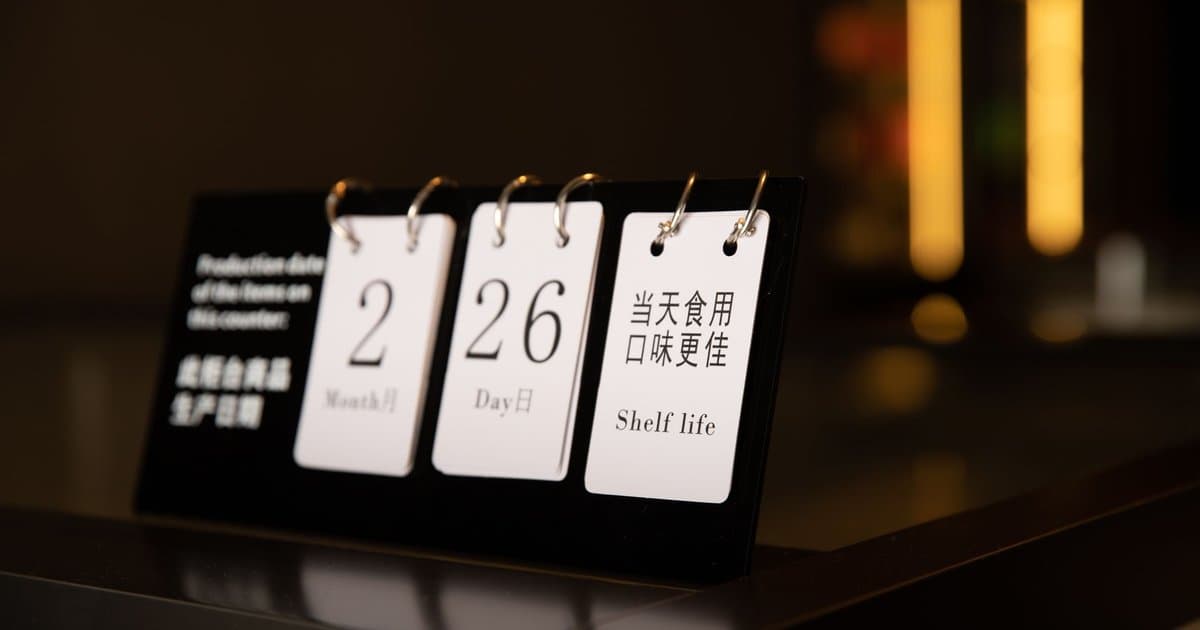
Start with the language, because the exact wording matters more than the number. A best by or best if used by date is about peak quality, the point at which the maker thinks the food tastes or looks its best. A sell by date is a message to the store about how long to display the item, and it usually leaves you plenty of time at home afterward. A use by date is the closest thing to a quality deadline, and even then it often refers to freshness rather than safety. The one true exception is infant formula, which is federally regulated and should never be used past its date. For almost everything else, the date is a suggestion, not a verdict.
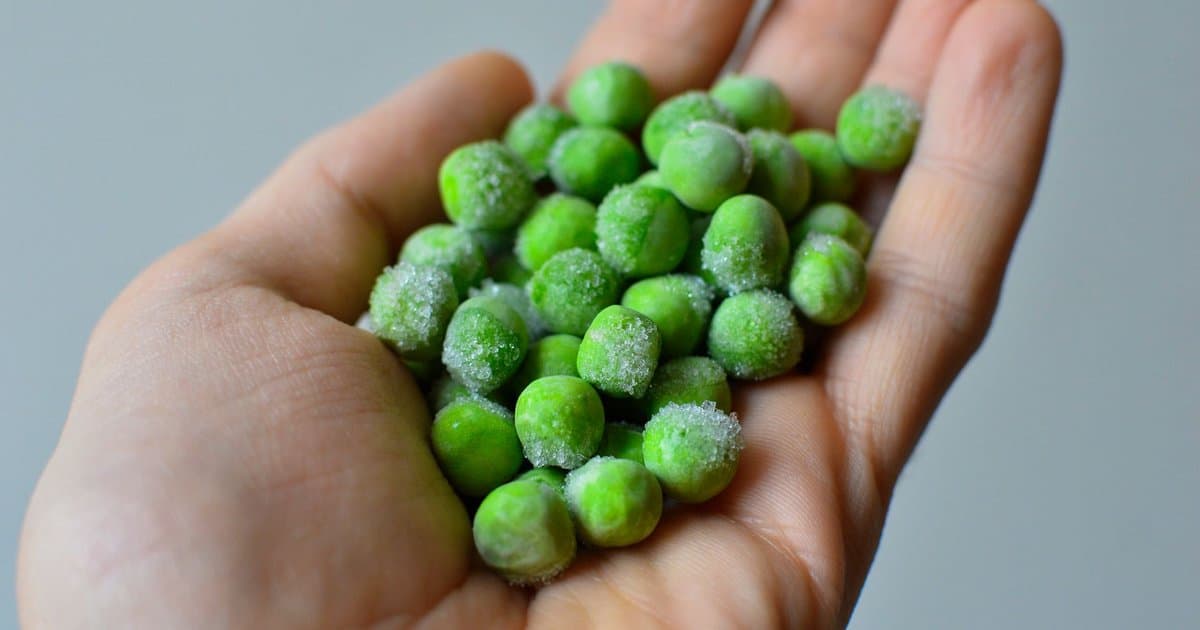
This means a lot of food is good well past the printed date, especially if it has been stored properly. Many shelf-stable items like canned goods, pasta, rice, and dry beans last months or even years beyond their date, slowly losing quality rather than becoming unsafe. Eggs are commonly good for weeks past their sell by date, and you can test them by placing one in water, since a fresh egg sinks and a bad one floats. Hard cheeses, frozen foods, and many condiments have a long runway too. Your senses are often a better guide than the calendar. If something looks normal, smells normal, and tastes normal, it is usually fine.
That said, there are cases where you should respect the date and trust caution over thrift. Ready to eat refrigerated foods like deli meats, soft cheeses, and prepared salads can grow harmful bacteria without any change in smell or taste, so the date carries more weight there. The same goes for anything that has been left in the temperature danger zone for too long, regardless of what the package says. Storage is the real driver of safety, not the printed number. A product kept cold and sealed lasts far longer than the same product left warm or opened. When the food is high risk and the signs are unclear, throwing it out is the smart call.
The practical move is to use your eyes, your nose, and a little knowledge instead of reacting to the date out of reflex. Keep your refrigerator at or below forty degrees, store older items in front so you use them first, and freeze things you will not get to in time. Trust your senses on low risk foods, and lean toward caution on the high risk ones listed above. A can of beans a few months past its best by date is almost certainly fine, while a slimy deli turkey is not, even on the day it was opened. Learning the difference is what turns a freezer and pantry from a source of waste into a source of savings. The goal is to stop letting a misunderstood number throw money in the trash. Read the words, store food well, and let your own judgment do the rest.