The gap between a cheap cut and an expensive one is smaller than the price tag suggests. Most of the difference shows up in handling, not in the meat itself. A chuck roast, a pork shoulder, or a bottom round can carry real flavor when you treat it right, and they often beat a pricey cut that someone rushed. The habits that make this happen are not fancy, and none of them require special gear. They are the same moves good cooks repeat until they stop thinking about them. Learn these six and your grocery budget will stretch further than you expected. The cook sitting on a wall of expensive cuts is leaning on the same fundamentals, just with pricier meat.
The first habit is salting early, ideally hours ahead and not seconds before the pan. When salt sits on meat, it pulls moisture to the surface, dissolves, and then gets drawn back in, seasoning the inside instead of just the crust. This is what people mean by a dry brine, and it works on everything from a thin steak to a whole chicken. An hour helps, but overnight in the fridge, uncovered, is even better. The surface dries out as it rests, which sets you up for a deep brown crust later. Skip this step and you are seasoning only the outer layer of an otherwise bland bite.
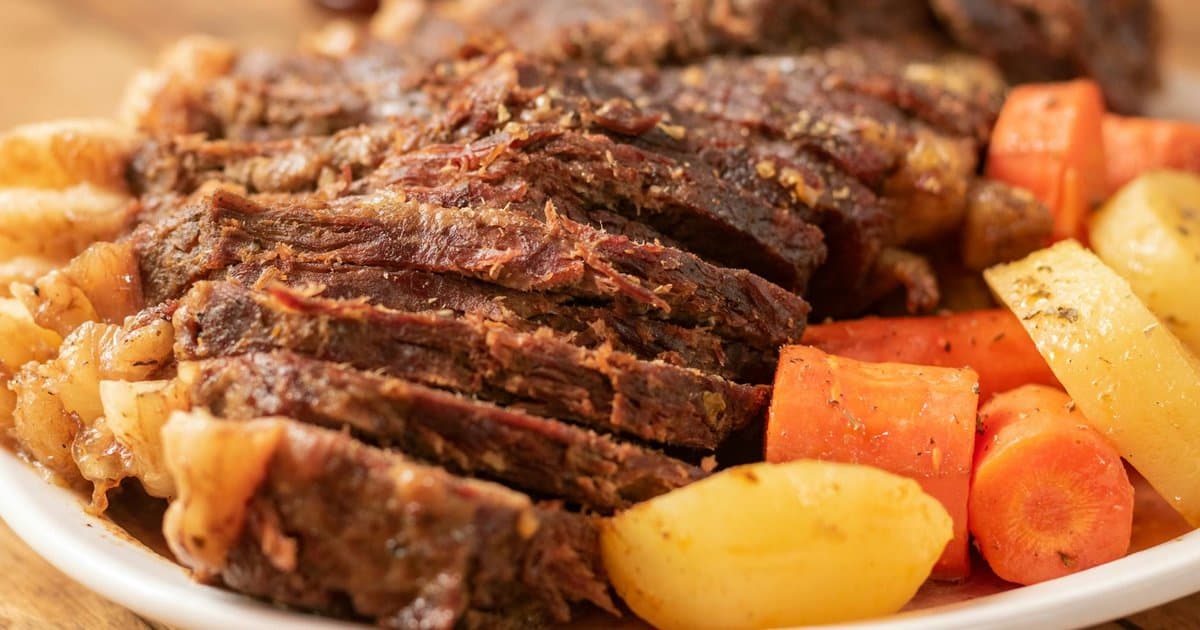
The second habit is matching the method to the cut, because tough cuts reward patience. Chuck, brisket, shoulder, and shank are full of connective tissue that turns rubbery when rushed and silky when cooked low and slow. Hold them at a gentle heat for a few hours and that tissue melts into gelatin, which is the source of that rich, mouth coating texture. A heavy pot, a slow cooker, or a low oven all get you there. The third habit follows from this, which is to cook by temperature rather than by the clock. A cheap instant read thermometer removes the guessing and saves you from dry, gray meat. Pull a roast at the right internal temperature and it stays juicy, while a few degrees too far turns it stringy and sad.
The fourth habit is building a real crust through high, dry heat. Browning is not just color, it is a chemical reaction that creates hundreds of new flavor compounds you cannot get any other way. To make it happen, pat the surface dry, get the pan or grill genuinely hot, and give the meat room instead of crowding it. Crowding traps steam, and steam is the enemy of a crust. Leave the meat alone long enough to release on its own, then flip it once it lets go without a fight. That single brown layer is most of what makes a plate taste like it cost more. The same trick works on vegetables, where a hard sear turns plain mushrooms or sprouts into something people fight over.
The fifth habit is resting the meat before you cut it, and most people skip it because they are hungry. When meat cooks, the juices push toward the center, and cutting too soon spills all of that onto the board. A few minutes of rest lets the juices settle back through the cut so they stay where you want them. The sixth habit is slicing against the grain, which matters more than almost anything for a cheap cut. Look for the direction the muscle fibers run, then cut across them to shorten each fiber. Do that and a chewy cut suddenly eats tender. Get the grain direction wrong and even a careful cook can turn good meat into a chewing workout.
It helps to know which budget cuts give the most in return. For low and slow cooking, look at chuck roast, short ribs, pork shoulder, and lamb shank, all of which turn tender with time. For quick high heat, flank, skirt, flat iron, and sirloin tip deliver big flavor if you slice them right. Whole chickens cost far less per pound than parts, and you get stock from the bones on top of the meat. Ground cuts and stew meat stretch across several meals without much effort. Once you start shopping by method instead of by habit, the savings add up fast.
String these six together and the results speak for themselves. Salt early, match the method to the cut, cook to temperature, build a crust, rest, and slice against the grain. A small finishing touch helps too, since a squeeze of acid or a pat of butter at the end wakes up flavors that heat alone can flatten. None of this asks you to spend more at the counter. It asks you to slow down and respect what the meat is telling you. Do that and the cheap cut on sale this week can hold its own against anything on the menu. Cook this way a few times and the moves stop feeling like steps, they just become how you cook.