The restaurant industry in 2026 is navigating a genuine cultural reset, driven partly by economic pressure and partly by a shift in what diners actually want from a meal. The James Beard Foundation and the National Restaurant Association have both been tracking the same pattern: snacks and small bites have become the fastest-growing daypart in the industry. Fifty-eight percent of consumers cite quick snacks or small portions as a primary reason for their restaurant visits, up significantly from previous years. This is not just about convenience. It reflects a broader change in how people relate to food throughout the day, with fewer structured three-course experiences and more intentional small moments. Restaurants that have adapted their menus and operations to accommodate that shift, with distinct snack menus, flexible portion offerings, and all-day-accessible pricing, are seeing the results in their traffic numbers.
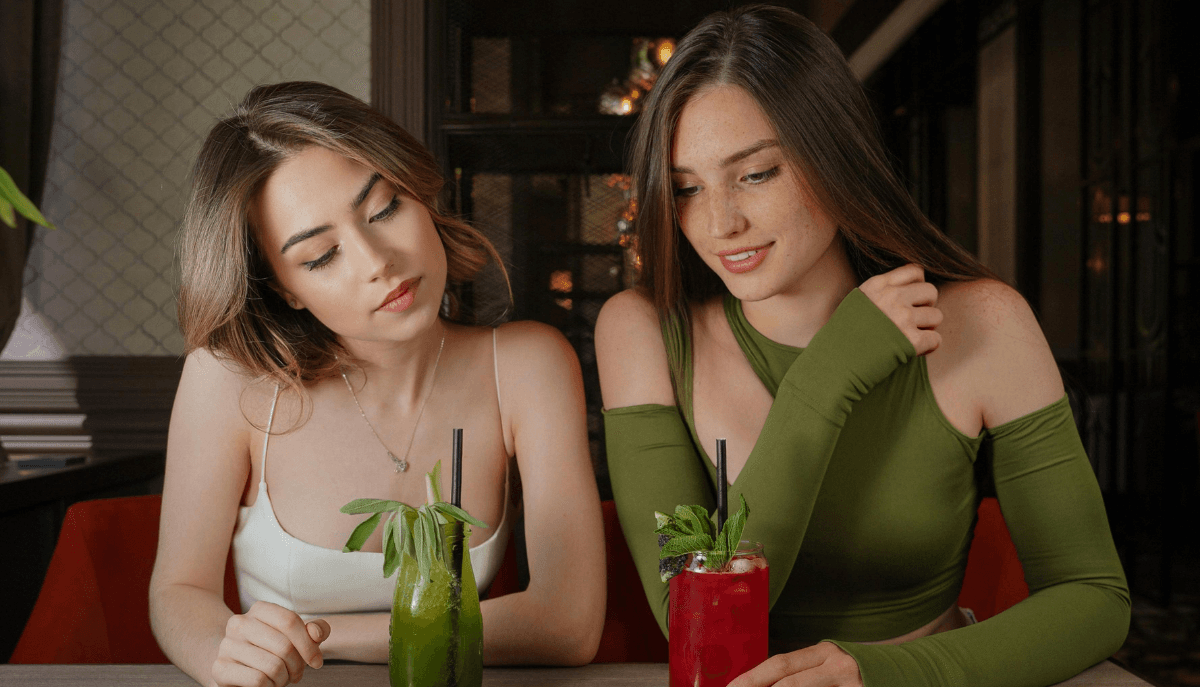
The beverage category is seeing the most visible disruption. Low- and no-alcohol options have moved from a niche segment to a mainstream menu expectation, driven largely by Millennials and Gen Z consumers who are actively reducing alcohol consumption for health reasons. The market includes kombucha, tepache, prebiotic sodas, botanical sodas, and adaptogen-based drinks, and it is growing at a pace that has prompted major beverage companies to invest aggressively in the category. These drinks are not simply alcohol replacements. They are functional, often gut-health-focused options that consumers are choosing because of what they do, not just because of what they avoid. Gut health has become one of the most discussed topics in wellness circles for good reason, as research has continued to build a strong connection between the microbiome and broader metabolic and mental health outcomes.
The terroir conversation in food has moved from specialty restaurants and food media into a broader restaurant context. Diners in 2026 are paying more attention to where ingredients come from, whether they are grown regeneratively, and whether the stories attached to them are genuine. Chefs who have built relationships with specific farms, ranchers, and local producers are finding that those relationships have become a genuine marketing asset in a way they were not five years ago. The ingredient story, where it was raised, who tended it, what practices were used, is increasingly part of the menu experience rather than just fine-print information. This is not universal across the industry, but it is spreading past the fine dining tier into mid-market restaurant culture.
One of the more interesting countercultural signals coming from the chef community in 2026 is the explicit push back against the Instagrammable food era. A number of prominent chefs have been publicly, and in some cases emphatically, arguing that the prioritization of visual spectacle over flavor and technique has been bad for the restaurant industry and bad for food culture. The "phone eats first" era, where a dish's primary success metric is how it looks on social media before anyone tastes it, produced a category of food that performs brilliantly in video and often disappoints at the table. The correction is showing up in the form of chefs who are deliberately designing dishes that prioritize flavor, texture, and the actual experience of eating rather than the documentation of that experience. This is a quality argument, not a luddite argument, and the dining public has been responding positively.
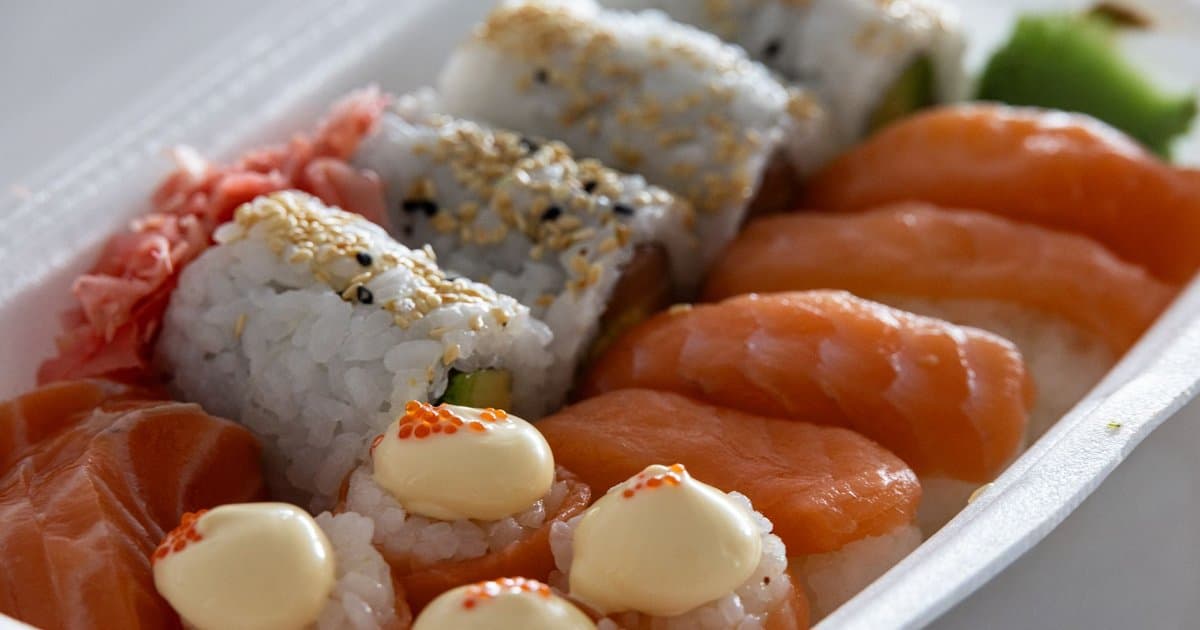
Global flavors continue to move through the mainstream restaurant market at a significant pace. Asian cuisines, particularly Japanese and regional Indian, carry strong momentum from the last several years and show no signs of slowing. Mexican regional cuisine beyond Tex-Mex has been building for a decade and is now well-established in the mid-market tier. West African and Ethiopian cuisines are gaining ground in markets with diverse populations. The pattern is less about individual dishes going viral and more about cuisines developing sustained audiences as communities grow and culinary education around specific regional traditions becomes more accessible. The combination of immigrant-owned restaurants, food media coverage, and social discovery has created a more porous food culture than existed a generation ago.
For diners thinking about where and how to eat in 2026, the short version of all of this is: small bites and snack menus are worth exploring at restaurants that have built them thoughtfully, the beverage menu is more interesting than it has been in years if you ask for the non-alcoholic options, and the restaurants with the most compelling food right now are often the ones most focused on where their ingredients come from and least focused on how their dishes photograph.