The National Geographic food trends forecast for 2026 named Haitian cuisine as one of the most significant culinary movements to watch this year, citing new restaurant openings and growing consumer curiosity about dishes that have been part of diaspora communities for generations. The James Beard Foundation's annual industry report echoed that recognition, calling out Haitian food as part of a broader wave of Caribbean and West African-influenced cooking finding broader audiences in American cities. If you have been paying attention to the restaurant industry, you saw the pieces of this coming together over the past two to three years. In 2026, those pieces are connecting in a way that is hard to ignore.
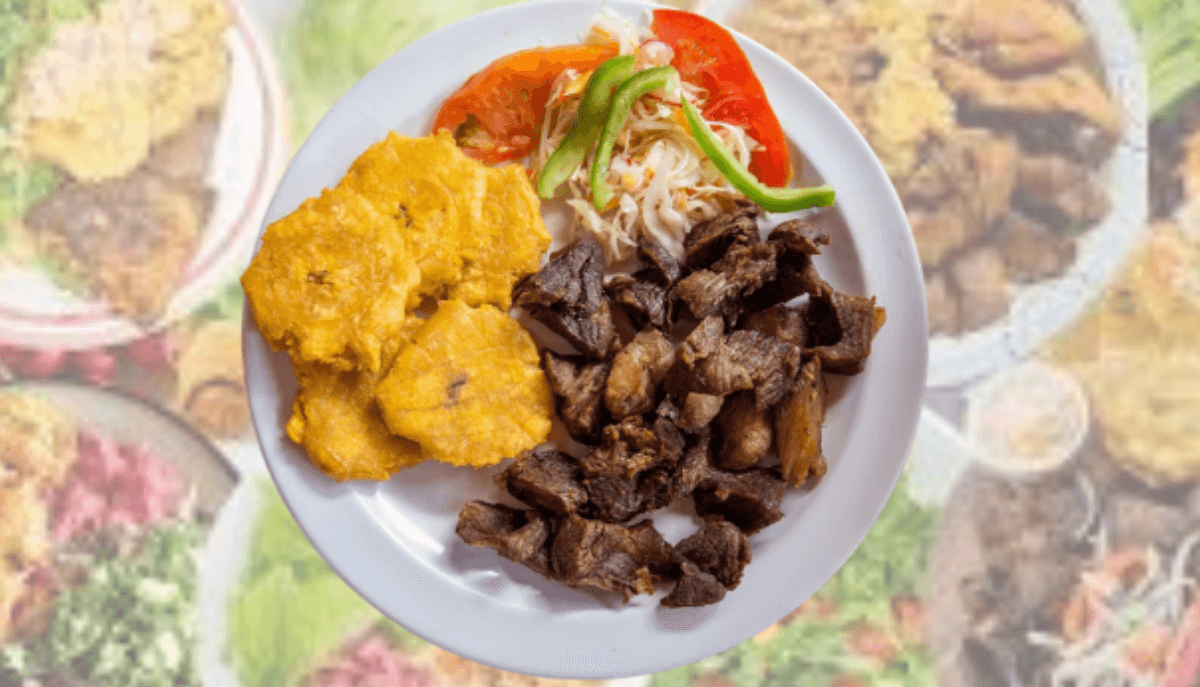
Djon djon, the distinctively earthy black mushroom rice that originates from northern Haiti, is appearing on menus in cities that would not have supported a Haitian restaurant a decade ago. Griot, the slow-marinated, citrus-spiced fried pork that is one of the most beloved dishes in Haitian cooking, is showing up on food festival lineups and in chefs' tasting menus as a reference point for the complexity that Caribbean cuisine has always carried but American dining culture has been slow to recognize. Pikliz, the fiery vinegar-pickled vegetable condiment that brings heat and acidity to almost every Haitian meal, is attracting the same kind of ingredient-level attention that gochujang and harissa received in earlier trend cycles. These are not new ingredients. They are being newly seen.
Understanding why this is happening now requires looking at two things simultaneously: the restaurant industry's appetite for new reference points and the growth of Haitian diaspora communities in American cities. Miami has the longest-established Haitian-American community in the country, and it has supported Haitian restaurants and food culture for decades. But the diaspora has grown and spread significantly since the 2010 earthquake and subsequent immigration waves, building critical mass in cities including Boston, New York, Atlanta, Chicago, and Nashville. Where communities build density, restaurants follow. Where restaurants build quality and consistency, food media pays attention. Where food media builds interest, the mainstream dining public follows. That sequence has played out in Haitian food's American trajectory the way it played out for Vietnamese, Ethiopian, and Korean cuisine in earlier decades.
The chefs driving this moment are largely Haitian-American or first-generation Haitian, and many of them are talking openly about the responsibility they feel to present the food accurately rather than adapting it for palatability. That distinction matters because the history of non-European cuisines entering the American mainstream has often involved simplification and substitution that strips dishes of their technical complexity and cultural context. The Haitian chefs building profiles right now are resisting that pattern. They are not making djon djon approachable by replacing the black mushrooms with something more familiar. They are sourcing the actual ingredient, explaining it, and trusting that diners who are willing to engage with the food will respond to its actual flavor rather than a softened version of it.
The flavor profile of Haitian cooking is also well-positioned for where the American palate is right now. The cuisine relies heavily on citrus, scotch bonnet peppers, fresh herbs, and long cooking techniques that build deep savory notes without relying on dairy or heavy fat. Those are qualities that align with what food-forward diners are actively seeking: bold flavor, acid balance, heat with complexity, and protein preparations that show technical skill. The slow marination of griot, which can run 24 to 48 hours before the pork is fried to a crispy exterior with a tender interior, is the kind of process that fine dining celebrates in other traditions. It has always been present in Haitian cooking. The question was always whether American diners would look for it.
The beverage dimension is also part of this story. Haitian rum, particularly clairin, the raw sugarcane spirit that is increasingly appearing on high-end cocktail menus, has been building visibility in craft bartending circles for several years. The pairing of clairin-based cocktails with Haitian food creates a more complete cultural dining experience and gives restaurants a beverage program with genuine point of difference. As more consumers look for origin stories in what they drink, Haitian clairin offers a narrative that is both authentic and largely untold in mainstream American bar culture.
For anyone who has not yet explored Haitian cuisine, this is a genuine opportunity to get ahead of a trend that is going to become much more widely known. The flavors are approachable for anyone comfortable with spice, citrus, and well-seasoned protein. The dishes carry cultural weight and technique that reward curiosity. And the restaurants building this moment deserve support before they reach the point where they are overcrowded and overpriced from the mainstream attention they are about to receive. The food has always been there. The audience is finally arriving.