A few years ago, kimchi was a specialty item you found at the back of the international aisle if the store carried it at all. Today it is at the front of the produce section at major grocery chains, in multiple sizes, from multiple brands, next to kefir, kombucha, sauerkraut, and a growing category of probiotic beverages that barely existed as a commercial category half a decade ago. The fermented food market is valued at roughly $318 billion globally in 2026 and is growing at a compound annual rate above 6 percent. This is not a wellness micro-trend that arrived with a particular influencer cycle. This is a permanent structural shift in how Americans think about what food is supposed to do for the body.
The science driving the shift is the gut microbiome research that has accumulated over the past decade. What started as niche academic interest in the connection between gut bacteria and overall health has moved into mainstream consumer awareness in a way that almost no other nutritional science has managed. People know, in a general but real way, that the bacteria in their digestive system affect everything from immune function to mood to inflammation levels. Fermented foods are one of the most direct dietary ways to support that ecosystem. When the research gives a clear enough signal and the mechanism is simple enough to explain, consumer behavior follows. That is exactly what happened here.
Kombucha led the American market into this category because it had the easiest entry point. It was sold as a beverage, it came in flavors, and it did not require any change to how you thought about a meal. You just swapped a soda or a juice for a kombucha and told yourself you were doing something good for your gut. That is about as frictionless as a dietary shift gets. The category grew from a natural foods novelty into a $2 billion-plus domestic market. The growth of kombucha created the consumer infrastructure, the retail shelf space, and the cultural familiarity that allowed other fermented categories to follow.
Kimchi took a different path. It has been a staple of Korean cuisine for centuries and it arrived in the American market carried by the broader mainstreaming of Korean culture, driven in part by food media, K-pop, and a generation of American consumers who developed genuine affinity for Korean food through restaurants and cooking content. The combination of cultural legitimacy and health credentials turned kimchi into something unusual: a food that people started eating because they liked it first, and then discovered the gut health angle secondarily. That ordering matters. It is stickier than a food people adopted purely for health reasons and never actually enjoyed.
Kefir occupies a middle position. It has roots in Eastern European and Middle Eastern food traditions, it is dairy-based for the most conventional version, and it contains a significantly higher probiotic diversity than most yogurts. It has grown steadily but without the cultural moment that either kombucha or kimchi had. The growth of kefir is quieter and more driven by health-conscious consumers who sought it out specifically for its nutritional profile. The plant-based kefir category, made from oat milk or coconut milk, is growing at nearly 9 percent annually, which is where the real acceleration is happening as the format meets the plant-based consumer.
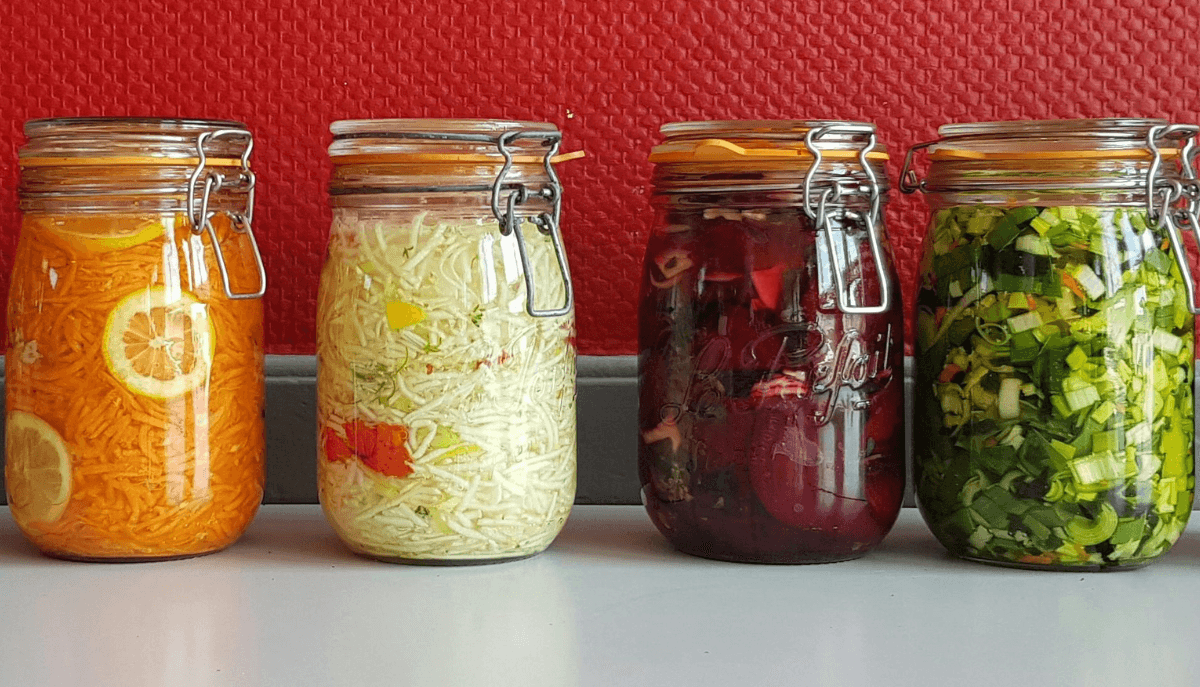
The business dynamics of the fermented food market are worth understanding for anyone watching the food industry. This is a category where small producers have real advantages. The fermentation process does not require the industrial infrastructure that most packaged food production does. A skilled fermenter with good sourcing can produce high-quality kimchi, kraut, or kefir at a small scale and price it at a premium that the market will support. The local fermented food brand has authenticity that a large national brand cannot easily replicate. This has created a cottage industry of small fermented food producers who are selling at farmers markets, through local retailers, and increasingly through direct-to-consumer channels.
The trajectory from here is clear from the market data. Fermented beverages are growing faster than fermented foods within the category, with kombucha being joined by prebiotic sodas, Jun tea, and water kefir as commercial products. The plant-based fermented segment is growing fastest of all. And the geographic expansion is continuing, with foods that were regional specialties in specific immigrant communities entering mainstream retail. Tepache, a Mexican fermented pineapple drink, is one current example of a food that was deeply traditional in one community and is now finding broader American distribution.
The consumers driving this market are not primarily people who read nutrition research. They are people who tried kombucha at a restaurant, liked it, bought some at the grocery store, and started paying attention to the broader category. The science is real and the health claims are increasingly well-supported, but the market does not grow primarily because of science. It grows because the food tastes good, the category is easy to access, and the cultural context for valuing fermented foods has shifted permanently in the American market.