The restaurant industry spent the better part of the last five years in survival mode. Labor shortages, supply chain disruptions, rent increases, and the lingering operational weight of the pandemic years left most operators focused on getting through the week rather than thinking about the future. But something has shifted in 2026. The restaurants that made it through that stretch are making deliberate choices about format, menu design, and customer experience, and those choices are producing a food culture moment that is worth paying attention to.
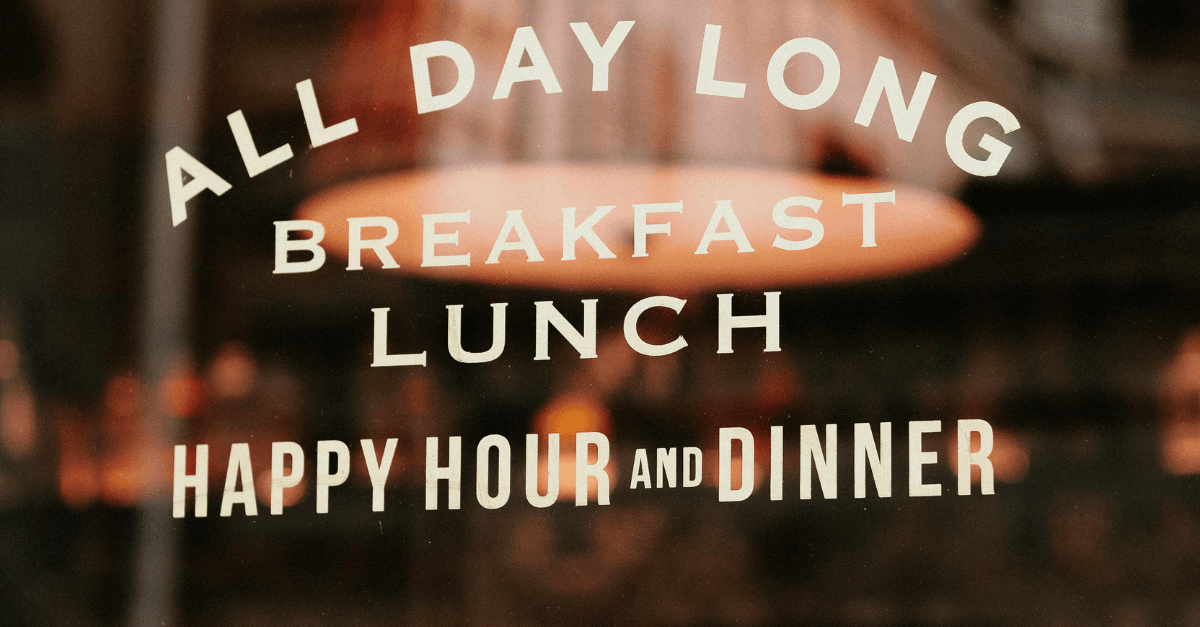
The all-day café model is one of the most visible trends of this year. Concepts that serve coffee and pastries in the morning and then transform into a different culinary experience by evening are creating hospitality models that maximize a single space across multiple dayparts. The logic is practical. Fixed costs run the same whether a space is open four hours or twelve, and the economics of a location that earns revenue all day are fundamentally different from a lunch-only or dinner-only concept. But the appeal goes beyond the math. All-day spots create a sense of belonging for regulars in a way that single-service restaurants rarely replicate. They become places people return to multiple times a week, at different hours, for different reasons.
The menu itself is getting edited across the industry. Restaurants in virtually every category are trimming their offerings down to fewer items done exceptionally well. The bloated menu with forty entrees is giving way to focused, seasonal selections that change more often and reflect what the kitchen can actually execute at a high level. This is better for food quality, better for kitchen operations, and increasingly better for the customer experience. A smaller menu signals confidence. It communicates that the kitchen knows what it does well and is not trying to cover every possible preference. Diners who trust a restaurant's judgment tend to spend more and return more often. The edit is actually good for business.
The gut health conversation is arriving in restaurants in a concrete way this year. Researchers and food trend analysts are tracking what they are calling fibermaxxing, a growing consumer behavior around maximizing fiber intake at every meal. This is showing up in menus through whole grain bases, fermented side dishes, prebiotic beverage options, and produce-heavy proteins. The functional beverage trend runs in parallel, with kombucha, tepache, and prebiotic sodas appearing on drink menus that used to offer only craft beer and sparkling water. These are not niche items anymore. They are moving from health food stores into mainstream casual dining, which is a reliable indicator of where consumer priorities are actually heading in the broader population.
Low- and no-alcohol options are also becoming serious menu offerings rather than afterthoughts. The demand from diners who do not drink, who are taking breaks from alcohol, or who are making health-conscious decisions is now significant enough that restaurants are investing real development into this category. Specialty non-alcoholic cocktails, sophisticated mocktail programs, and premium beverage alternatives are adding revenue from a customer segment that previously just ordered water or soda. That is a meaningful shift in how the front of house operates and what it can generate per table.
None of these trends are separate from each other. The restaurant that does all of this well, that commits to a focused menu, runs an all-day format, thinks seriously about functional beverages, and creates a space where people genuinely want to stay, is building something that runs deeper than any single food trend. It is building a hospitality model that matches where consumers are actually headed. The restaurants that came out of the last five years intact are not just surviving anymore. The best of them are building something new.