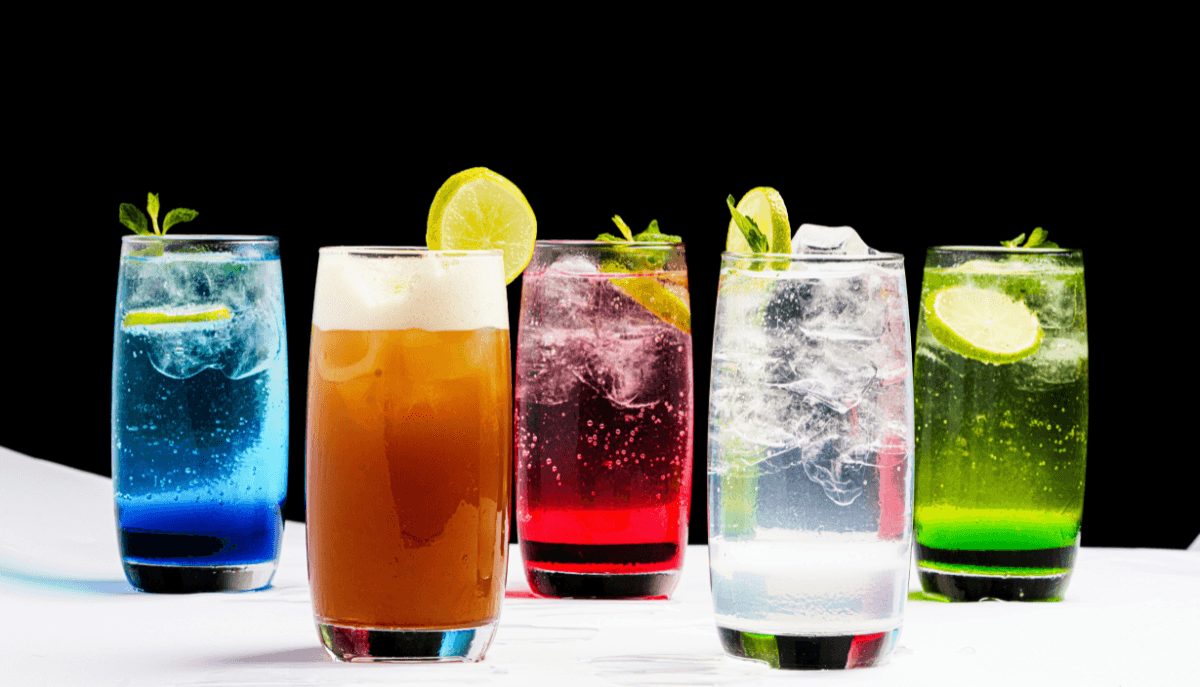
The US non alcoholic beverage market crossed 35 billion dollars in 2025 according to IWSR data released in April 2026, with growth of 26 percent year over year. The same research firm projects the category will hit 48 billion dollars by 2028 at the current trajectory. What started as a niche for people in recovery and pregnant women has become a full consumer category with its own brands, retail placement, restaurant programs, bar programs, and cultural identity. The shift is generational, and the industry is still catching up to what it means.
The consumer profile is not who most beverage executives expected. Fewer than 18 percent of non alcoholic purchasers report being completely alcohol-free. The majority of buyers are moderate drinkers who want options on particular occasions: weeknight dinners, lunch meetings, after workouts, while pregnant, while driving, while on certain medications, or simply because they want to be present the next morning. This is the "sober curious" consumer, and they are not replacing alcohol purchases entirely. They are buying both, depending on the moment. That behavior makes the category additive to beverage industry revenue rather than cannibalistic.
The demographic story is sharpest among younger consumers. The share of Americans aged 21 to 34 who report drinking alcohol weekly dropped from 65 percent in 2015 to 49 percent in 2025 per Gallup. Gen Z is the driver. Their reasons vary: mental health prioritization, wellness framing, more transparent health data, sobriety destigmatization, and the social media performance effect of not being drunk in your own content. The trend is strongest among Black and Latino Gen Z, where weekly drinking rates dropped more steeply. Nashville bars and restaurants report 34 percent of under-30 tabs now include at least one non alcoholic item, compared to 12 percent five years ago.
The beer category led the early wave and remains dominant. Athletic Brewing Company, which started as a small craft brand in 2018, is projected to do over 500 million in revenue in 2026 and has opened a second production facility in Milford, Connecticut. Heineken 0.0 remains the largest single brand globally. Guinness 0.0, Corona Non Alcoholic, and Sam Adams Just the Haze have scaled quickly in US retail. Craft non alcoholic breweries have proliferated, with Brooklyn-based Partake, San Francisco-based All Day Brewing Co., and Austin-based Wellbeing Brewing all expanding distribution. Beer is simply the easiest non alcoholic translation because the flavor architecture works in reverse engineering.
Non alcoholic spirits are the highest-growth subcategory and still the most creatively interesting. Seedlip broke the category open in the US in 2019 and was acquired by Diageo. Ritual Zero Proof, Lyre's, Wilderton, and Kin Euphorics have built full brand systems with proprietary flavor profiles. The best non alcoholic spirits are not trying to imitate gin or bourbon. They are creating new flavor categories that happen to work in cocktail form. Mocktail programs at restaurants have moved from token single-item afterthoughts to multi-item crafted menus with the same design attention as cocktail lists. Bartenders report the best non alcoholic menus improve overall tab averages because guests order two or three drinks instead of one.
Non alcoholic wine has been the slowest to scale technically because wine's flavor complexity is harder to replicate without alcohol. That is changing. French Bloom, Noughty, Surely, Oddbird, and Thomson & Scott have built sparkling non alcoholic wines that work on the palate. Still wines remain harder. The de-alcoholization process, whether reverse osmosis or vacuum distillation, removes flavor compounds along with alcohol. Producers are getting better at reintroducing flavor through grape blending and extended maceration. Expect the wine sub-segment to catch up in the next 18 to 24 months.
Retailers are restructuring shelf placement around the category. Whole Foods now gives non alcoholic beverages full dedicated section space in most stores rather than scattering items. Target launched a non alcoholic endcap program in Q1 2026. Small specialty retailers like Boisson in New York and DC have built pure non alcoholic storefronts with tasting rooms and staff trained to recommend products. These retail formats did not exist four years ago. Direct-to-consumer channels are strong because many non alcoholic brands cannot afford national distribution yet and need to build audience before retail.
For Nashville restaurants, the practical question is whether to add a serious non alcoholic program. The answer is yes, and soon. The beverage margins on non alcoholic cocktails rival or exceed their alcoholic counterparts. Guest check averages rise with thoughtful menus. Regulars who previously drank and stopped stay longer and return more often when they have real options. The hesitation is usually about spending on bar staff training, inventory, and menu design for a category the owner personally does not drink in. That hesitation is going to cost market share. The consumer shift is real, durable, and accelerating.