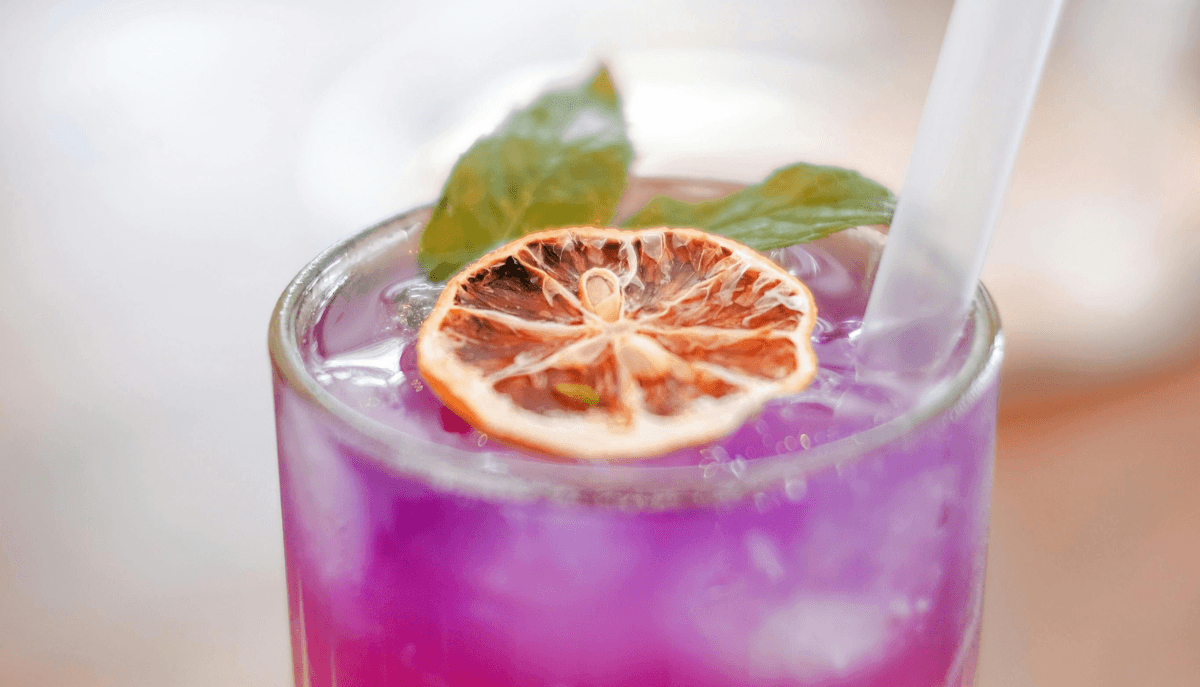
Functional beverages went through several distinct waves: first protein, then prebiotic sodas with brands like Poppi and Olipop, then the non-alcoholic adaptation. The 2026 wave is what food scientists and product developers are calling layering, meaning a single product combines multiple functional ingredient categories rather than optimizing around one. A drink now might contain ashwagandha for stress management, lion's mane mushroom for focus, electrolytes for hydration efficiency, and soluble fiber for gut health. The premise is that consumers want all of their health goals addressed in one convenient format. The category has been growing fast enough that convenience stores and specialty grocery retailers have dedicated shelf sections to it now. The business model is clear. The question is what the products actually do in your body.
The science behind some of these ingredients is real and has been for a while. Ashwagandha, the adaptogen most commonly found in stress and recovery beverages, has a meaningful clinical evidence base. The studies demonstrating cortisol reduction and perceived stress improvement used daily doses ranging from 600 to 1,200 milligrams, sometimes divided across two administrations. Lion's mane mushroom has preliminary but genuinely promising research on nerve growth factor production, with animal studies strong and human studies growing. Electrolytes for hydration efficiency are backed by unimpeachable evidence. Soluble fiber from sources like inulin or psyllium has extensive research behind gut microbiome support and satiety. None of these are invented categories. They are real functional ingredients that actual clinical research supports.
The problem is the gap between what the research used and what most functional beverages include. A drink containing 100 milligrams of ashwagandha is a different product than the 600 to 1,200 milligram daily doses that showed cortisol reduction in clinical trials. When a label lists an ingredient, that tells you nothing about whether the amount present is clinically meaningful. This is the gap that most consumers are not equipped to evaluate and that most functional beverage marketing does not volunteer to clarify. Products with attractive labels, interesting ingredient lists, and genuinely sub-therapeutic doses are common across this category. The marketing is moving faster than the dosing discipline, and the result is a shelf full of products that look similar but perform very differently.
The products worth paying attention to are the ones that list specific milligram amounts rather than hiding behind proprietary blend language, that use ingredients with peer-reviewed research support rather than novel additions included more for label appeal, and that are honest about what they are designed to do rather than claiming five distinct health benefits from a single serving. The complexity ceiling on combining functional ingredients in a single beverage is also real from a basic efficacy standpoint. Some ingredients compete for absorption pathways. The human digestive system processes nutrients in a sequence that can limit what actually gets to the bloodstream at therapeutic levels when everything arrives simultaneously in liquid form. A product claiming to deliver seven distinct health outcomes from seven categories is probably delivering none of them at levels your body can actually use.
For consumers trying to navigate this category, the most useful filter is to identify the one or two specific things you want the drink to do and then evaluate whether it has research-backed ingredients at documented effective doses for exactly that purpose. Hydration and electrolytes are the most reliable category and the easiest to verify. Adaptogens like ashwagandha are worth exploring if the dose is disclosed and meaningful. Anything claiming to simultaneously support immunity, cognitive performance, fat metabolism, and gut health in a single bottle is almost certainly optimizing for the ingredient deck on the label rather than the experience in your body. The functional beverage category is growing because the underlying consumer desire for convenient health support is genuine. The products that will build real loyalty are the ones that treat dosing as seriously as branding.
---