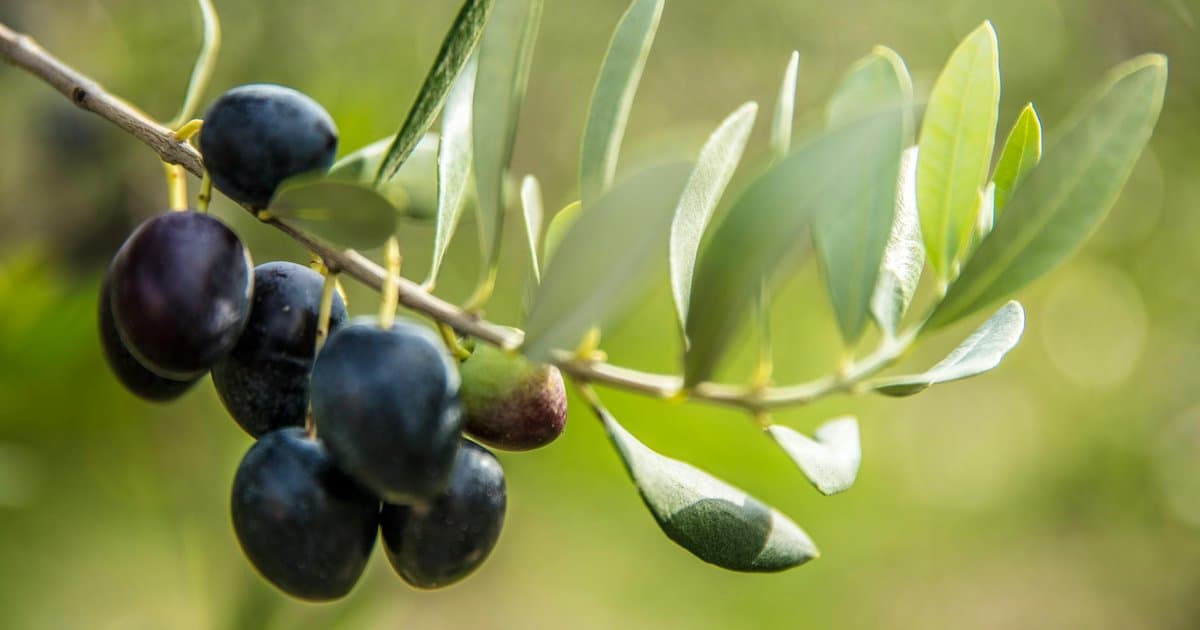
Olive oil sits in almost every American kitchen, and most people assume that as long as the label says extra virgin, the bottle is doing what the headlines promise. The reality is more complicated. The health benefits attributed to olive oil come almost entirely from a class of compounds called polyphenols, and the polyphenol content of a bottle drops sharply with age, light exposure, heat, and oxygen. Most extra virgin olive oil sold in American supermarkets has been sitting on a shelf for months, sometimes a year or more, after harvest. By the time it reaches the pan, the antioxidant load that drove the Mediterranean diet research has been cut by half or more.
The single step that decides whether you actually get the benefits is checking the harvest date on the bottle before you buy. Not the best by date. Not the bottling date. The harvest date is the only number that tells you when the olives were pressed. A bottle harvested ten months ago, even unopened, has lost a meaningful share of its polyphenols simply through slow oxidation in storage. The University of California Davis Olive Oil Sensory Panel and similar testing groups have shown that polyphenol degradation begins almost immediately after pressing and accelerates with each month, regardless of how dark the bottle or how carefully it is sealed. Fresher is dramatically better.
A second factor is provenance. The phrase product of Italy on a bottle is a labeling artifact, not a quality marker. It often means the oil was bottled in Italy after being blended from olives grown in Spain, Tunisia, Greece, and Morocco, and shipped in bulk through warehouses in Mediterranean ports. Each transfer adds heat, oxygen, and time. Single estate oils, where the label names the specific farm and the harvest year, almost always carry higher polyphenol counts because they skip the bulk blending stage entirely. They cost more, often eighteen to thirty five dollars for a five hundred milliliter bottle, but the math on health per dollar is much better than the cheap industrial bottles people pour generously because they were ten dollars.
Storage matters almost as much as purchase. Olive oil should live in a dark cabinet, away from the stove. The countertop next to the burner is the worst place for it. Heat from cooking and ambient light through clear glass speed the breakdown of polyphenols and free fatty acids inside the bottle. The same bottle that would last six months in a cool dark pantry can degrade noticeably in eight weeks on a sunny counter. Once a bottle is opened, the clock speeds up further, and most oils should be used within sixty to ninety days of opening. Buying smaller bottles more often is a quiet upgrade most people skip because the big tin looks like a better deal at the warehouse club.
The cooking method also matters more than the internet has been telling people. The claim that you cannot cook with extra virgin olive oil is mostly wrong. The smoke point of high quality extra virgin oil sits around four hundred degrees Fahrenheit, well above what almost any home cooking method actually generates. What is true is that the polyphenols themselves degrade with prolonged high heat, so the health benefit of finishing a dish with a drizzle of raw extra virgin oil is greater than using it as the primary sauté oil. Many serious cooks split the difference. Cook with a cheaper, lower polyphenol oil. Finish with a high quality, recent harvest bottle. The flavor and the health both improve.
There is also the adulteration problem. Multiple investigations over the past decade, including the well known reporting by Tom Mueller and follow up testing by the International Olive Council, have shown that a significant share of bottles labeled extra virgin olive oil in major American retailers do not actually meet the chemical and sensory standards required to use that label. Some are diluted with cheaper refined oils. Some are oxidized to the point where they would fail an official panel. Choosing producers who publish their harvest dates, their polyphenol counts, and ideally their lab analysis is the simplest way to skip this category of risk. California Olive Ranch, Cobram Estate, and smaller single estate brands tend to be transparent about all three.
The practical change is small and worth making. The next time you reach for olive oil in the store, flip the bottle and find the harvest date. If it is within the last twelve months, the bottle is worth buying. If there is no harvest date at all, put it back. Pick the darkest glass available, store it in a dark cabinet, and finish with a generous pour after the heat is off. The Mediterranean diet research was never about olive oil in the abstract. It was about fresh, high polyphenol oil consumed in real quantities. Doing that costs a little more and changes the flavor of food in a way that becomes hard to give up.