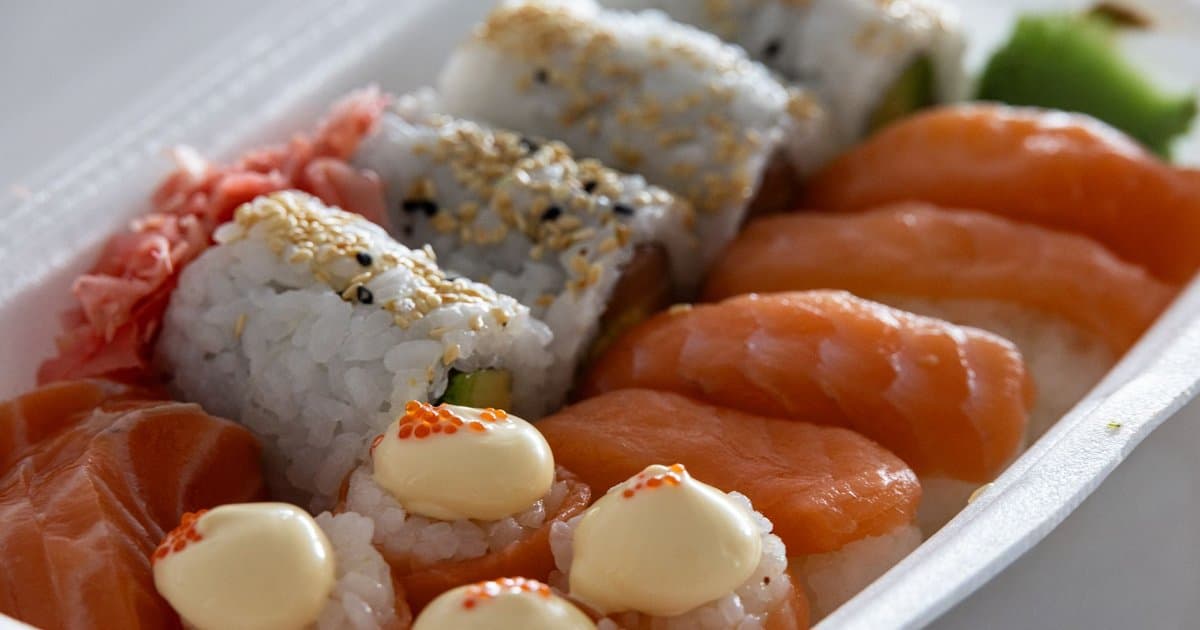
You order a dish at a restaurant, love it, and decide to make it at home. You follow the idea closely, use good ingredients, and the result lands flat. It is fine, but it is not the thing you remember. Most people conclude that professional cooks have some talent or secret that home cooks will never touch. The truth is far more ordinary and far more useful. The gap almost always comes down to a handful of habits, not a hidden ingredient, and every one of them is something you can copy in your own kitchen tonight. Once you see the pattern, restaurant food stops feeling like magic.
The first and biggest difference is salt, and not just how much but when. Restaurants salt in layers, adding a little at each stage of cooking rather than shaking it all on at the end. Salt early gets into the food itself and seasons it from the inside, while salt at the very end only sits on the surface. Home cooks tend to be timid with it, often because they were taught to fear it, so their food tastes underseasoned even when everything else is right. The fix is not to drown your food, it is to season as you go and taste along the way. That single change closes more of the gap than any fancy technique.
The second difference is fat, and it is the one most people resist. Restaurants use more butter, more oil, and more finishing fats than most home cooks would ever pour in, because fat carries flavor and gives food a satisfying feel in the mouth. A sauce that tastes rich at a restaurant often owes that richness to a knob of butter swirled in at the end. Home cooks, watching their health, quietly cut the fat and then wonder why the dish tastes thin. You do not have to match a restaurant pour to see a difference. Adding a bit more than feels comfortable, especially to finish a dish, changes everything.
The third factor is heat, and this is where home kitchens are genuinely at a disadvantage. Restaurant ranges run far hotter than a home stove, and that intense heat is what gives a steak its dark crust and vegetables their charred edges. That browning is a chemical reaction that builds deep, savory flavor, and it only happens when the surface of the food gets hot enough. Home cooks crowd the pan and cook on medium, which steams the food in its own moisture instead of searing it. The workaround is to get your pan hotter than you think you need, use less food per batch, and leave it alone long enough to brown. Dry the food first, because water is the enemy of a good sear.
The fourth move is the one almost nobody makes at home, and it is nearly free. Restaurants finish dishes with acid, a squeeze of lemon or a splash of vinegar added right at the end. Acid brightens everything and cuts through richness, and its absence is often why a home cooked dish tastes heavy or dull without the cook knowing why. That final squeeze wakes up all the other flavors and makes the plate feel alive instead of flat. Keep a lemon and a bottle of decent vinegar within reach of the stove. A few drops at the finish can rescue a dish that felt like it was missing something you could not name.
Beyond those four, the little finishing touches add up more than you would guess. A professional kitchen rests meat before slicing so the juices stay in the food instead of running onto the board. They scatter fresh herbs at the end for a lift of brightness and aroma. They wipe the plate clean and arrange the food so it looks like someone cared, and how food looks genuinely shapes how it tastes. They taste constantly, adjusting as they go rather than hoping it comes out right. None of this requires skill you do not have. It requires paying attention at the end instead of relaxing the moment the cooking is done.
The encouraging part is that every one of these is within your reach, and none of them costs much. Season in layers and taste as you go. Use more fat than feels natural, especially to finish. Get the pan hotter and stop crowding it. Add acid at the end, and take the small finishing steps that a rushed cook skips. Do those things and your food will jump closer to the restaurant version than any single expensive ingredient could take it. The professionals are not hiding a secret from you. They are simply doing a few basic things on purpose, every single time, and now you can too.