Walk into any grocery store and the marketing is loud and clear. The tender, lean, expensive cuts sit front and center under the brightest lights, while the cheaper pieces hide on the bottom shelf with smaller labels. We have been trained to think price equals quality, so we reach for the ribeye and the tenderloin and leave the rest behind. The truth runs the other way more often than people expect. The cuts that cost the most are prized for tenderness, not flavor, and tenderness is the one thing you can create at home for free. Time, low heat, and a little patience turn the cheap shelf into the best meal of the week.
Start with chicken thighs, because they fix the single most common complaint about home cooking. Breast meat is lean and unforgiving, which is why it goes dry the moment you look away from the pan. Thighs carry more fat and connective tissue, so they stay juicy even when you overcook them by a few minutes. They take on marinade better, they crisp up beautifully under a broiler, and they cost a fraction of the breast. A pack of bone-in thighs feeds a family for the price of one premium chicken breast. If you only change one thing in your kitchen this month, make it this.
Next come the slow cookers, the cuts built from hardworking muscle. A chuck roast comes from the shoulder of the cow, full of collagen that melts into silk over a few hours of low heat. Pork shoulder does the same thing and forgives almost any mistake, which is why it anchors barbecue, carnitas, and Sunday stews across so many cultures. Beef short ribs look expensive on a restaurant menu but sit cheap in the case, and a long braise turns them into something that falls off the bone. The rule with all three is simple. The tougher the raw cut, the more reward it hands you when you cook it slowly.
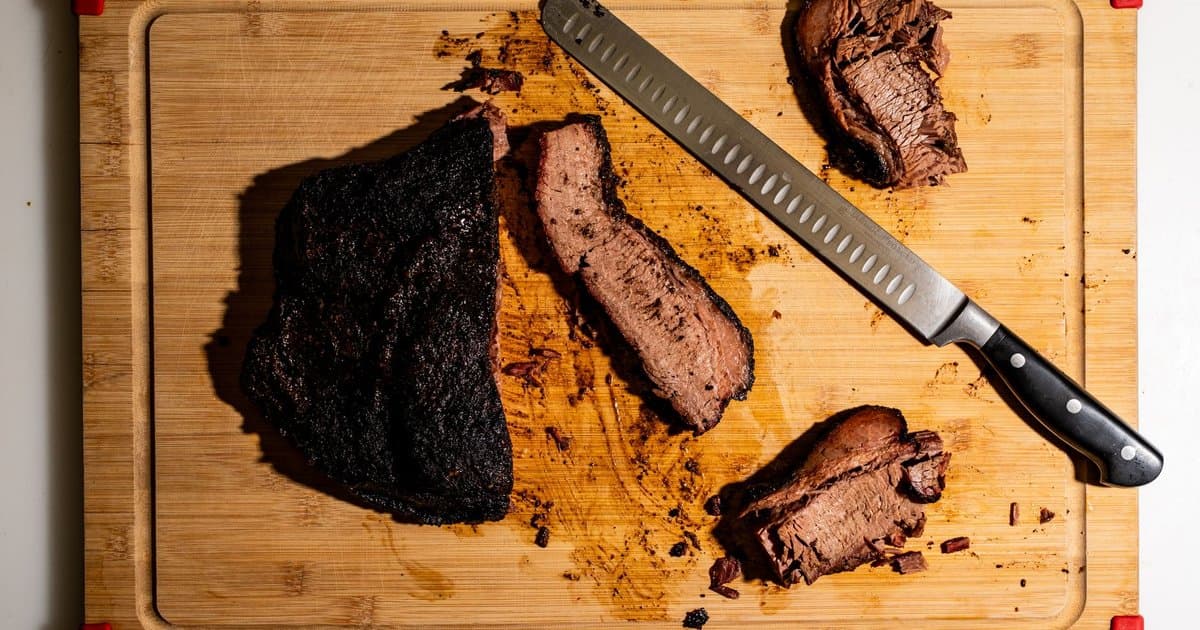
Then there are the two cuts most home cooks walk past entirely. Lamb shoulder costs far less than the rack or the chops, yet it carries deeper flavor and shreds into tacos, ragu, or a roast that feeds a crowd. Brisket rounds out the six, and while it demands the most patience of any cut here, it pays the biggest dividend. A whole brisket is one of the cheapest ways to feed a large group, and a slow oven does most of the labor while you go about your day. Both cuts ask for time rather than skill, which is exactly why they stay affordable. The market prices convenience, and these are not convenient.
The shift in thinking matters more than any single recipe. Expensive cuts are sold to people who want dinner in twenty minutes and will pay a premium to skip the wait. Cheap cuts are sold to people who plan ahead, and planning ahead is a habit you can build without spending a dollar. Buy the chuck on Sunday, season it in the morning, and let it cook while you handle the rest of your life. The connective tissue that makes these cuts tough when raw is the same tissue that makes them rich and tender when patient. You are not settling for less. You are trading money for a few hours you were going to have anyway.
A few simple habits make these cuts almost foolproof. Salt them well ahead of time, ideally the night before, so the seasoning works its way in rather than sitting on the surface. Cook them low and slow with a little liquid, whether that is broth, water, or the juices the meat releases on its own, and resist the urge to crank the heat to save time. Heat is the enemy of these cuts, since rushing toughens the very fibers you are trying to soften. Give them a hard sear at the start or the finish if you want color and crust, but let the long, gentle cooking do the heavy lifting in between. A cheap thermometer and a heavy pot or a slow cooker are the only real tools you need. Master those basics once and every cut on this list becomes hard to ruin.
There is a quiet financial story here too, and it adds up over a year. A household that swaps two premium-cut dinners a week for the cuts above can cut its meat budget by a noticeable margin without eating worse. The flavor usually improves, the leftovers stretch further, and the cooking gets more forgiving. None of this requires special equipment or a culinary background, just a willingness to start dinner earlier than you used to. The best plate on your table this week is probably the one hiding on the bottom shelf. Reach past the bright lights and the big labels, and let time do the expensive work for you.