The cost of giving up home cooking shows up first on the credit card. The average American adult who eats out for most meals spends $3,500 to $6,500 per year more than someone who cooks at home four to five nights a week, according to Bureau of Labor Statistics data from 2024. A two-adult household runs that to $7,000 to $13,000 of annual difference. Over a decade, the gap clears six figures with no investment compounding. That is the obvious cost, and it is the one most articles about cooking at home stop with. But the financial cost is probably the least important loss, because the other costs touch parts of life that are harder to recover once they go.
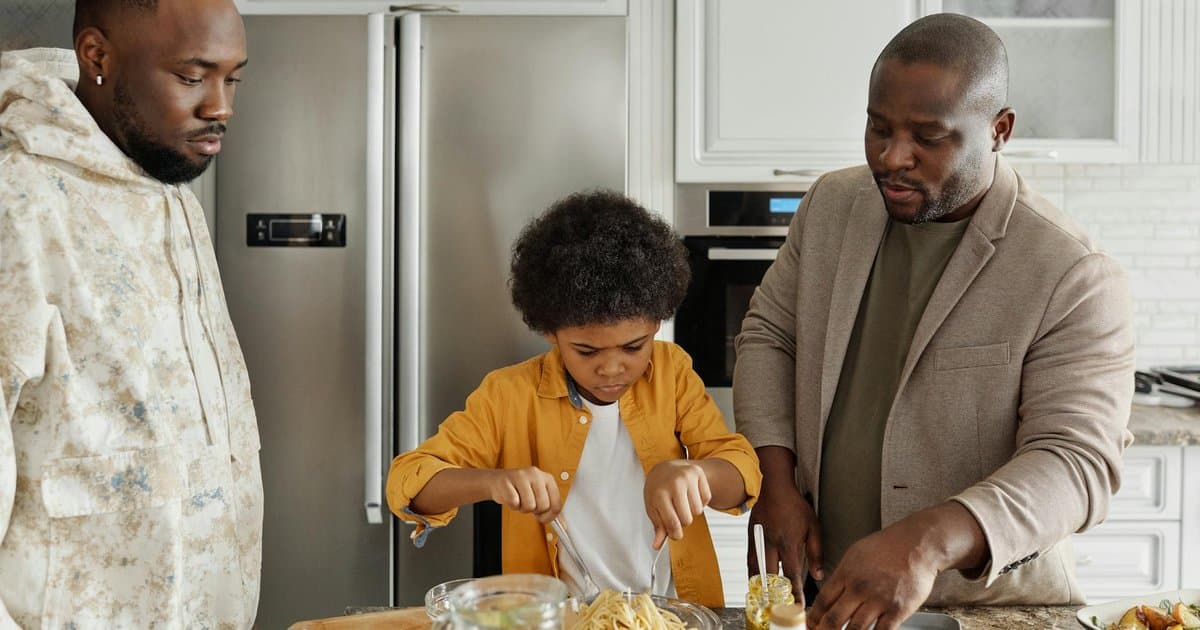
The first non-financial cost is the loss of household rhythm. A kitchen that gets used most nights creates a pattern that shapes everyone in the home. Someone is cooking, someone is setting the table, someone is helping with cleanup. Conversations happen in that hour that do not happen anywhere else, because nobody is on a phone and everybody is in the same room with hands occupied. Families who outsource dinners lose that hour and replace it with takeout containers eaten in front of separate screens. The American Time Use Survey shows that families eating home-cooked meals together average 38 minutes of conversation, while families relying on takeout average 9 to 14 minutes. The difference compounds across a childhood.
The second cost is the loss of practical skill. Cooking a roast chicken, a pot of beans, a pan of vegetables, and a simple sauce are not exotic abilities. They are the floor of self-sufficiency, the things a person should be able to do without thinking. Adults who never cook lose access to these skills, which means they lose the ability to feed themselves cheaply, the ability to host a meal, and the ability to teach their own children. A 2024 report from the Center for Culinary Research found that 41 percent of adults under 35 cannot prepare a meal that does not come from a package or a restaurant. That figure has roughly doubled in 20 years. The arrow is pointed in the wrong direction.
The third cost is the loss of nutritional control. Restaurant food is engineered for taste, repeat purchase, and shelf life. It tends to carry significantly more sodium, sugar, and seed oil than the same dish prepared at home. The dose is small per meal and large per year. The CDC reported in 2024 that adults who eat out five or more times per week consume 47 percent more sodium and 33 percent more added sugar than adults who eat out twice a week or less. The downstream effects show up in blood pressure, weight, and inflammation markers over a decade. Home cooking is not magic, but it gives you the control to use real ingredients in the proportions you want.
The fourth cost is the loss of food culture in the next generation. Children who grow up watching their parents cook learn what real ingredients look like, how they behave under heat, and what a meal costs to prepare. Children who grow up watching their parents order from apps learn that food is something that arrives in a bag with a receipt. The first group is more likely to cook as adults, more likely to eat better, and more likely to teach their own children. The second group will not, because they were never shown how. Culture transmits through repetition and example, and an empty kitchen does not transmit anything.
The fifth cost is the loss of resilience during disruption. Anyone who lived through 2020 watched restaurants close, supply chains buckle, and grocery aisles thin out. The households that already cooked at home adapted quickly. They knew how to substitute, how to stretch, how to feed a family from a pantry of basics. The households that relied on takeout struggled, because the muscle they needed had atrophied. The next disruption will look different, but the underlying lesson holds. Cooking is a baseline life skill, and the people who keep it sharp have options when the convenience economy fails them.
Coming back to home cooking after years away does not require a culinary school enrollment. It requires three or four reliable meals you can put on the table without consulting a recipe, plus a stocked pantry, plus the willingness to make Tuesday night dinner happen even when nobody feels like it. The first month is hard. The second month is normal. By the third month, the kitchen is part of the household again, and the takeout bills start to look strange. The savings show up first, the rhythm comes back next, and the skills follow. None of it requires perfection. It just requires showing up most nights.