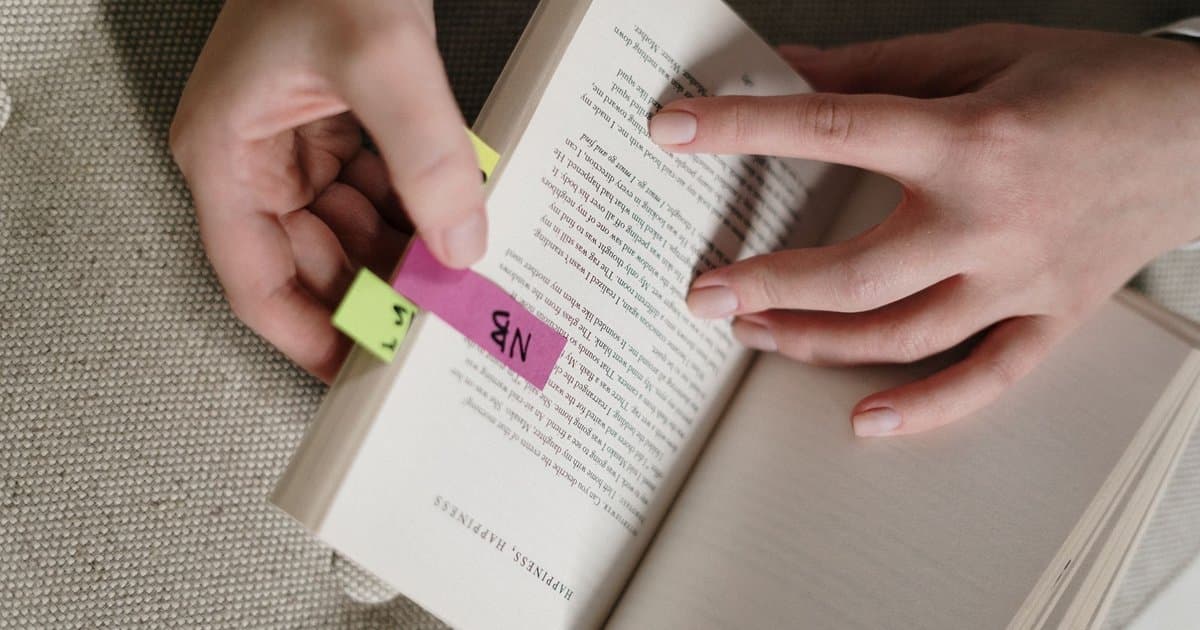
Almost everyone has heard the idea by now. Some people are visual learners. Some learn best by listening. Others need to move and touch before a lesson sticks. Schools have built whole units around this belief. Students lean on it to explain why one class clicks and another falls flat. The claim sounds true, and that is a big part of why it spreads so fast.
Here is the part that catches people off guard. When researchers test the claim head on, it comes apart in their hands. The theory makes a clear bet. A visual learner should score higher when taught with pictures. An auditory learner should score higher when taught with sound. That bet is testable, and teams have run the test many times. The match between a person's stated style and the teaching method does not raise how much they learn.
One widely read review from 2008 went looking for hard proof and found almost none. The authors were careful memory scientists, not people with an axe to grind. They wrote that the popular belief and the thin research behind it did not line up. Since then, fresh studies have landed in the same spot. Belief among teachers and students stayed very high. The proof under it stayed very low.
So why does the idea feel so right? Part of it is that people really do have preferences. You might enjoy a chart more than a lecture, and that is fine. Enjoying something is not the same as learning it better, and that gap is the whole trap. A preference is about comfort in the moment. Learning is about what your brain can store and pull back a week later. Those two things can point in different directions, and they often do.
There is a deeper reason the myth holds on. It hands us a clean story for why school feels hard. If a child struggles, it is easy to say the teacher used the wrong style. That answer feels kinder than the others on the table. The catch is that it can quietly lower the bar. A kid tagged as a hands on learner may start to dodge reading, sure it is not for them. The label turns into a wall instead of a door.
What truly helps is not tied to any single style. Spacing your practice across several days beats one long cram. Quizzing yourself pulls a memory back far better than reading the page again. Mixing related topics in one sitting builds sharper recall than doing them in blocks. Saying an idea out loud in your own words locks it in place. None of these depend on being a visual or auditory type. They work across the board, for nearly every learner. Best of all, they cost nothing but attention and a bit of planning. Anyone can start using them today, no label required. The only thing standing in the way is the old habit of blaming the wrong cause.
The strongest teaching also uses more than one channel at once. A good lesson pairs a clear picture with plain speech and a chance to practice. That is not about sorting students into boxes by type. It rests on a simpler fact about the material itself. Most subjects have parts that are better shown, parts that are better said, and parts that are better done. A map is visual by nature. A song lives in sound, and a lab lives in the hands.
It helps to know where this myth tends to show up in real life. You will see it in slick online quizzes that promise to name your type in five quick questions. You will hear it in study tips that tell you to pick one format and skip the rest. Some courses and products still sell the idea as if it were settled fact. When you meet those claims now, you can pause and ask one simple thing. Where is the proof that matching the method actually raises the score? Once you start looking for that proof, you notice how rarely anyone offers it. The belief survives on repeat telling, not on real results. That alone is a good reason to hold it loosely and lean on what works instead.
So drop the box and keep the effort. If you are studying, test yourself before you feel ready and spread the work across the week. If you are teaching, show the thing, say the thing, and then let people try the thing. The honest news here should feel like a relief. You are not locked out of any subject by some fixed type you were handed. The tools that build real learning are open to all of us, and they work no matter which style you once claimed.