Most people think food safety is about whether something smells bad or looks off. That instinct fails you more often than you would expect, because the bacteria that make you sick usually do not change how food tastes, looks, or smells. The real mistake happens in the hours after the meal is cooked, when a pot of food sits on the stove or counter cooling slowly while everyone relaxes. That stretch of time is where the trouble starts, and it is the single most common leftover error in home kitchens. The food that gives you food poisoning often looked and smelled completely normal when you ate it the next day. Understanding why changes how you handle every batch of leftovers you make.
The core idea is something food scientists call the danger zone, the temperature range roughly between forty and 140 degrees Fahrenheit where bacteria multiply fastest. When you cook food, the heat kills most of what is living in it. But as it cools back down through that range, any bacteria that land on it from the air, a spoon, or your hands can start doubling quickly. The longer food spends in that zone, the more they multiply, and some of them produce toxins that ordinary reheating will not destroy. That last part is the piece people miss. You can reheat last night's rice until it is steaming and still get sick, because the heat kills the bacteria but leaves behind the toxin they already made while the food sat out.
The general rule that food safety agencies repeat is simple. Perishable food should not sit at room temperature for more than two hours, and if the room is hot, around ninety degrees or above, that window shrinks to one hour. After that, you are gambling. This is why the buffet that sat out all afternoon at a gathering is riskier than it looks, and why the pot of chili you left on the stove overnight should go in the trash no matter how fine it seems. The clock matters more than your nose. Two hours is the line to remember, and once food crosses it at room temperature, the safe move is to throw it out rather than hope.
Cooling is the other half of the problem, and it trips people up because of a common myth. Many of us were taught to let food cool completely on the counter before putting it in the fridge, out of fear that hot food will raise the refrigerator temperature. The opposite is the safer approach. A large pot of hot soup or a deep dish of rice cools so slowly in the center that it can sit in the danger zone for hours even on the counter. The better method is to break big batches into smaller, shallow containers, which lets the heat escape quickly, and then get them into the fridge while they are still warm. Spreading food out so it cools fast is one of the most effective things you can do to keep leftovers safe.
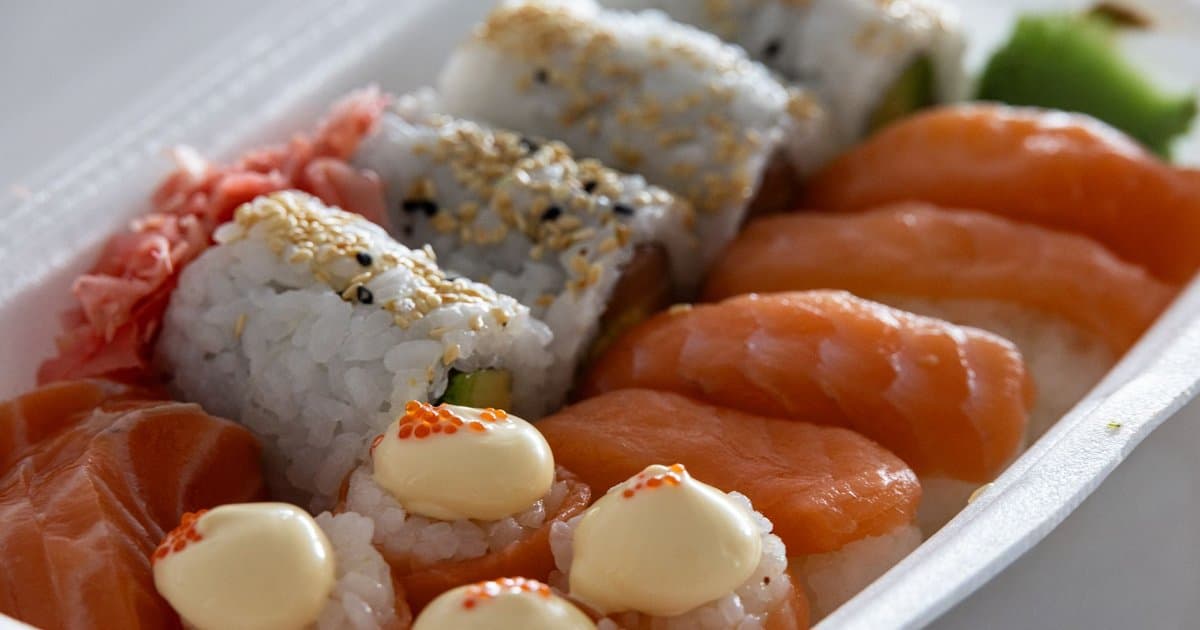
Certain foods deserve extra caution because they are common culprits. Cooked rice and pasta can carry a bacterium that survives cooking as a spore and then produces a toxin if the food is left out, which is why reheated rice is a frequent cause of food poisoning. Poultry, seafood, eggs, and dishes made with them spoil faster than most people assume. Cut fruits and cooked vegetables that sit out also belong in this group. None of these will necessarily warn you with a smell. The safe habit is to treat anything in these categories with the two-hour clock and the fast-cooling method, and to be especially strict when you are cooking for young children, older adults, or anyone with a weaker immune system, since the stakes are higher for them.
The good news is that protecting yourself does not require special equipment or a food science degree. Keep your fridge at or below forty degrees, use a cheap thermometer to confirm it, and divide big batches into shallow containers so they chill fast. Set a mental timer when food comes off the heat and get it put away within two hours. When you reheat, bring leftovers all the way back to steaming hot rather than just warm. And when you are not sure how long something sat out, accept the small loss and throw it away, because the cost of a wasted meal is nothing next to a night spent sick. It also helps to label containers with the date they went in the fridge, since most cooked leftovers are best used within three to four days and the memory of when you made something fades faster than the food does. When in doubt about age, the same rule applies as with time on the counter, which is that the cost of tossing it is far smaller than the cost of a sick household. The mistake that makes people sick is almost never bad luck. It is time and temperature, and both are fully in your control.