Walk into most college lecture halls and the sound is keyboards. Students type because typing is faster, and faster feels obviously better when a professor is moving quickly and the slides are dense. The assumption underneath is that a notebook is a container, and the fuller the container the more you have. That assumption is where the trouble begins. A stack of research going back more than a decade suggests that the speed advantage of a laptop is exactly what undermines it, and that students who write by hand often understand the material better while recording less of it.
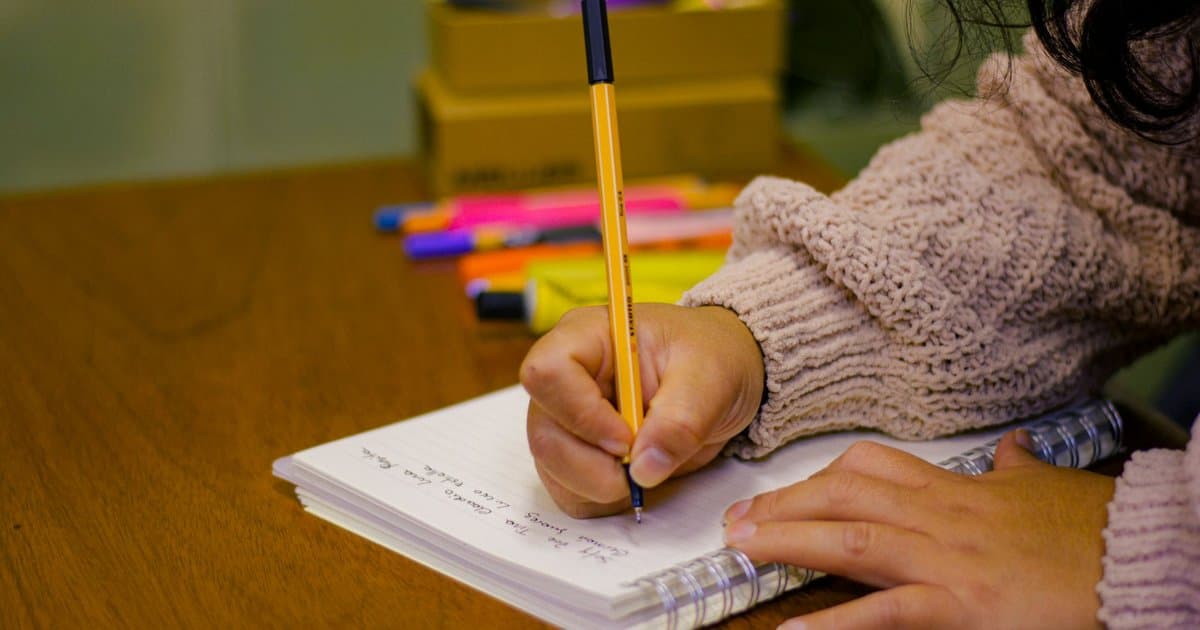
The mechanism is not complicated. When you can type nearly as fast as a lecturer talks, you can transcribe without processing. The words move from ear to fingers with very little happening in between, which feels productive and produces notes full of sentences you have never actually thought about. Handwriting is too slow for that. A person writing longhand has to decide in real time what matters, compress an idea into fewer words, and choose what to leave out. Those decisions are the learning. The notes are a byproduct of a process that already did the work. Ask a student who typed to explain the lecture without looking and you often get a blank, while a student with half a page of messy handwriting can usually reconstruct the argument. Fewer words on the page and more of the material in the head is the trade being made.
The most cited study on this compared students who typed with students who wrote longhand and found the typists reproduced more verbatim content while performing worse on questions that required applying a concept. That specific finding has had a mixed record in replication attempts, and honest coverage of the research should say so. What has held up more consistently is the underlying pattern. Verbatim transcription predicts weaker comprehension regardless of the tool, and the more closely a student's notes match the speaker's exact words, the less they tend to retain about the ideas behind them.
There is a second problem with laptops that has nothing to do with note quality, and the evidence on it is much stronger. Open laptops connect to everything else. Studies that tracked actual screen activity during class found students switching to unrelated sites for a substantial share of the period, and their exam scores dropped in proportion to the time spent doing it. The effect extended to students sitting nearby with a view of the screen, who scored lower than classmates without one. A student can be disciplined about their own machine and still lose points to somebody else's. Notifications make it worse, because a message preview pulls attention for far longer than the second it takes to read, and the cost of returning to the thread of a lecture is paid every time. A phone face down in a bag is the cheapest study upgrade available.
The contrarian part is that going fully analog is not the answer either. Some material genuinely favors typing. Dense figures, code, long chemical or mathematical strings, and anything you will need to search later belong in a file. Students with certain disabilities need a keyboard, and taking that away in the name of a research finding does harm. The useful version of this is a mixed approach. Handwrite during the lecture, where the compression is doing the teaching, and type afterward when you are reorganizing, adding sources, and building something searchable for the exam.
That second pass turns out to matter as much as the first. Notes that are never revisited do almost nothing for retention no matter how they were taken. Rewriting handwritten notes into a typed outline within a day forces you to encounter the material a second time and reveals the gaps where your in class shorthand no longer makes sense. Reading through the material and answering questions from memory before checking, rather than rereading it, produces substantially better recall than any note taking method by itself. The tool is a smaller variable than what happens in the twenty four hours after class.
For parents and teachers deciding policy, the reasonable position is neither a ban nor a shrug. Ask students to handwrite during instruction as the default, allow exceptions without requiring an explanation, and be specific about why rather than framing it as a preference for the old way. High school students who hear the reasoning tend to accept it better than those handed a rule. Then build the second pass into the class itself, ten minutes at the end for students to summarize the session in their own words without looking. That habit outlasts the argument about laptops, and it is the part that actually shows up in the grade. It also costs nothing to try for a single unit before deciding whether it works.