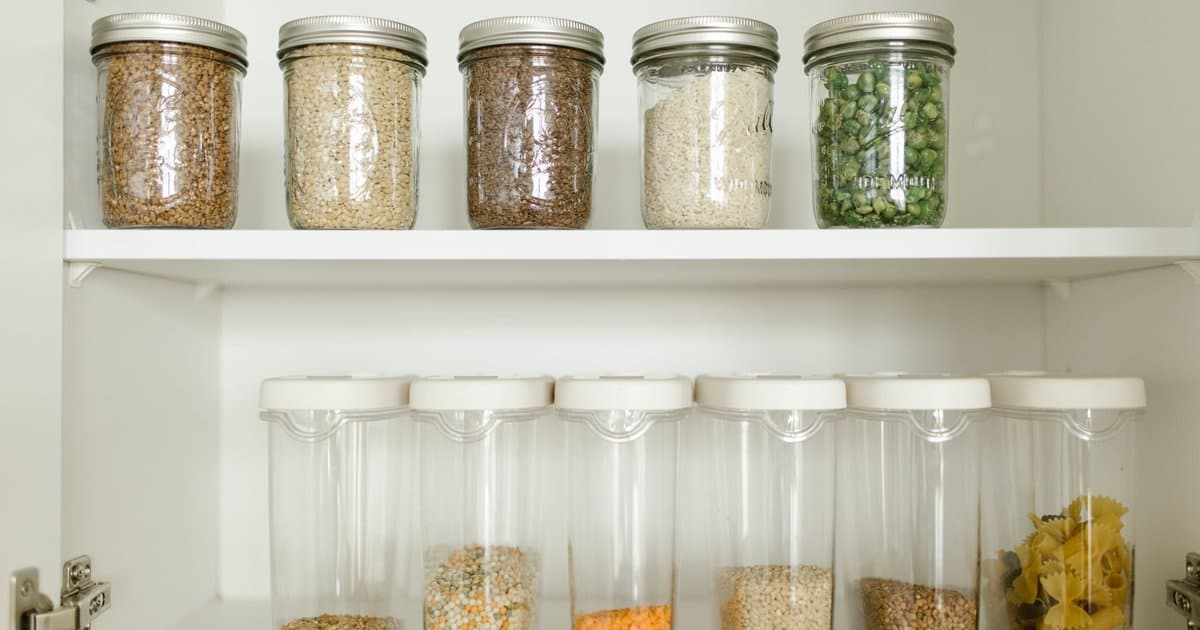
Anybody who has packed up a kitchen knows how much half-used food gets tossed every time you change addresses. Half a bag of flour with weevils. A jar of cumin you opened in 2022 that smells like dust. The rice in the back of the cabinet that you cannot remember buying. The waste adds up in dollars and in the slow guilt of seeing how much you bought without thinking. There is a smarter way to stock a small pantry, built around items that hold up for years if you store them right. You buy them once, you keep them sealed, and they outlast almost every other thing in your kitchen.
White rice is the first one. Stored cool and dry in a sealed container, white rice will hold for twenty-five to thirty years without losing nutrition or taste. Brown rice does not get this treatment because the oils in the bran go rancid in about eighteen months. If you want long-term staples, pick the white version and keep it in a five-gallon bucket or food-grade Mylar bag with an oxygen absorber. Most preppers and food storage groups put this on their list first for a reason. It is the cheapest calorie-dense base on earth, and it does not care how long it sits.
Dried beans are next, and the rule is similar. Pinto, black, navy, kidney, garbanzo, all stored sealed and cool, will hold quality for ten to fifteen years and stay safe to eat much longer than that. After about five years they take longer to cook and they need a soak before they soften, but they still feed you. A pound of dried beans costs less than two dollars and yields six to seven cups cooked. Beans pair with rice to make a complete protein, which matters if you ever face a tight grocery week. Stack a dozen pounds in the back of a closet and you have months of protein for the cost of a single takeout order.
Honey never spoils when it is sealed. Archaeologists have found edible honey in Egyptian tombs older than three thousand years. The high sugar content and low water activity make it inhospitable to bacteria, which is why a jar in your pantry will outlive any timeline you might have for it. Buy raw if you can find it locally. Tennessee honey from a farmers market costs more than the squeeze bear at the grocery store, but it carries actual flavor and the crystallization that proves it has not been cut with corn syrup. Crystallized honey is still good. Set the jar in warm water and it returns to liquid in a few minutes.
Salt is the fourth one and the most overlooked. Plain non-iodized salt, kept dry, lasts indefinitely. Iodized salt loses its iodine over time but the salt itself remains useful for cooking and preservation. A few pounds of kosher or sea salt in your pantry costs almost nothing and gives you the ability to brine, cure, ferment, or just season properly when you cook. People who fail at long-term storage usually forget this one. They stock calories without thinking about how to make those calories taste like food.
White vinegar comes next. It does not spoil, it cleans your kitchen, it pickles vegetables, and it deglazes a pan when you have nothing else. A gallon costs three or four dollars and stays sharp for years. Apple cider vinegar lasts almost as long if you leave the mother in it, and the slight cloudiness is normal. Pair vinegar with salt and you can preserve cucumbers, onions, peppers, or carrots without canning equipment. A quart jar of homemade quick pickles in the fridge holds for months and turns into a side dish for almost any dinner. If you cook beans regularly, a splash of vinegar at the end of the pot brightens them in a way nothing else does.
Hard wheat berries and rolled oats round out the list. Sealed in a Mylar bag with an oxygen absorber, both can hold for twenty years or more. Wheat berries grind into flour as you need it, which means you avoid the rancidity problem that hits any pre-ground flour after six to twelve months. Rolled oats give you breakfast, baking, and a thickener for soups. If you have these seven items stocked, you can cook a real meal even when your fridge is empty. That is what a pantry is supposed to do, and most people forget it.