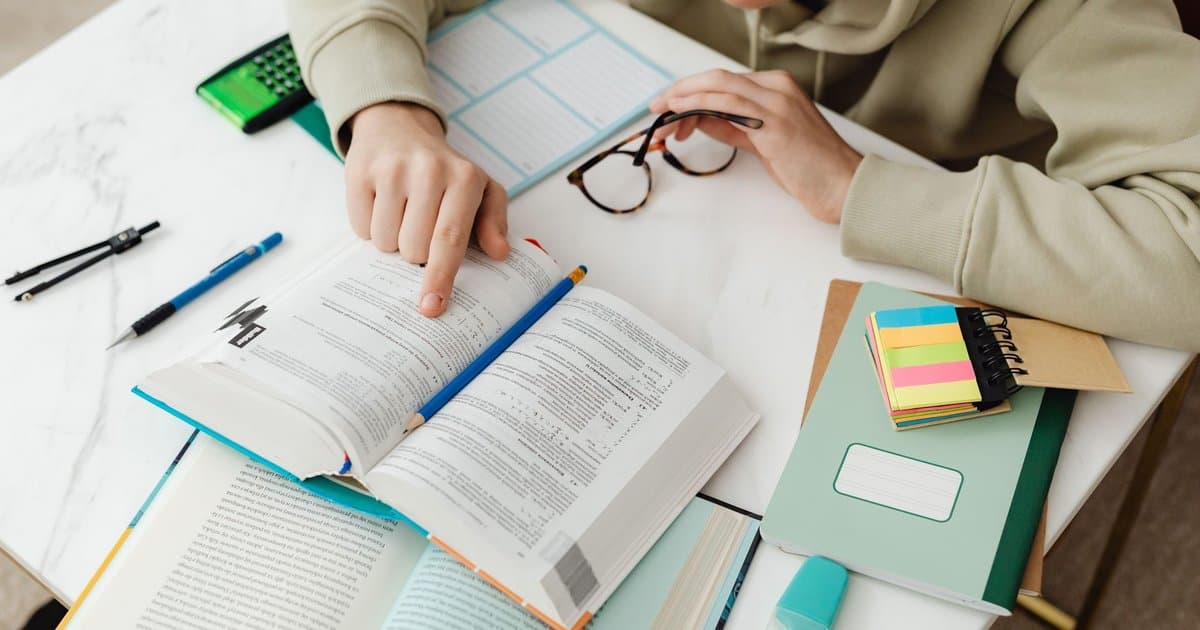
Most people study the same way they were taught to as kids, which is to read the chapter, then read it again, maybe with a highlighter for company. It feels like work because your eyes are moving and the pages are turning. The problem is that rereading mostly builds familiarity, not memory. The words start to feel known, and that feeling gets mistaken for actually knowing the material. Then the test comes, the page is gone, and the familiar words are nowhere to be found. Learning research has spent decades on this, and the same handful of methods keep beating rereading by a wide margin. Here are five of them.
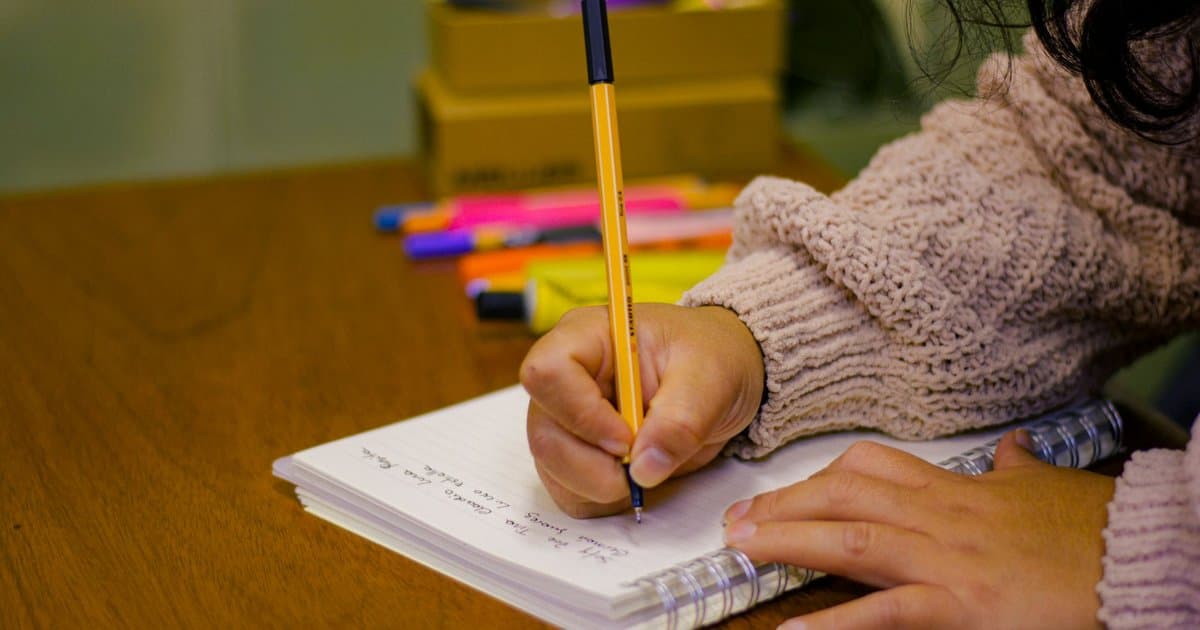
The first is retrieval practice, which is the plain act of closing the book and trying to pull the information out of your own head. This is the single most reliable upgrade you can make. Instead of looking at the answer, you force yourself to produce it, even badly, and even when you are not sure. The struggle to remember is what strengthens the memory, the same way a muscle grows under load and not under rest. Flashcards work for this reason, but so does simply writing down everything you remember from a chapter before you check what you missed. The discomfort of blanking on something is not failure. It is the exact moment the learning happens.
The second is spaced practice, which means spreading your studying across several days instead of cramming it into one long night. Your brain treats information it sees once and forgets as unimportant, and information it has to recover after a gap as worth keeping. A short review on Monday, another on Wednesday, and another on Saturday will outlast a four hour marathon every time. Cramming can get you through a quiz the next morning, but most of it is gone within a week. Spacing trades that quick illusion for memory that actually sticks around. The calendar, not the clock, is the tool that matters here.
The third is interleaving, which sounds technical but just means mixing up what you study instead of doing one topic to death before moving on. If you are learning math, you do a few problems of one type, then a few of another, then circle back, rather than grinding thirty identical problems in a row. Blocked practice feels smoother because you settle into a rhythm, but that smoothness is the trap. Mixing forces your brain to figure out which approach a problem needs, which is the real skill you will need on the test and in life. It feels harder and messier in the moment, and that is precisely why it works better.
The fourth is self explanation, where you stop after each idea and ask yourself why it is true and how it connects to what you already know. Reading a sentence is passive, but explaining it back in your own words is active, and only the active version builds understanding you can use later. Pretend you have to teach the concept to a younger sibling who keeps asking why. If you cannot explain it simply, you have found the exact spot where your understanding is thin. That gap is useful information, because now you know where to look again instead of rereading the parts you already knew.
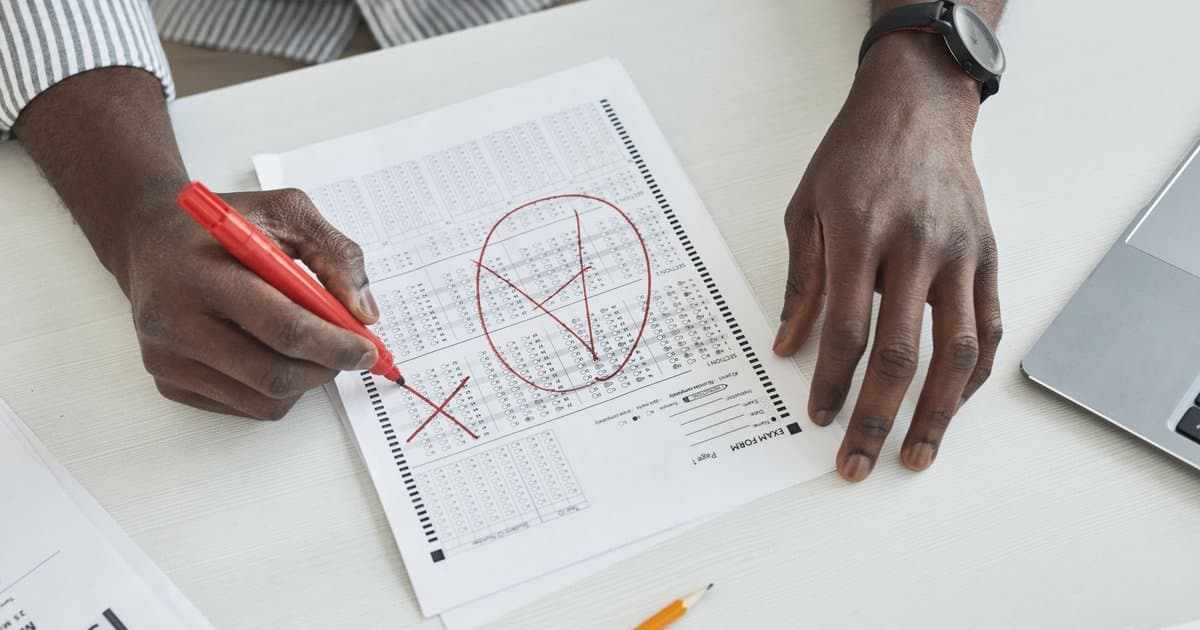
The fifth is practice testing under realistic conditions, which means doing problems the way you will have to do them when it counts. No notes open, no pausing to peek, and a timer if the real thing has one. Most students avoid this because it exposes what they do not know, and exposure is uncomfortable. But a wrong answer found three days before the test is a gift, and a wrong answer found during the test is a grade. Treat practice tests as diagnostic tools rather than performances, and the nerves on the real day shrink because you have already been there. The first time you sit a real test should not be the first time you sit a test at all.
None of these methods feel as comfortable as rereading, and that is the whole point. It also helps to combine them rather than treating them as a menu to pick one item from. A flashcard session uses retrieval, and spreading those sessions across the week adds spacing, and shuffling the deck adds interleaving, all at once. The methods stack, and stacking them is far stronger than leaning on any single one. Comfort and learning rarely happen at the same time, because real learning involves effort, error, and the small sting of not knowing yet. Rereading offers a clean, calm feeling of progress that mostly evaporates by morning. Retrieval, spacing, interleaving, self explanation, and practice testing all feel harder while you do them and pay off long after you stop. If you only change one habit, make it the first one and close the book more often. The rest builds from there, and the hours you already spend studying will finally start returning what you put into them.