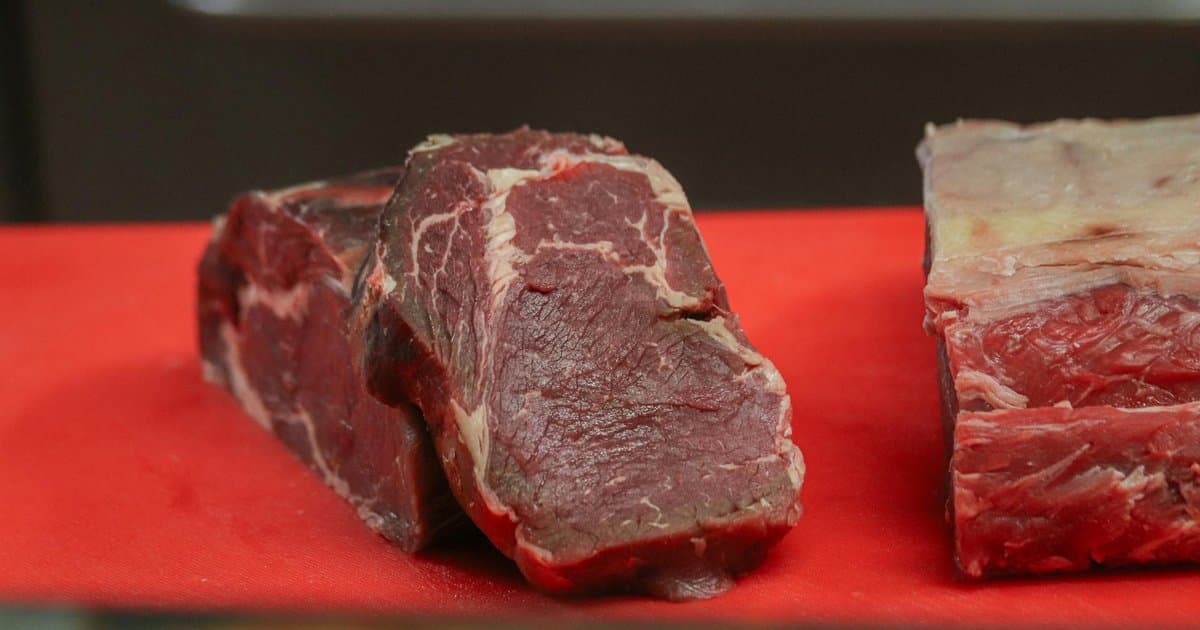
Ribeye sells the picture on the menu and it has earned the spot. There is fat in the right places and forgiveness if you overcook it by a minute. There is also a ceiling on what you get for the money, especially as prime grade ribeye drifts past 28 dollars a pound at the grocery store in most of the South this spring. If you are cooking for more than two people on a regular basis, the math stops working. The five cuts below cost less, taste better when handled correctly, and reward a small amount of technique with a much higher quality dinner.
Number one is the denver steak. It comes from the chuck section, runs about 12 to 16 dollars a pound depending on the butcher, and has the marbling profile of a ribeye without the ribeye price. The catch is that it is sold in two long muscles that need to be trimmed of a thin silver skin before cooking. Most grocery stores will do this for you if you ask. Sear it hot, three minutes per side for a steak around an inch thick, rest five minutes, slice against the grain. It eats like a 32 dollar restaurant steak for half the cost.
Number two is the picanha, also called the top sirloin cap. Brazilian steakhouses built their reputation on it. A whole picanha runs three to four pounds and costs 9 to 13 dollars a pound at warehouse clubs and most Latin grocers. Keep the fat cap on. Score it lightly so the heat penetrates. Cook it whole over indirect heat to 125 internal, then slice into thick steaks and sear the cut faces. The fat renders into the meat as it rests. You will feed six people for the price of two ribeyes.
Number three is the flat iron. This was a butcher secret for years until the meat industry figured out how to remove the seam of gristle that runs through the shoulder muscle it comes from. Now it shows up at most chain grocers for 11 to 15 dollars a pound and ranks in the top three cuts by tenderness in USDA testing. Cook it on high heat to 130 internal, rest seven to ten minutes because it holds heat aggressively, slice thin. It works for fajitas, steak salads, and a clean center of the plate dinner with nothing more than salt, pepper, and butter.
Number four is the bavette, sometimes labeled sirloin flap or flap meat. This is the cut steakhouses chop into the rice on hibachi nights and the cut nice French bistros call onglet adjacent. It runs 10 to 14 dollars a pound and has a heavy grain that demands you slice perpendicular to it after cooking. Marinate it for two hours in soy, ginger, garlic, and a splash of acid. Sear hot for two minutes a side. Slice thin. The texture is firmer than a tenderloin and the flavor is twice as deep for a quarter of the price.
Number five is the chuck eye steak, often called the poor man's ribeye because it is cut from the same long muscle that becomes the ribeye, just one rib over. It costs 8 to 11 dollars a pound and there are only two of them on each animal, which is why your butcher case may not have them every day. Ask. They will set some aside if you tell them what day you cook. Same technique as a ribeye, same rest time, same finish. The only difference is a slightly tougher edge that disappears if you slice it against the grain.
Two notes on technique apply to all five cuts. First, dry the surface of the meat before it touches the pan. Pat it with a paper towel, salt it heavily, let it sit uncovered in the fridge for at least 40 minutes. A dry surface browns. A wet surface steams. Second, rest every steak for at least five minutes after cooking before you cut into it. The juices that pour out when you slice too soon are juices that should be inside the steak when it hits the plate.
The ribeye is not a bad steak. It is an expensive one that has marketed itself well enough that most home cooks default to it without considering the alternatives. The five cuts above will save you somewhere between 12 and 22 dollars per dinner depending on your market, and the people you cook for will not be able to tell the difference once they are eating. Try one this week. The cost of switching is a question to the butcher and ten minutes of technique. The savings stack up across the year into a meaningful number.