The advice to eat more protein has been around so long it has lost meaning. Most people hear it, nod, and keep eating the way they always have. The number that actually matters is thirty grams per meal, three times a day at minimum, and the difference between hitting that number and missing it shows up in muscle, hunger, energy, and recovery within a month. Once you understand why thirty is the floor, you stop guessing and you start eating with intent.
The number comes from research on muscle protein synthesis, the process by which your body takes amino acids from food and assembles them into tissue. Studies from the University of Texas Medical Branch and McMaster University in Canada have shown that this process responds to a threshold of leucine, the amino acid that flips the switch on the building machinery. You need roughly two and a half to three grams of leucine in one sitting to activate it. That works out to about thirty grams of high quality protein from animal sources, or thirty five to forty grams from most plant sources, since plant leucine content runs lower per gram of protein.
Below that threshold the meal still feeds you, but it does not signal your body to build. Two meals at twenty grams of protein each do not equal one meal at forty grams. They equal two missed signals. People who spread their protein evenly across breakfast, lunch, and dinner at thirty grams per meal build and retain more lean mass over time than people who eat the same daily total but pile it onto one large dinner. The finding has been replicated in older adults, athletes, and ordinary working people across multiple controlled feeding studies.
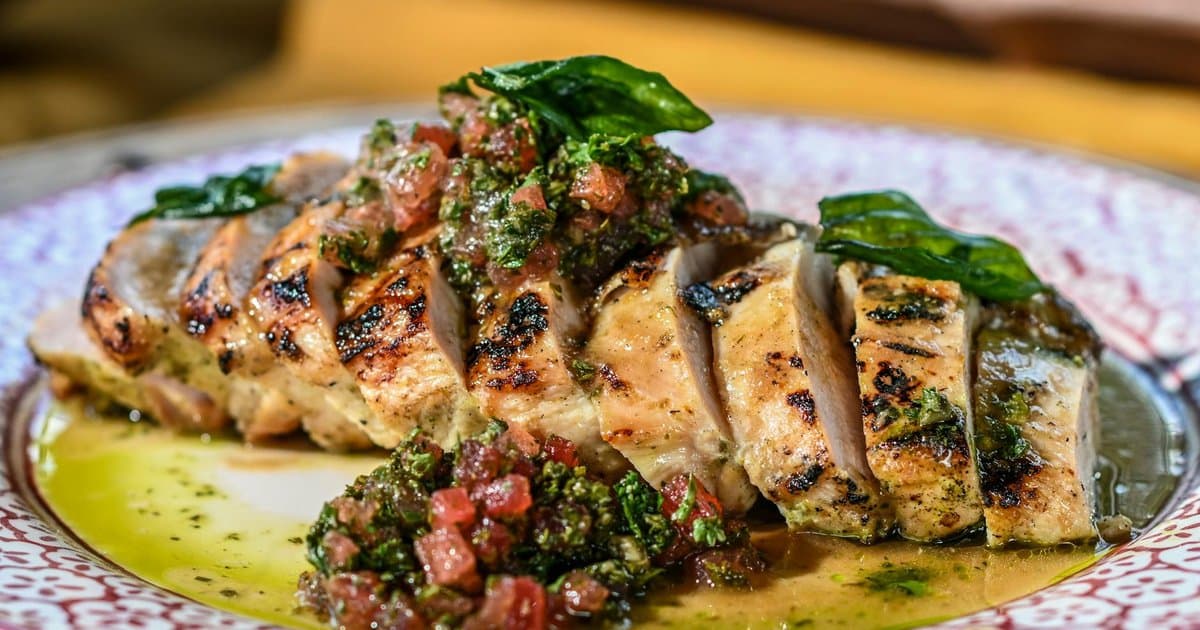
Thirty grams sounds like a lot until you map it onto real food. Four large eggs plus a slice of cheese gets you there at breakfast. A chicken thigh and a cup of Greek yogurt clears it. A can of tuna mixed with cottage cheese on toast hits the number. A six ounce salmon fillet does it in one piece. A protein shake with whey and milk hits it in two minutes. The hardest meal is breakfast, where the typical American plate of toast, cereal, granola, or pastries delivers somewhere between three and eight grams of protein and leaves the building signal cold all morning.
Hunger is the second place this number shows up. A meal that crosses the protein threshold produces a stronger satiety signal through hormones like peptide YY and GLP one, the same family of hormones the new weight loss medications mimic. People who anchor each meal in protein report fewer cravings, longer gaps between meals, and far less mindless evening eating. The drift to chips or sweets at nine PM is often the downstream effect of an underproteined lunch, not a lack of willpower.
Energy and steady blood sugar are the third payoff. Protein blunts the blood sugar spike from carbohydrates eaten at the same meal. A bowl of oatmeal by itself hits the bloodstream like a sugar bomb. The same oatmeal with two scoops of Greek yogurt or two eggs on the side delivers steadier energy for hours. The mid afternoon crash that drives people to a second coffee or a candy bar is often a protein problem dressed up as a caffeine problem. Fix the breakfast and lunch and the three PM slump often disappears without changing anything else.
The cost question is real. Animal protein is more expensive per gram than rice or pasta, and grocery inflation over the past three years has hit the protein aisle the hardest. The cheapest reliable sources are eggs at roughly thirty cents per six grams of protein, canned tuna at about ninety cents per twenty grams, bulk chicken thighs at around three dollars per pound for forty grams of protein, and large tubs of plain Greek yogurt at about a dollar per twenty grams. A week of thirty per meal eating at home runs forty to seventy dollars per person for the protein line alone, more if you lean on steak or salmon.
The tradeoffs are worth naming. People with kidney disease should not chase high protein without medical guidance. Most everyone else with normal kidney function tolerates one gram per pound of target body weight per day with no measurable harm, a position now backed by the International Society of Sports Nutrition and several long term reviews. The old worry about protein damaging healthy kidneys came from research on people who already had kidney damage, and the finding does not transfer to healthy adults. Hit thirty at breakfast, hit thirty at lunch, hit thirty at dinner, and watch six weeks change what the rest of your life feels like.