Most people who start making video chase the wrong upgrade first. They save for a better camera, a sharper lens, a second body, more light. The footage gets prettier, the colors get richer, and the viewer still leaves in the first ten seconds. The reason is almost never what the creator thinks. Audiences will forgive a soft image, a slightly dark room, or a shaky handheld shot far longer than they will tolerate bad sound. Muddy, echoey, hissy audio reads as amateur on a level the brain registers before it can even put words to it. You can have a beautiful frame, but if the voice in it sounds like it was recorded inside a tin can, people feel the work is unfinished and they move on.
There is a reason for this that goes deeper than preference. Hearing is a threat detection system. When sound is unclear, the brain has to work harder to fill in the gaps, and that extra effort registers as discomfort. The viewer may not consciously think the audio is bad. They just feel that something is off, that the content is hard to stay with, and they scroll away without diagnosing why. Clean audio does the opposite. It feels effortless, trustworthy, and professional, and it lets the actual message land without friction. This is why a phone video with a good microphone often outperforms a cinema camera with the built in mic doing all the work.
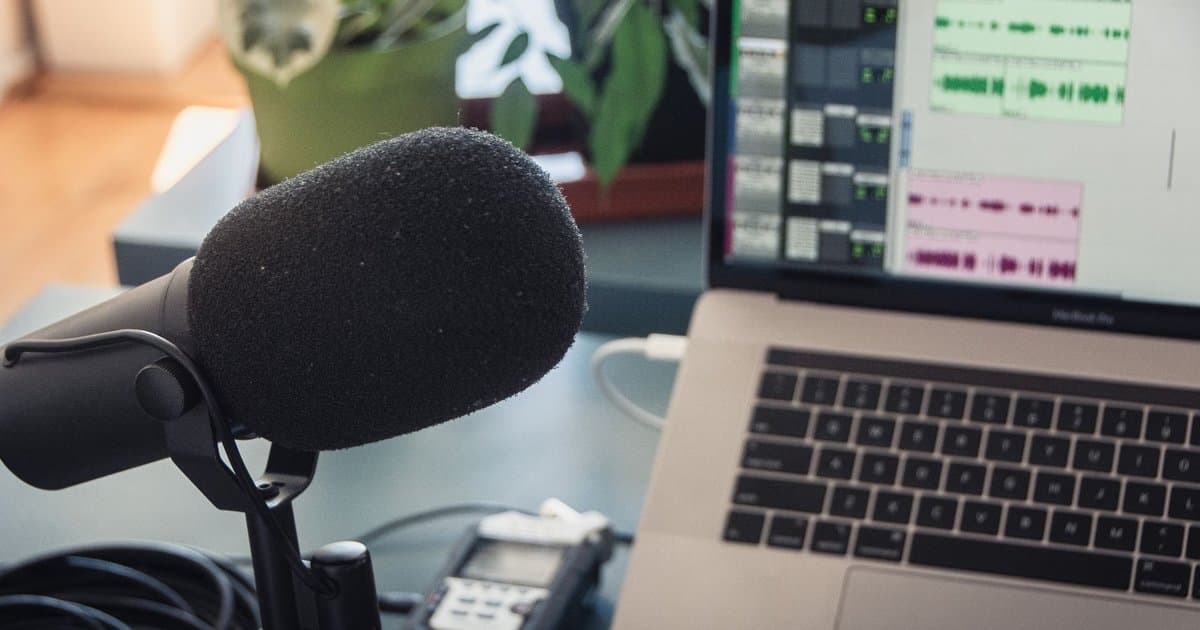
The single biggest fix is also the cheapest. Get the microphone close to the mouth. Sound falls off fast with distance, and the on camera mic sitting three feet away picks up the whole room before it picks up the person. A small clip on lavalier, a shotgun mic on a boom just out of frame, or even a wired earbud style mic tucked under a collar will beat an expensive camera mic every time, simply because it is near the source. Distance is the enemy. Halving the gap between the mic and the mouth does more for clarity than any plugin or post production trick you can buy later.
The second fix is the room, and it costs nothing. Hard, empty rooms bounce sound, and that bounce is the echo that makes home recordings feel hollow. Bare walls, tile floors, and big windows are the worst offenders. The cure is soft surfaces. A room with a couch, a rug, curtains, a bookshelf, and some clothes hanging up will sound dramatically tighter than an empty office with a desk and a blank wall behind you. Recording in a closet full of hanging clothes is a real technique that professionals use on the road because the fabric absorbs the reflections. You do not need foam panels glued to the wall. You need stuff in the room.
The third thing creators skip is monitoring while they record. Plenty of people set up a mic, hit record, talk for twenty minutes, and only discover during editing that there was a buzz, a dropout, or a clipping problem the entire time. By then the moment is gone and it cannot be recreated. Wearing a pair of headphones plugged into the camera or recorder while you shoot lets you hear exactly what is being captured. You catch the air conditioner you stopped noticing an hour ago, the fridge hum, the traffic, the phone buzzing on the desk. Two minutes of listening before the real take saves hours of frustration and often saves the shoot entirely.
Levels matter just as much as the mic. Audio recorded too quiet forces you to crank it up later, and cranking it up brings all the background hiss up with it. Audio recorded too loud clips, which is the harsh distortion that cannot be undone. The target is a strong, healthy level that peaks well below the maximum, leaving headroom so a sudden laugh or raised voice does not blow out. Set this before you start, watch the meters during the take, and you will spend far less time fighting noise in editing.
The frustrating truth for anyone who already spent the money is that the gear hierarchy most people follow is backward. Camera first, audio last, is exactly the order that produces work people click away from. Flip it. A modest camera with genuinely clean, close, well monitored sound in a soft room will hold an audience longer than a flagship camera feeding a distant built in mic in an empty hall. Viewers came for what you have to say. If they cannot comfortably hear it, none of the visual polish gets a chance to matter. Fix the sound, and suddenly the camera you already own looks a lot more capable than you thought.