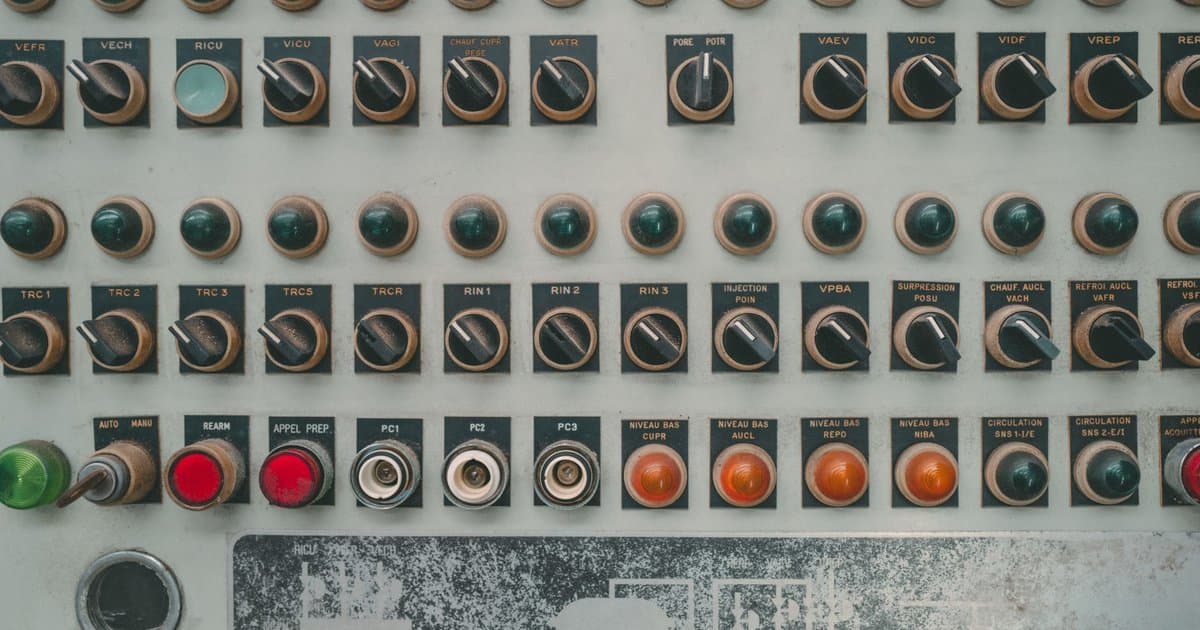
You press dozens of buttons on an ordinary day without a thought. The elevator, the crosswalk, the thermostat at the office all ask for a tap. You assume each press sends a signal that does something real. A lot of the time, that assumption is simply wrong. Many of the buttons in daily life are not wired to anything at all. They have a name among the people who install them. They are called placebo buttons, and they are more common than you think.
Start with the close door button in most elevators. In many buildings it does nothing at all for a regular rider. Rules meant to protect people with disabilities require the doors to stay open a set time. That timing cannot be cut short by one impatient passenger. The button often still works for firefighters or technicians using a special key. For everyone else it is a dead switch dressed up to look like control. You can jab it all you like and the doors will close on their own schedule.
Crosswalk buttons tell a similar story in a lot of cities. Many were wired to signals that later switched over to automatic timing. Once a computer runs the lights on a fixed cycle, the button has no job left. Rather than rip them out, cities often just leave them in place. In some large downtowns the majority of them do nothing at all. The walk sign will change whether or not you ever touch it.
Office thermostats hide the same trick more often than workers know. Some buildings run heating and cooling from one central system. To cut down on constant complaints, a few install dummy thermostats on the wall. Workers can set them to any number they like all day. The dial turns, a click sounds, and nothing actually changes in the vents. The temperature was decided somewhere else the whole time.
The obvious question is why anyone bothers keeping them around. The answer is about feelings, not about wiring. Pressing a button gives a person a sense of control over the wait. That feeling of control makes the same delay much easier to bear. Someone who taps the crosswalk button waits more calmly than someone who cannot. The button buys patience even when it buys nothing else at all.
Researchers have studied this quirk of the mind for years. The sense of control lowers stress even when the control is not real. People report less frustration when they can act on a situation. The action does not have to change the outcome to change the mood. A tap, a click, and a small feeling of agency go a long way. Our brains reward the effort itself, not just the result.
This is not proof that every button around you is a lie. Plenty of them work exactly as you expect them to. Crosswalk buttons in smaller towns often do control the light. Older elevators and private buildings may have live close door buttons. The catch is that you usually cannot tell the difference by pressing. A working button and a dead one feel and sound the same to your hand.
So a surprising share of your daily taps are quiet theater. They are built to manage how you feel, not to run a machine. That may sound like a con, but the intent is mostly kind. A calmer crowd and a patient rider are easier and safer to manage. Still, it is a strange thing to sit with once you finally know. Half the buttons around you might be waiting to do nothing at all.