The complaint is almost universal. Somebody calls for help, and instead of hearing sirens, they get a calm voice asking for an address, a callback number, an age, and whether the person is breathing. It feels like paperwork during a fire. Callers yell, hang up, or beg the voice to stop talking and send someone. The frustration makes sense from inside the worst moment of your life. It also rests on a picture of how the room works that is wrong in almost every detail.
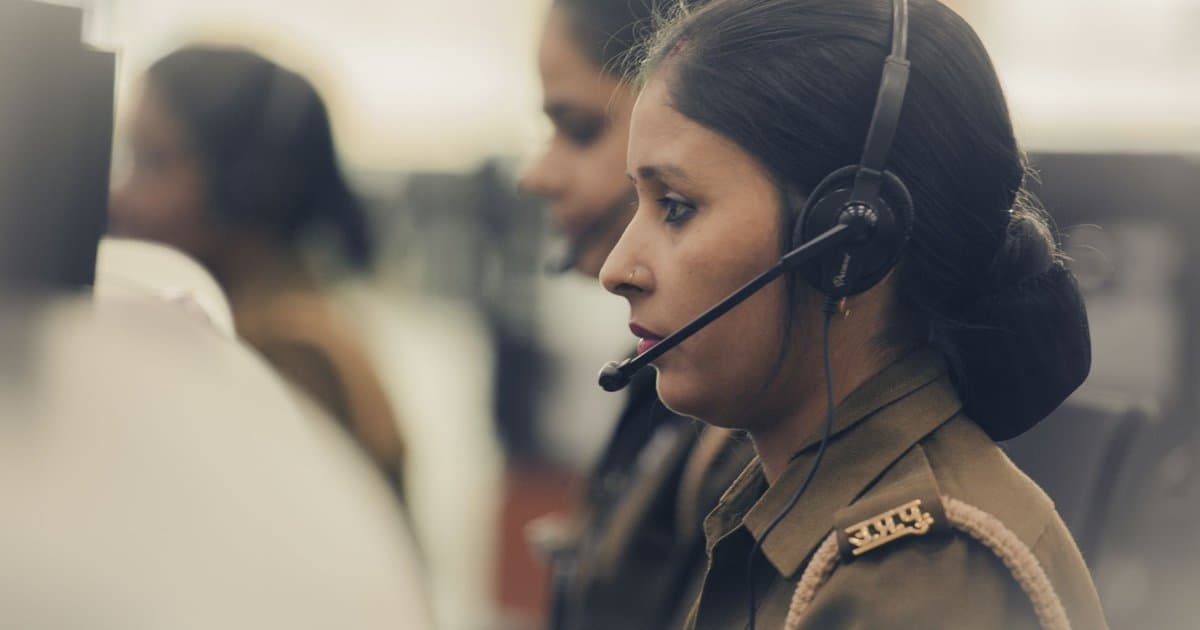
Start with the room itself. In most communities, the person taking your call and the person sending the ambulance are two different people sitting a few feet apart, or in separate rooms entirely. The call taker types what you say into a screen, and that entry appears immediately on the dispatcher's console. Once an address and a rough nature of the problem exist, units get assigned and start moving. The questions continue because the crew can keep learning on the way. Nothing is waiting on your last answer.
The order of the questions is deliberate, and it is the same reason they ask for your address before they ask what happened. Calls drop. Phones die. People pass out mid sentence. If the line goes quiet after ten seconds, an address and a callback number are enough to send help, and a description of symptoms is not. That is why the first two things out of a call taker's mouth are the two things that feel least urgent to you. They are building a floor under the call before they build anything else.
Location is also less automatic than people assume. A landline reports a fixed service address, which is why old movies show the address popping up on a screen. Wireless calls arrive with a much rougher estimate, historically the tower and sector first and a handset position second. Location technology has improved a great deal, but it still struggles with tall buildings, floors within a building, and rural areas with thin coverage. If you are calling from a highway, a trail, or a fourth floor apartment, the words you say are still better than the dot on the map. Say the cross street if you know it.
The script behind the questions has a history. In the late nineteen seventies a physician named Jeff Clawson, working with dispatchers in Salt Lake City, built a card system to standardize what call takers asked and what they told people to do. Before that, the questions varied by whoever picked up. The system he developed sorts calls by chief complaint and assigns each one a code by severity, from the lowest tier through the highest, which is reserved for situations like a patient in cardiac arrest. Those codes decide what gets sent and how fast. A chest pain call and a sprained ankle call do not need the same response, and the questions are how the center tells them apart.
The most consequential part of the call is the part people are most eager to skip. Once the units are moving, the call taker begins pre arrival instructions, and those instructions are treatment. They will talk a bystander through chest compressions, count the rhythm out loud, and keep counting until the crew walks in. They will explain how to control bleeding, how to position someone who is choking, and how to help a person having a seizure without holding them down. Survival from cardiac arrest depends heavily on whether compressions start before the ambulance arrives, and the voice on the phone is often the only reason they do. That is care, delivered by phone.
There is a second reason for the structure that has nothing to do with medicine. The information gathered on the call tells responders what they are walking into, including whether a weapon is present, whether the patient is combative, and whether there is a dog in the yard. Crews who arrive without that context get hurt more often. What sounds like an interrogation is partly a safety briefing for people who are about to enter a stranger's house at speed, with no idea what is behind the door. The details you give shape the plan. A crew that knows more moves faster.
If you ever have to make the call, a few things help. Give the address first and repeat it, including the city, because cell calls sometimes route to a neighboring center. Stay on the line even when it feels pointless, and put the phone on speaker so your hands are free. Answer the questions in the order they are asked rather than in the order that feels urgent, because the script is sequenced for a reason. And if they ask you to do something, do it. That voice is not filing a form. It is running the first part of the response.