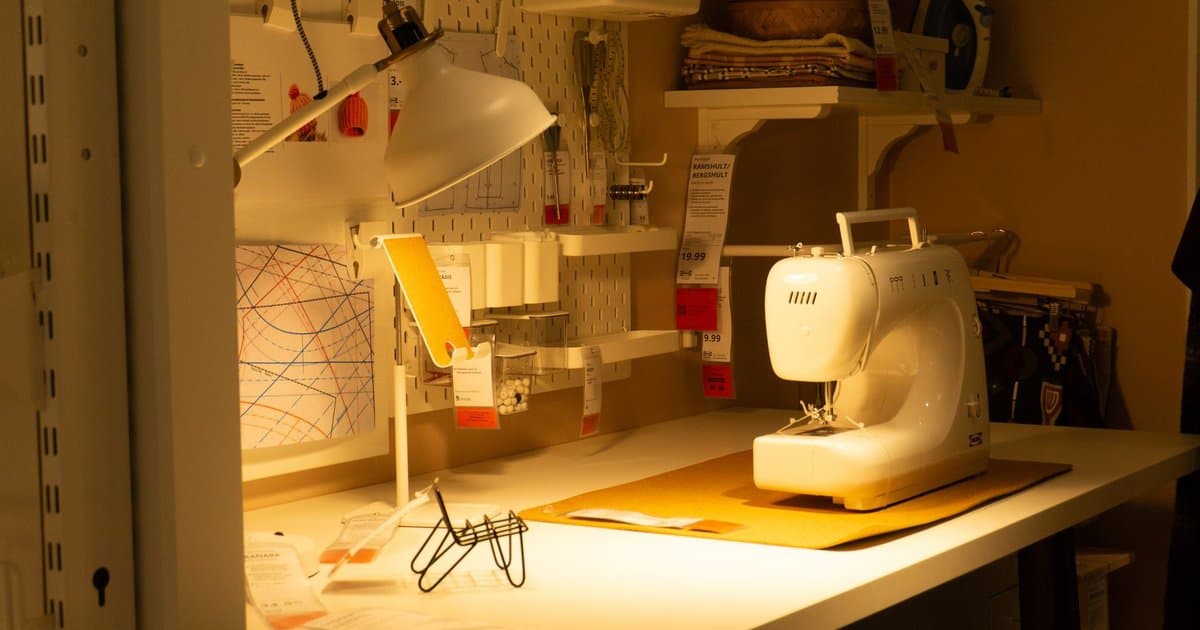
Most people walk into a big furniture store expecting to grab one thing and then leave. Then they get pulled through room after room after room and lose a whole hour. It feels like the whole building was laid out by someone with no sense of direction. But the truth of it actually runs the other way completely. That long, winding path is one of the most carefully planned parts of the whole business. Almost nothing about the route through the store is ever left to plain chance.
The classic version of this kind of store uses a single main path for everyone. You walk in, ride up to the top floor, and then start one long set loop. The route bends its way through model rooms and past many thousands of separate items. There are only a few shortcuts built in, and they are honestly easy to miss. By design, the most natural thing for anyone to do is to just keep walking forward. The path works almost like a slow river that quietly carries you along with it. You end up seeing far more products than you ever planned to see that day.
This is not a brand new trick, and it actually has a real name behind it. Retail experts talk a lot about a planned store that gently nudges people into buying. The whole idea is tied to an architect who studied how spaces shape our behavior. He noticed that a certain kind of layout could pull shoppers right off their task. A person walks in with one clear goal and then drifts into many small choices. The effect is now named after him, and stores everywhere study it very closely. That winding path is really just that effect turned into a physical floor plan.
Every single part of the route is built to keep you moving and keep you looking. The model rooms show items in a full and finished setting, not on a bare shelf. You see a whole kitchen or a whole bedroom and start to picture your very own. Small and cheap items sit along the path within very easy reach of your hands. A basket slowly fills up with things you never came into the store to buy. The signs all point forward, and turning back around feels like far more work. The whole flow is finely tuned to raise the size of each and every trip.
The store also plays quietly with your sense of both time and space. Windows are made rare once you are down deep inside the main loop. Without a clear view to the outside, you lose track of how long you have walked. The lighting stays exactly the same and steady from one end to the other. There are very few clocks and very few easy exits along the whole way. All of this keeps your focus locked on the products and not on the door. A shopper who simply forgets the time tends to stay longer and spend more.
Even the famous cheap food fits neatly into the larger plan. Low priced meals and snacks are part of the draw, not just a side note. A cheap plate of food keeps whole families inside the building for much longer. People who stop and eat there are more likely to finish the full loop. A break for food resets tired shoppers and sends them right back out to browse. The exit itself runs past a market hall that is packed with small goods. That very last stretch quietly catches one more round of easy impulse buys.
Other kinds of stores have clearly borrowed pieces of this same playbook. Grocery chains place their staples far apart so you have to cross the whole floor. Warehouse clubs move their popular items around often to keep you searching for them. Even shopping websites use their own version of the idea with an endless scroll. The path may now be digital, but the goal is the same as the old maze. Keep the shopper moving forward, and keep brand new products always in view. Once you spot this trick in one place, you start to notice it just about everywhere.
None of this really means the store is out to trick anyone in a cruel way. The prices there are real, and the value you get is honestly often quite good. The point is only that the layout is a tool, and that tool works on purpose. Shoppers who know the plan can still choose to walk the path or skip it. Many people learn to use the shortcuts once they find where the hidden ones sit. A written list and a firm budget will beat the pull of the loop. Simple awareness is the best and cheapest defense against an unplanned full cart.
So the next time a store feels a bit confusing, ask who really benefits from the maze. A layout that wastes your time may quietly be saving the seller a small fortune. The winding path is not a flaw or a mistake in the design at all. It is the design, built to turn one quick errand into a full afternoon. That is a useful thing to know before you ever step onto the escalator. You cannot change the floor plan, but you can walk through it with clear eyes. The store has a real strategy, and now, at last, so do you.