Most people think muscle loss is a problem for the very old. The truth is that it starts far earlier, often in your thirties, while you feel fine. It moves so slowly that you do not notice it year to year. Then one day the stairs feel harder and a heavy bag feels heavier. That slow drain has a name, and it has numbers behind it. Understanding both is the first step to keeping what you have. The good news is that this is one problem you can push back against.
Here is the number that surprises people. After about age thirty, adults tend to lose somewhere between three and eight percent of their muscle mass every decade. The pace is not steady, either. It tends to pick up speed after sixty, when the losses come faster. Strength can fade even quicker than size, and fast power fades quickest of all. That is why an older adult may still look fine but struggle to rise from a low chair. The size is only part of the story, and the strength part matters more.
So why does this happen at all? A big reason is simple. We move less as we get older and busier, and muscle only stays when it is used. The body also loses some of the nerve connections that fire your muscle fibers. Hormone levels shift in ways that make building harder. Many adults eat less protein than they need, especially at breakfast. Add in long hours of sitting, and the slide speeds up on its own.
The phrase use it or lose it is not a slogan here. It is close to a rule. Muscle responds to demand at almost any age, and the research on this is clear. Studies have put people in their seventies, eighties, and even nineties on strength programs. Those people got stronger, built muscle, and moved better within weeks. Their bodies had not forgotten how to grow. They simply needed a reason to. Your muscles are waiting for the same signal.
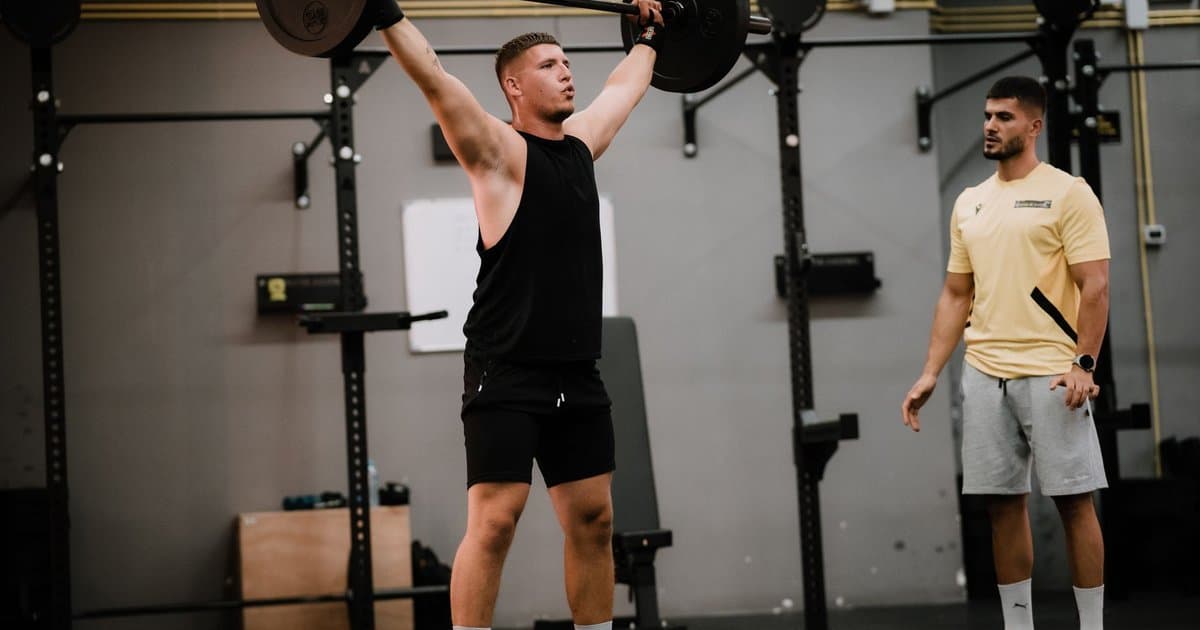
That signal is resistance training, and you need less of it than you think. Two sessions a week is enough to hold your ground and even gain. The plan is not complicated. Work the big muscle groups, your legs, hips, back, and chest, with real effort. Push a little harder over time by adding weight or reps. You do not need a fancy gym, since bands, dumbbells, or your own body weight all count. What matters is showing up and pushing against something heavy for you.
Food and rest do the quiet half of the work. Muscle is built from protein, so you need enough of it spread through the day. A palm sized portion at each meal is a fair guide for most people. Older adults often need a bit more than younger ones to get the same result. Sleep is when the repair happens, so short nights blunt your gains. Walking is great for your heart, but it will not build or hold much muscle on its own. Pair your steps with resistance work and you cover both bases.
This is about far more than how your arms look. Muscle is where your body burns a lot of its fuel, so more of it helps your metabolism. It pulls sugar out of your blood, which supports steady energy and long term health. It braces your joints and supports your bones as you age. It keeps your balance sharp, which is what prevents the falls that send older adults to the hospital. In plain terms, muscle is what keeps you independent later. That is the real prize.
One reason this sneaks up on people is that the bathroom scale hides it. You can weigh the exact same at forty five as you did at twenty five and still have lost real muscle. What often happens is that muscle quietly leaves while fat quietly takes its place. The number on the scale stays flat, so nothing looks wrong, yet your body has changed underneath. This is why some people feel weaker and softer without gaining a pound. A tape measure, a grip test, or simply how you move tells a truer story than weight alone. Watch what your body can do, not just what it weighs.
The best time to start building was years ago, and the second best time is now. You do not need to overhaul your life this week. Pick two days, choose a few basic moves, and begin light. Add a little each week and eat enough to back it up. The base you build in your thirties and forties is the base you draw on for decades. Small, steady effort now pays you back when it counts most. Your future self is the one who benefits.