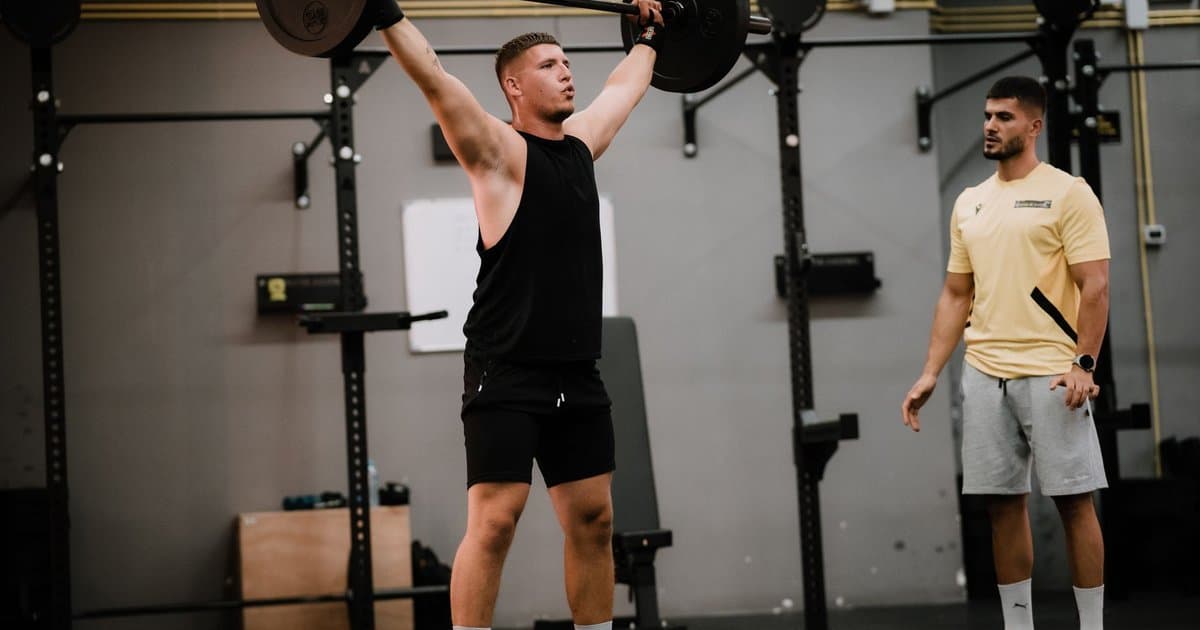
Walk into any serious gym and you will feel a quiet ranking system. The free weights sit in the back like a temple, and the machines line the walls like training wheels. The common belief is simple. Real lifters use barbells and dumbbells, and machines are for beginners, older folks, or people healing an injury. If you want to actually build muscle, the story goes, you have to earn it with free weights. That belief is popular, and for most people it is wrong.
Start with what the research shows, because it is clearer than the gym talk. When scientists compare machines and free weights head to head, and they match the effort, the muscle growth comes out about the same. A chest press machine and a barbell bench press both build a chest. A leg press and a barbell squat both build legs. Your muscles do not know or care what tool is pushing back on them. They respond to tension and hard effort, and both tools deliver plenty of both.
So why does the myth hang on so tightly. Part of it is tradition, since the barbell has been the badge of strength for a hundred years. Part of it is marketing, since a whole industry sells the idea that only free and functional training is worthy. And part of it is ego, because grinding out a heavy squat feels more heroic than sitting in a padded seat. None of those reasons touch the actual question, which is whether the muscle grows. On that question, the machine holds its own just fine. The muscle only knows the pull it feels and the effort you give it. It cannot see the logo on the frame or judge how cool the exercise looks. That is the whole reason the results come out about even.
Machines also carry real strengths that lifters brush past. They are easier to learn, so a beginner can train hard on day one without months of practice. They hold you in a fixed path, so you can push a set close to failure without a spotter or the fear of dropping a weight on yourself. That safety lets you chase the hard reps where growth really lives. They also lock out the wobble, so the target muscle does the work instead of a dozen small helpers. For pure muscle building, that focus is a feature, not a flaw.
This does not mean free weights are junk, because they are not. Barbells and dumbbells make your stabilizer muscles work, which builds control and balance you can feel outside the gym. They let you load heavy for the big lifts that carry over to real life. They cost less and fit in a garage, and they move through paths a fixed machine cannot copy. A smart lifter respects what they do. The point is not that machines beat free weights. The point is that neither one is the only real way to grow.
The honest read is that both tools build muscle, and the best choice depends on you. What is your goal, what do you have access to, and how much practice do you already have. A person chasing size can do great on machines alone. A person chasing raw strength for a sport leans more on the bars. Most people are best served by mixing the two and picking whatever lets them train hard and stay steady. Effort and repetition matter far more than the label on the equipment.
That plays out in real ways for real people. A total beginner can build a strong base on machines while they learn, then add free weights over time. A person who trains alone at night can push a leg press to the limit far more safely than a heavy back squat. An older lifter with cranky joints can find angles on a machine that a barbell will not allow. A busy parent who has ten minutes can hit a few machines and be done. None of them are doing a lesser workout than the person at the squat rack.
So drop the ranking system in your head. Muscle grows from tension, effort, and doing the work again and again over months. It does not grow because the weight came from a bar instead of a stack. Use the machines. Use the free weights. Use whatever keeps you showing up and pushing hard, because that is the thing that actually changes your body. The best equipment is the kind you will use with real effort, week after week, long after the excitement of a new plan fades. Pick the tools that fit your body and your schedule, then get to work. Progress comes from what you can repeat, not from what looks the hardest. The person who trains for years on machines will pass the person who quit the barbell in a month.