You pick your kid up, genuinely wanting to know how their day went, and you get one word back. Fine. Nothing. Good. Then silence, or a request for a snack. It is easy to take that as a small rejection, or to worry that something is wrong, or that they just do not want to talk to you. Most of the time it is none of those things. There are real, understandable reasons a child clams up at the exact moment you want to connect, and once you understand them, you can change how you ask and get a very different response.
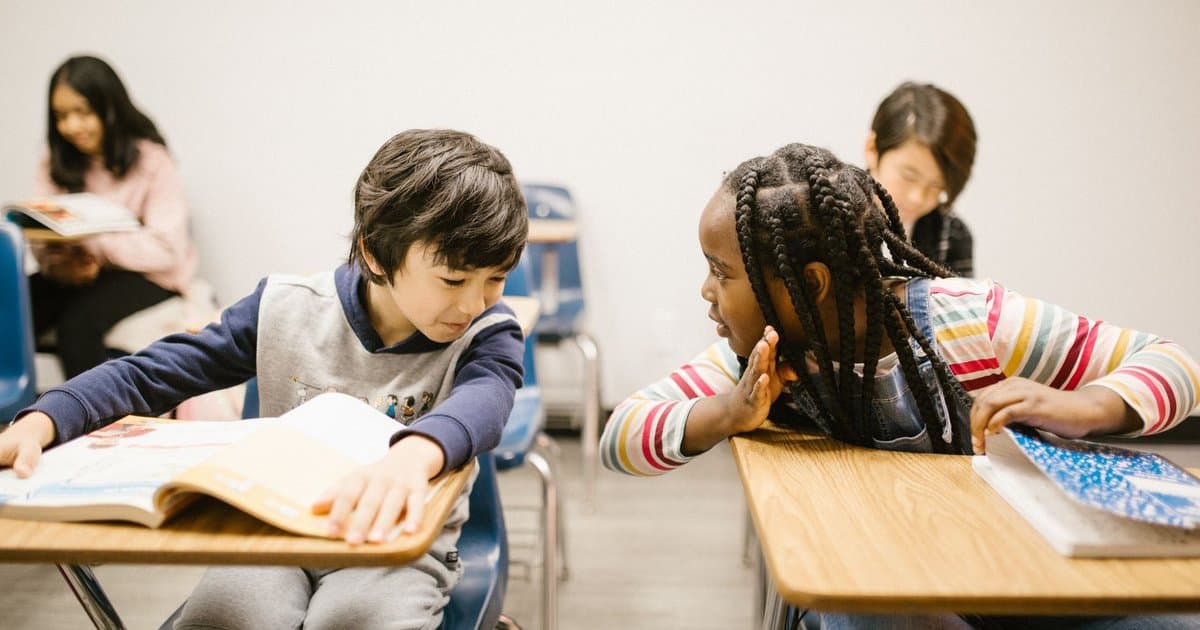
The first reason is that they have been holding it together all day and they are completely spent. School asks a child to sit still, follow rules, manage friendships, and control their reactions for hours, and that takes enormous energy. The moment they get back to you, the safest person they have, their body finally lets go of all that effort. Psychologists sometimes call this after-school restraint collapse. What looks like moodiness or shutting down is actually your child decompressing in the one place they feel safe enough to stop performing. They are not refusing to talk. They are recovering, and recovery has to come before conversation.
The second reason is that the question itself is too big to answer. When you ask how their whole day went, you are asking a child to summarize six or seven hours of scattered moments into one neat reply, and their brain simply cannot do that on command. Adults struggle with the same question. If someone asked you to sum up your entire workday in one sentence the second you walked in the door, you would probably say fine too. The size of the question, not a lack of things to say, is often what produces the empty answer. Smaller and more specific questions give a child something they can actually grab onto.
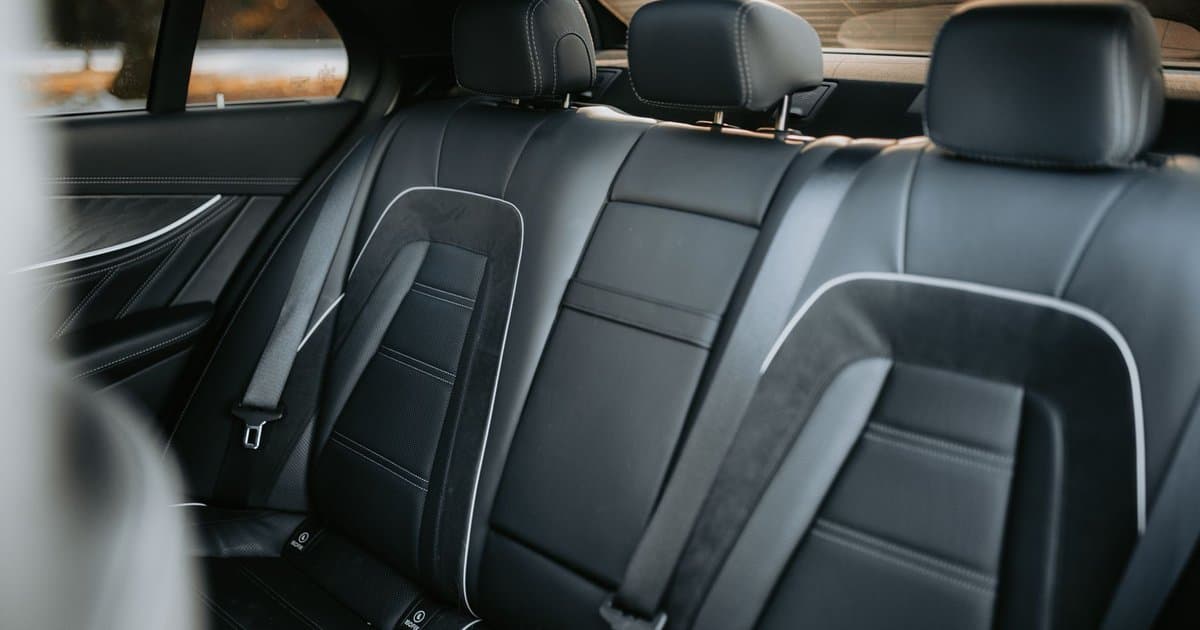
Timing matters more than most parents realize. The pickup moment is usually the worst possible time to expect real talk, because they are tired, hungry, and switching gears from one world to another. Push for details right then and it can feel like an interrogation, which makes a child pull back even further. Kids also tend to open up sideways rather than face to face, which is why some of the best conversations happen in the car, on a walk, while doing dishes, or in the dark at bedtime. When there is no direct eye contact and no pressure, the words come more easily. The setting is doing half the work.
So instead of asking how their day was, try asking about one concrete corner of it. Ask who they sat with at lunch, what made them laugh, what the hardest part of the day was, or what someone else got in trouble for. Specific questions give specific answers, and one small answer often unlocks a longer story. You can also go first by sharing something real from your own day, including a part that did not go well, which teaches them that talking about the messy parts is normal and safe. Then, and this is the hard part, let there be silence without rushing to fill it. Kids often need a long pause before the real thing comes out.
The last piece is to protect the moments they do choose to talk, even when the timing is inconvenient for you. Children rarely open up on a schedule, and the story you have been waiting for all day tends to arrive at nine at night when you are exhausted and ready for them to sleep. If you brush it off or cut it short, they learn that the window closes fast, and they stop reaching for it. If you can stop what you are doing and actually listen, even for a few minutes, you teach them that you are available, and availability is what keeps the door open through the harder years ahead. The goal is not to pull information out of them. It is to be the person they want to tell.
None of this means something is wrong with your child or with you. The quiet after school is normal, the one-word answers are normal, and the sideways way kids share is normal. What changes the pattern is not asking harder or more often. It is asking smaller, waiting longer, and being present when they finally decide the moment is right. Give them food and a little quiet first, drop the big question, and stay close enough that talking feels easy. The connection you are looking for is usually still there. It just needs a softer door to come through.