Ask ten parents how much sleep a child needs and you will get ten answers. Some go by what their kid happens to get, others by a half remembered rule. The truth is that sleep needs shift a great deal from the crib to the teen years. Sleep doctors have put out clear ranges by age, and they are backed by the main pediatric groups. Knowing the target helps you spot when your child is running short. And many kids are running short, often by more than a full hour a night.
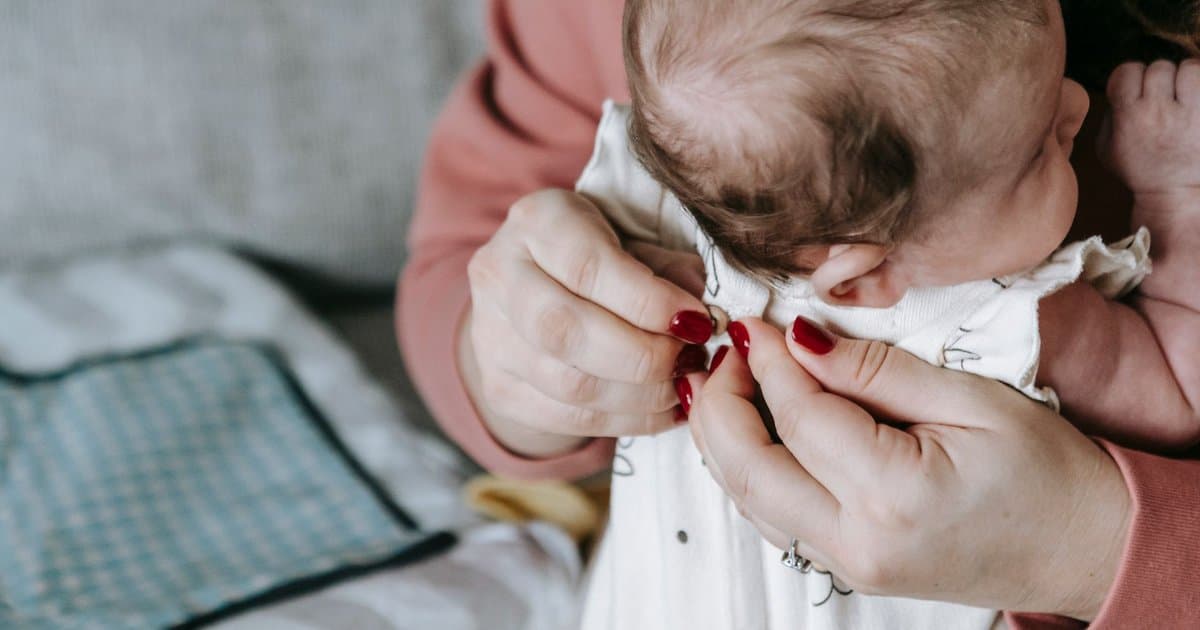
Newborns live in a world of their own, sleeping in short bursts that add up to fourteen to seventeen hours a day. By the time a baby is between four months and a year old, the range settles to about twelve to sixteen hours, naps included. Toddlers, roughly one to two years, need around eleven to fourteen hours across the day and night. Naps still do heavy lifting at these ages, so do not count only the nighttime hours. The totals sound high, but small bodies and fast growing brains burn through rest. Protecting those naps is part of the job.
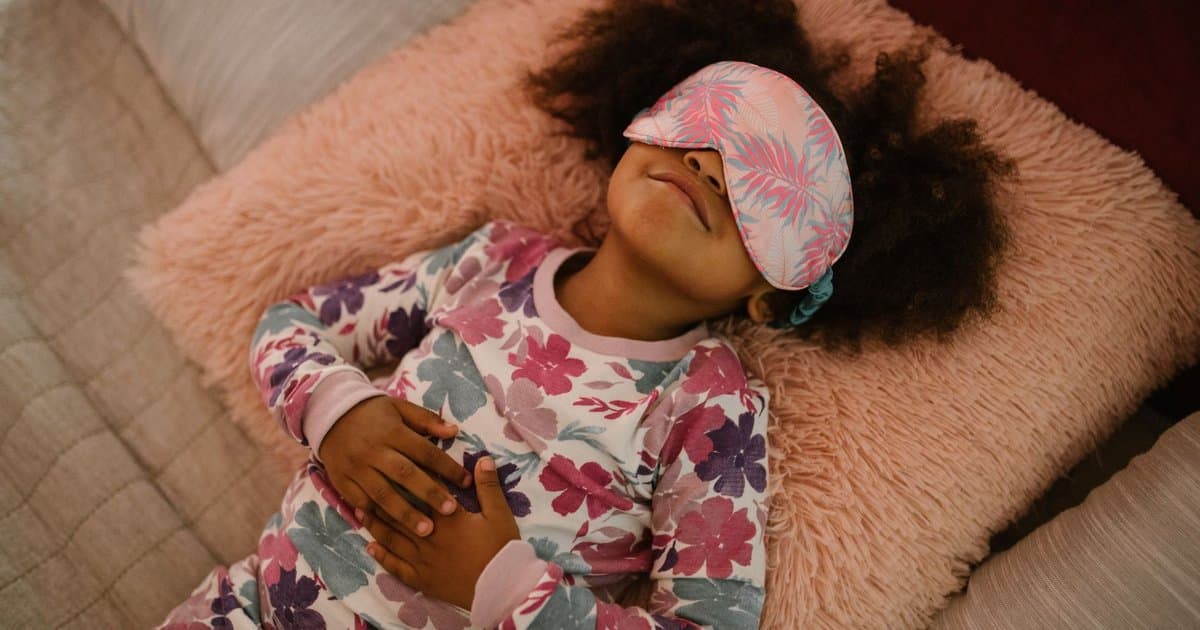
Preschoolers, ages three to five, need about ten to thirteen hours, and many are dropping their daytime nap during this stretch. When the nap goes, the night has to grow to make up for it, which means an earlier bedtime. School age children, six to twelve, need nine to twelve hours a night. This is the age where homework, screens, and activities start eating into bedtime. A child who wakes up cranky and drags through the morning is often just short on sleep. The fix is usually an earlier lights out, not a later alarm.
Teenagers need eight to ten hours, and this is where the gap between need and reality gets widest. Their body clocks shift in puberty, so they naturally feel awake later at night. Early school start times then force them up before they are rested. The result is a whole generation of tired teens running on six or seven hours during the week. Sleeping in on weekends helps a little, but it cannot fully repay the debt. The need for sleep does not shrink in the teen years, even though the schedule fights it.
Sleep is not downtime for a growing child, it is active work. While they rest, their brains file away what they learned, and their bodies release much of the hormone that fuels growth. Short sleep is tied to trouble with focus, mood swings, and a harder time in school. It also plays a role in weight and in how the body handles blood sugar over the long run. Even the immune system leans on good sleep to hold the line. Skimping on rest touches nearly every part of a child's health.
You do not need a lab to tell when a child is short on sleep. Watch for hard mornings, where waking up is a daily battle. Look for crankiness, meltdowns over small things, and trouble paying attention at school. Some tired kids get wired rather than sleepy, bouncing off the walls when they should be winding down. Falling asleep the instant the car starts moving is another quiet clue. If the weekend brings hours of extra sleep, the weekday tank is likely running low.
Knowing the target is easy, but hitting it is where families struggle. Packed schedules push activities and homework later and later into the night. Screens in the bedroom pull kids past the point where their bodies would drift off on their own. Caffeine sneaks in through soda and energy drinks, especially with teens, and it lingers for hours. Early school bells then chop the morning short no matter when the night ended. Naming these blockers is the first step, because you cannot protect sleep you never planned for.
The good news is that sleep responds well to steady habits. Keep bedtime and wake time close to the same every day, even on weekends, so the body clock stays set. Wind down with a calm routine, dim lights, and no screens for the hour before bed. The blue glow from phones and tablets makes it harder for the brain to feel sleepy. Keep the bedroom cool, dark, and quiet, and save the bed for sleeping. Small, boring, repeated steps beat any single trick you could try.
There is no perfect number that fits every child, since needs vary within each range. But the ranges give you a solid target, and most kids are landing below them. If your child struggles to wake, fades in the afternoon, or catches up hard on weekends, the tank is probably low. Start with an earlier bedtime and a steady routine before you reach for anything else. Sleep is one of the few free tools that lifts mood, learning, and health all at once. It is worth guarding like the necessity it is.