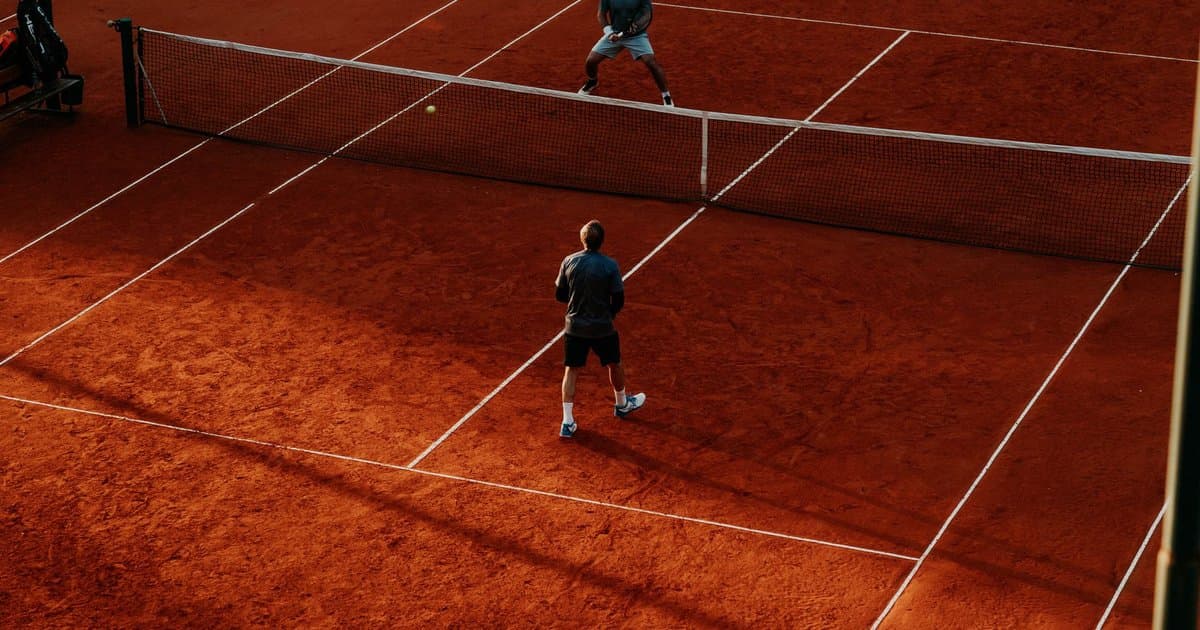
There is a phrase child development experts use that sounds like a tennis term. They call it serve and return, and it describes the back and forth between a baby and the adults who care for them. A baby coos, points, or reaches out, which is the serve. The adult responds with words, a look, or a touch, which is the return. It looks like simple play, and it is easy to overlook in a busy day. But this small exchange is one of the most important things happening in a young brain. The stakes hiding inside it are surprisingly high.
In the first years of life, a brain builds connections at a stunning pace. Every time a baby serves and an adult returns, that back and forth strengthens the links between brain cells. Those links form the base for language, focus, and the ability to handle feelings later on. The brain is shaped by use, and these exchanges are the daily reps that shape it. A baby who gets steady, warm returns is building strong wiring for learning down the road. This is not about fancy toys or classes, it is about the response itself. The answer is the lesson.
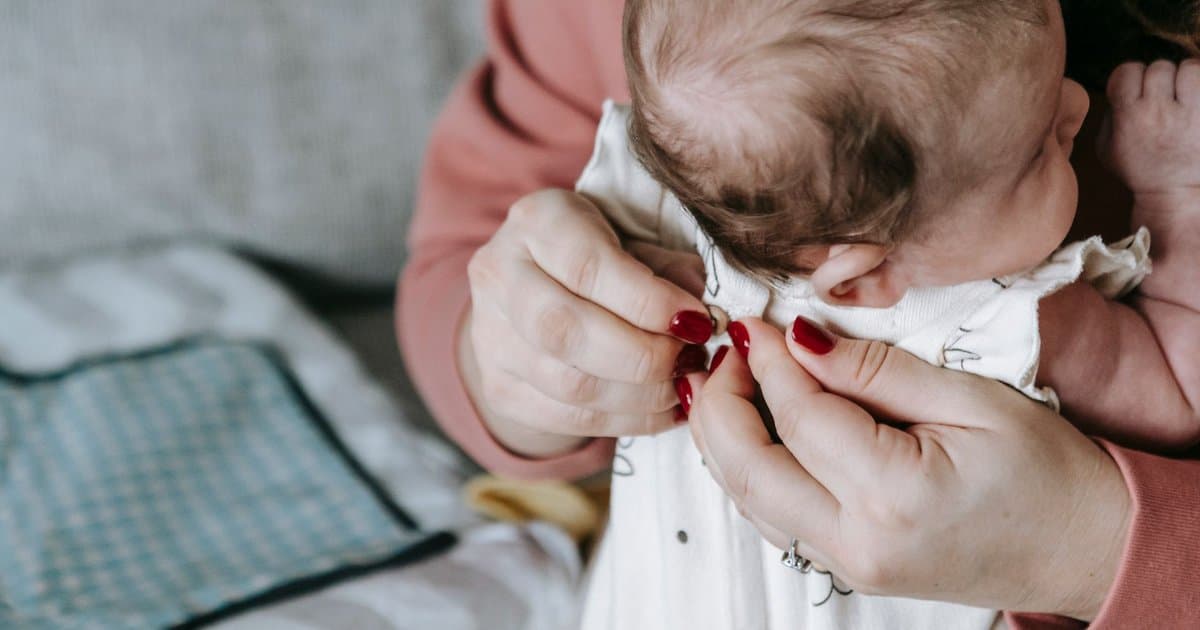
Serve and return looks plain in everyday life, which is part of why it gets missed. Your baby babbles, and you babble back in the same singsong tone. Your toddler holds up a toy, and you name it and smile. A child points at a dog, and you say yes, that is a dog, do you hear it barking. Each of these tiny loops is a full serve and return. The child sends a signal, you catch it and send one back, and the loop closes. Done thousands of times, these loops add up to real growth. Ordinary moments carry the weight.
The return is the part that carries the most weight. When an adult answers a child's bid for attention, the child learns that the world responds to them. That builds a sense of safety and trust that lets a child explore and learn with confidence. When bids are met with silence over and over, the child slowly stops sending them. Researchers describe this gap using a still face test, where a parent goes blank in the middle of play. Babies grow upset fast when the returns stop, which shows how much they count on them. The answer is what makes the serve worth sending.
The good news is that you are likely doing this already, and you can do it on purpose. Follow the child's lead instead of steering every moment yourself. When they look at something, look with them and name it out loud. When they make a sound, make one back and wait for their reply. Get down to their level so your face and eyes are part of the exchange. These moves cost nothing and fit into diaper changes, walks, and meals. The aim is a steady rhythm of noticing and answering across the day.
One quiet threat to serve and return is the pull of a screen for the adult. A baby serves, but a parent lost in a phone misses the bid and the loop never closes. This is not about blame, since every parent gets tired and distracted at times. It is about knowing that those missed moments are the exact stuff a brain is trying to use. Setting the phone down during feeding and play protects a stretch of full attention. Even short windows of real back and forth do more than long stretches of half attention. Presence beats perfection here.
This idea is powerful in part because it is fair and within reach for everyone. It does not require money, special classes, or a certain kind of home. A parent working two jobs can serve and return during a bath just as well as anyone. The building blocks are attention, warmth, and response, which any caregiver can give. For families stretched thin on time and money, that is good news worth holding onto. The most valuable thing you can give a young brain is your steady presence and your answer. No budget can buy a better tool.
So the next time your baby babbles or your toddler tugs your sleeve, notice the serve. It is a bid for connection and a small chance to build a brain. Answer it with your words, your eyes, and your warmth, and you close the loop. Do that across the ordinary moments of a day, and the reps add up over years. You do not need a plan or a product to do this well at all. You only need to be present enough to catch the serve and send one back. That is the whole game, and you already know how to play it.