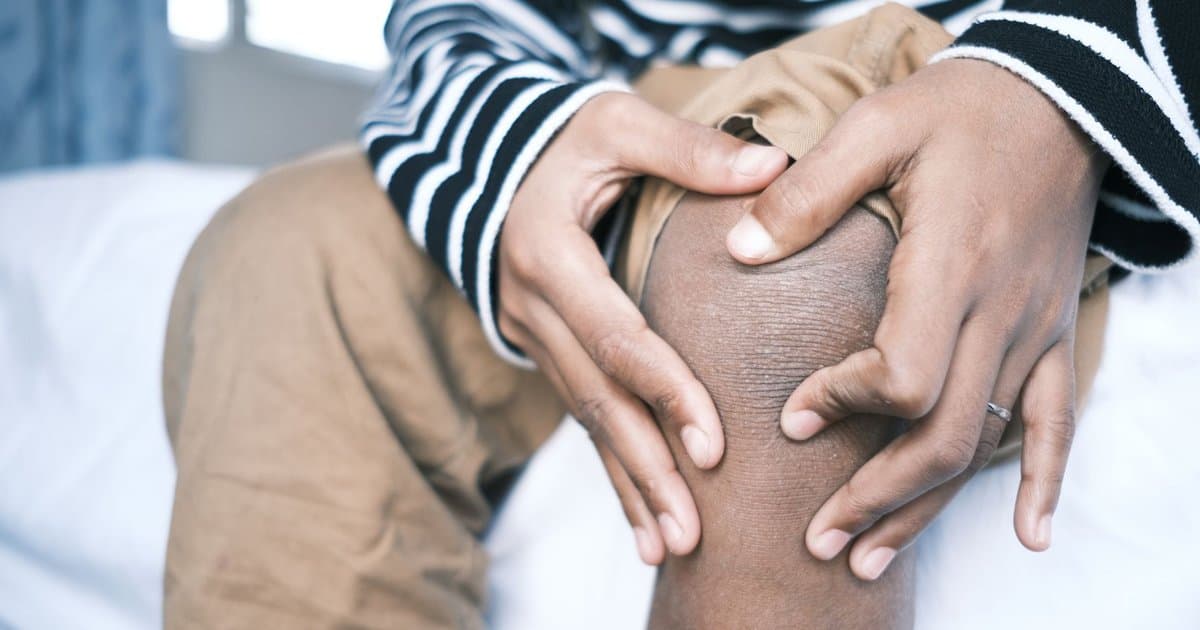
Roll an ankle at a game and someone hands you a bag of ice within seconds. It is the most automatic move in all of sports. For fifty years the advice came packaged as a tidy word, RICE, which stands for rest, ice, compression, and elevation. Almost every coach, trainer, and parent learned it and passed it on. What almost none of them heard is that the story has changed. The doctor who coined that word now argues that the ice part may do more harm than good.
To see why, look at what ice is actually stopping. When you hurt soft tissue, your body floods the area with blood and fluid, which is why it swells and throbs. That swelling feels like the enemy, so cooling it down feels like a win. But that rush of fluid carries the very cells that clean up damage and start the repair. Inflammation is not the injury itself. It is the opening move of your body healing the injury.
Ice works by narrowing the blood vessels in the area you cool. That is what dulls the pain, and the relief is real, which is why the habit stuck so hard. The catch is that the same narrowing slows the delivery of those repair cells. You are turning down the exact process you want running at full speed. Some research suggests that heavy icing can delay recovery and may even blunt how well muscle rebuilds. The thing that feels productive may be quietly stretching out your timeline.
This is where the man behind the method comes in, because the reversal is his own. The physician who popularized RICE in the late 1970s later wrote plainly that he was wrong about ice. After reviewing the newer evidence, he said cooling likely interferes with healing rather than helping it. It is rare for the author of a household rule to stand up and unwind it himself. That alone should make anyone pause before reaching for the freezer. When the source of the advice retracts it, the advice deserves a second look.
Now the fair part, because ice is not useless and nobody should overreact. For pain, a short spell of cold can take the edge off, and that has real value on a rough day. The problem is treating ice as treatment, as the thing that mends you, rather than as a way to feel better for an hour. Numbing pain and speeding repair are two different jobs. Ice does the first and, on the evidence, may work against the second. Comfort is fine as long as you do not confuse it with healing.
So what has replaced the old formula? Many in sports medicine now point to gentle movement instead of total shutdown. Light, pain free motion pumps fluid through the area and feeds the repair your body is already trying to run. That does not mean playing through a real injury or ignoring anything serious. It means that lying still with a cold pack for days is rarely the fastest road back. The body wants circulation, and careful movement is how you give it that.
The stubborn part of all this is habit, not science. RICE is short, easy to teach, and comforting in a scary moment, and those are strong reasons a rule survives. But easy to remember is not the same as correct. A generation of athletes iced everything on faith because a catchy word told them to. Rules built on tidy words age slowly even after the evidence has moved on. This is one of those rules finally catching up to what the research has been saying for years.
So what should you reach for in the first hour after a twist or a strain? Keep it simple and let the body lead. Protect the area from more harm, move it gently within the range that does not hurt, and give it time. Compression and elevation still earn their place, since bringing swelling down to a reasonable level is not the same as freezing the whole process. If the pain is severe, the joint looks wrong, or you cannot put weight on it, that is a doctor's call and not a home one. The goal at home is to support the healing, not to stall it. A little movement and a lot of patience beat a bag of ice left on for an hour.
None of this means you did harm by icing a bruise last week. It means the automatic reach for the freezer deserves a second thought. Use cold for comfort if you want it, keep it brief, and do not mistake the numbness for repair. Lean instead on gentle movement, and give a serious injury the professional look it needs. The healing was always the body's own job. The smartest thing you can do is get out of its way.