The name says gold, and that is the first trick your brain falls for. The medal placed around a champion's neck at the top of the podium gets called a gold medal, so most people picture a solid brick of the stuff. The truth is stranger and a lot cheaper than that. A modern Olympic gold medal is mostly silver with a thin coat of gold on the outside. The rulebook that governs the Games spells this out in plain numbers. Once you see those numbers, the word gold starts to sound like a nickname instead of a fact.
Here is what the standard actually requires. An Olympic gold medal has to be at least 92.5 percent silver, and it must carry a minimum of six grams of pure gold as plating. A typical gold medal weighs around 500 grams in total. Six grams out of 500 works out to just over one percent of the whole object. So the prize sitting in the trophy case is really a silver medal wearing a gold jacket. The gold you see is a surface layer, not the heart of the thing. To picture it another way, all the gold in the medal would fit inside a small coin with room to spare. Everything else in your hand is silver, dressed up to shine like the real thing.
It was not always built this way. The last time athletes took home medals made of solid gold was the 1912 Games in Stockholm. After that, the price and the softness of pure gold pushed the organizers toward the design we know now. Pure gold is a soft metal, soft enough to scratch with a fingernail. A solid gold medal worn on a ribbon and passed through thousands of hands would bend and wear down within a single lifetime. Silver gives the medal the backbone to hold its shape for generations. A gold coat over a silver core gave the award both a rich look and real staying power.
There is a plain reason the switch stuck around. A medal is meant to outlast the moment it is won by decades. Families keep them, museums display them, and collectors trade them long after the athlete retires. Silver coated in gold, finished the right way, holds its form for a very long time. It also keeps the cost sane, since a solid gold disc that size would be worth a small fortune in metal alone. The design trades raw value for something that can survive a real life on a shelf.
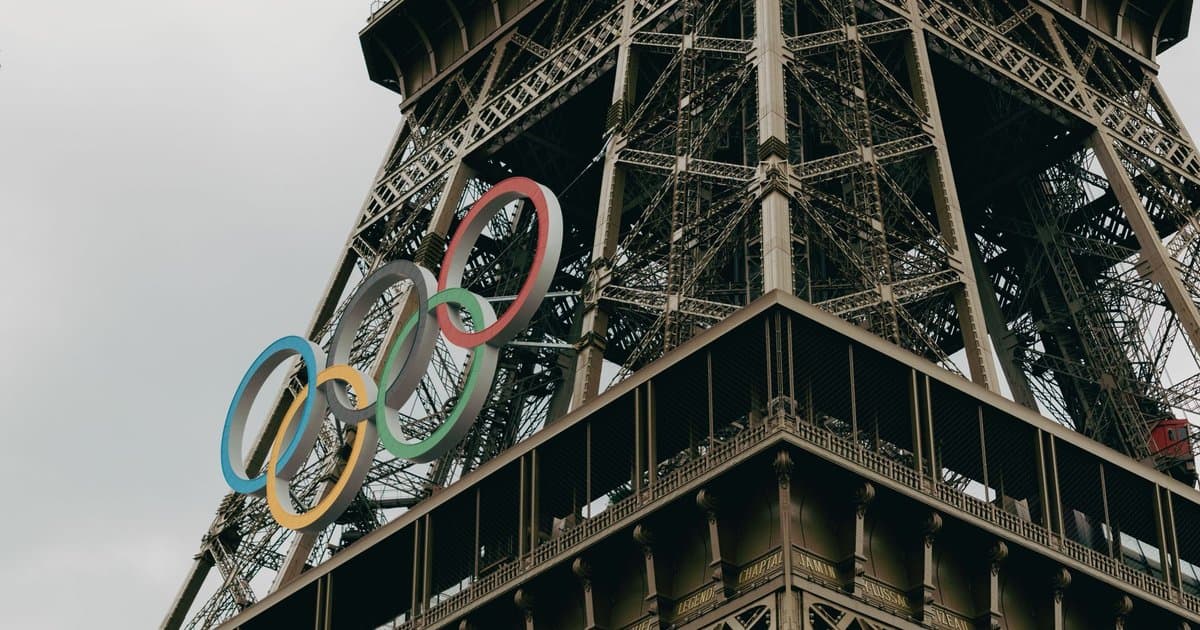
The 2024 Paris medals added a twist that made headlines around the world. Each one held a piece of iron taken from the original Eiffel Tower. The organizers pulled scrap metal saved from old repairs of the tower and set a flat hexagon of it into the center of every medal. Winners went home with a literal chunk of Paris in their hands. It tied the award to the host city in a way no logo ever could. Gold, silver, and old French iron all shared the same small disc.
So what is a gold medal really worth if you melt it down? Add up the silver and the small bit of gold, and the metal value tends to land in the low hundreds of dollars, moving up and down with market prices. That figure shocks people who assume the medal is a jackpot. The real worth has almost nothing to do with the metal inside it. A medal can sell at auction for a fortune, but only because of who won it and what it stands for. The story bolted to the object is the expensive part, not the alloy. Melt one down and you would toss away almost all of its worth. The value lives in the history and the name behind it, not in the metal you could sell.
The pattern holds all the way down the podium. Silver medals are usually close to pure silver, so in raw metal a silver medal can be worth nearly as much as the gold. Bronze medals are mostly copper with a little tin and zinc, which makes them the cheapest of the three by a wide gap. So the order of the medals by prestige does not match their order by metal value at all. First place and second place sit closer in raw worth than any fan would guess. The names carry weight that the metals simply do not.
None of this chips away at the achievement itself. A champion earns that medal with years of work, and the thin skin of gold was never the point. Still, it helps to know what you are looking at when a winner bites down on the edge for the cameras. That old pose comes from a time when real gold was soft enough to show a tooth mark. The medal is silver at its core, gold on its face, and priceless only because of the person holding it. The metal is ordinary, and the moment never is.