You spray the same perfume you always wear, walk out the door, and by midday you cannot smell a trace of it. The next week you wear the identical scent and it lingers from morning until night. Nothing about the bottle changed, so the easy assumption is that the fragrance is weak or fake. Most of the time that is not what happened at all. A perfume is a moving target that interacts with your skin, the air around you, and the way you put it on. Once you understand the few things that actually drive longevity, the disappearing act stops feeling like a mystery and starts feeling like physics.
Skin type does more work here than almost anything else. Fragrance molecules need something to cling to, and oil is what holds them in place over the hours. People with naturally oilier skin tend to hold a scent far longer because the oils trap the molecules and release them slowly. Dry skin gives those molecules nothing to grip, so they lift off and evaporate much faster. This is why the same perfume can read as long lasting on one friend and fleeting on another. It also explains why a scent fades quicker in winter, when cold air and indoor heating pull moisture out of your skin and leave it parched.
Heat and humidity pull the strings on the rest of it. Warmth speeds up evaporation, which is why a fragrance blooms loudly the moment you step into a hot room and then burns off sooner. Humidity, on the other hand, slows evaporation and can make the same scent hang in the air longer and feel heavier. That is part of why a perfume you love in a dry climate can feel cloying on a muggy afternoon, and why a summer scent can seem to vanish in a dry winter office. Your own body heat plays the same role on a smaller scale. Pulse points like the wrists, neck, and inner elbows stay warmer, which keeps the scent active, but that warmth also burns through it faster than cooler patches of skin.
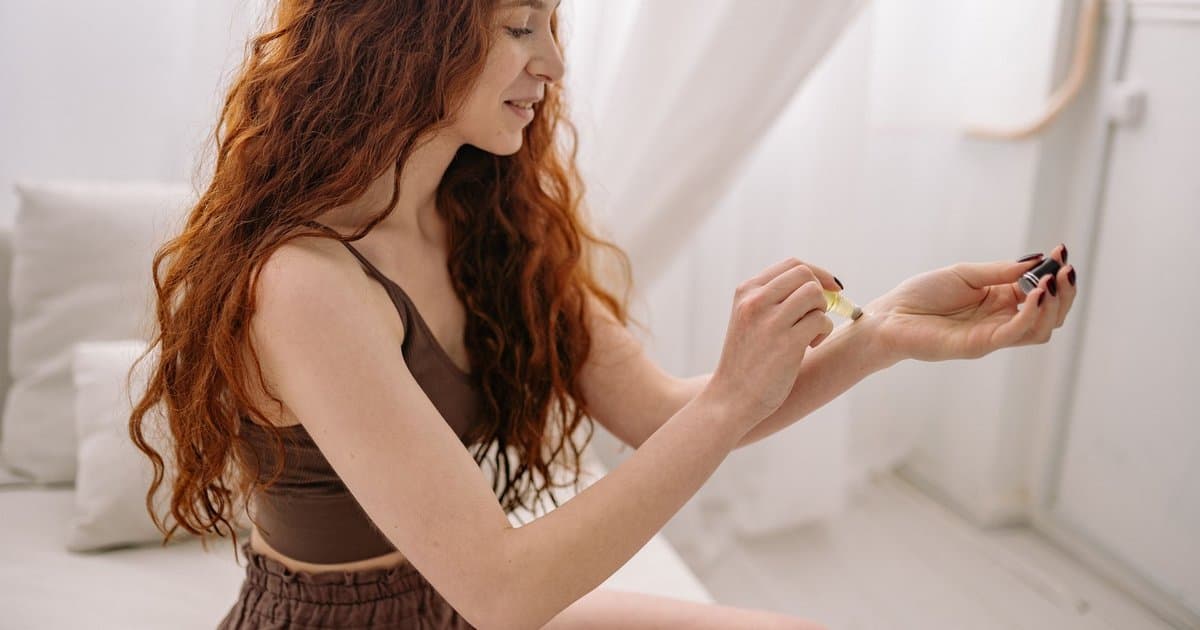
How you apply it quietly decides the outcome before you ever leave the bathroom. Spraying onto dry skin sets a fragrance up to fade early, since there is little oil to anchor it. A light layer of unscented moisturizer on the same spot first gives the molecules something to hold, and the difference in staying power is often dramatic. The old habit of rubbing your wrists together actually works against you, because the friction generates heat and crushes the top notes, making the scent flash and fade. Spraying onto clothing or hair can stretch longevity too, since fabric holds molecules even better than skin, though strong perfumes can stain delicate fabrics. Where you spray matters as much as how much, and a few well chosen points beat a heavy all over mist.
The structure of the fragrance itself sets a ceiling on all of this. Perfumes are built in layers, with bright top notes that greet you first, heart notes that carry the middle, and base notes that linger longest. Lighter compositions built around citrus and fresh florals are designed to be airy and simply do not last as long, no matter what you do. Heavier bases built on wood, musk, amber, and resin cling for hours because those molecules are larger and slower to evaporate. The concentration on the label is the other half of the story. An eau de toilette carries less of the scented oil than an eau de parfum, so it naturally fades sooner even with everything else held equal.
None of this means a short lived perfume is a bad one, and chasing all day power is not always the goal. A soft, fleeting scent can be exactly right for close quarters or a quiet day, and many people prefer something that whispers rather than announces. The point is that you have more control than the vanishing act suggests. Moisturize first, aim for warm pulse points, skip the wrist rubbing, and match the weight of the fragrance to the weather and the occasion. Once you treat scent as a partnership between the bottle and your skin, the same perfume stops betraying you on random afternoons. It turns out the fragrance was never the problem, it was just waiting for the right conditions to stick around.