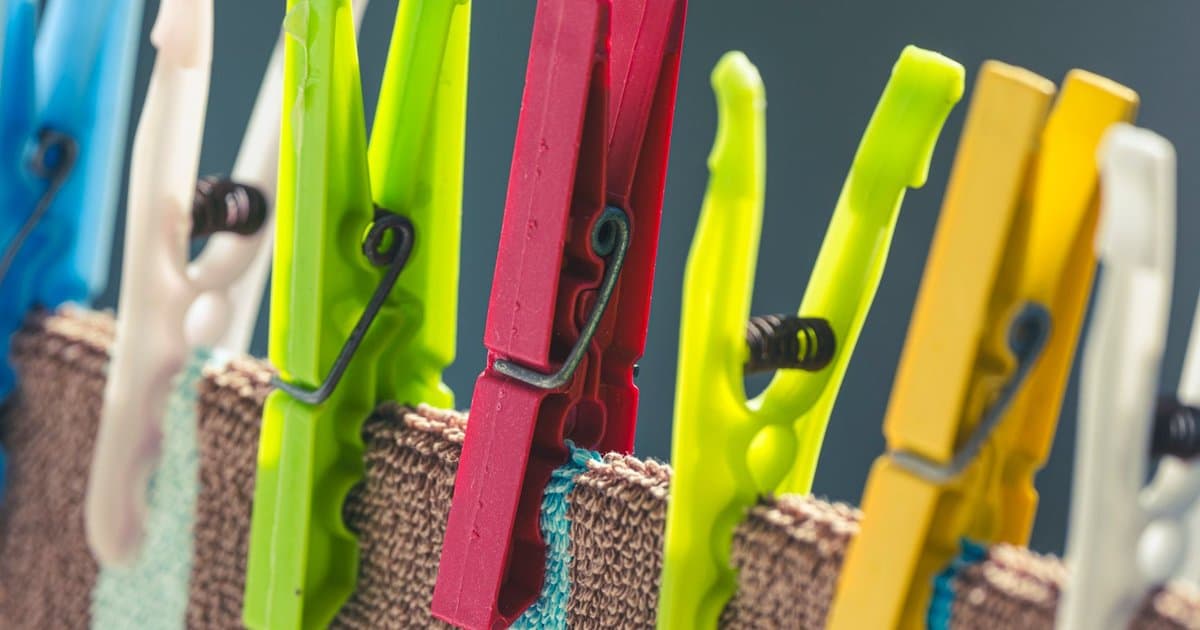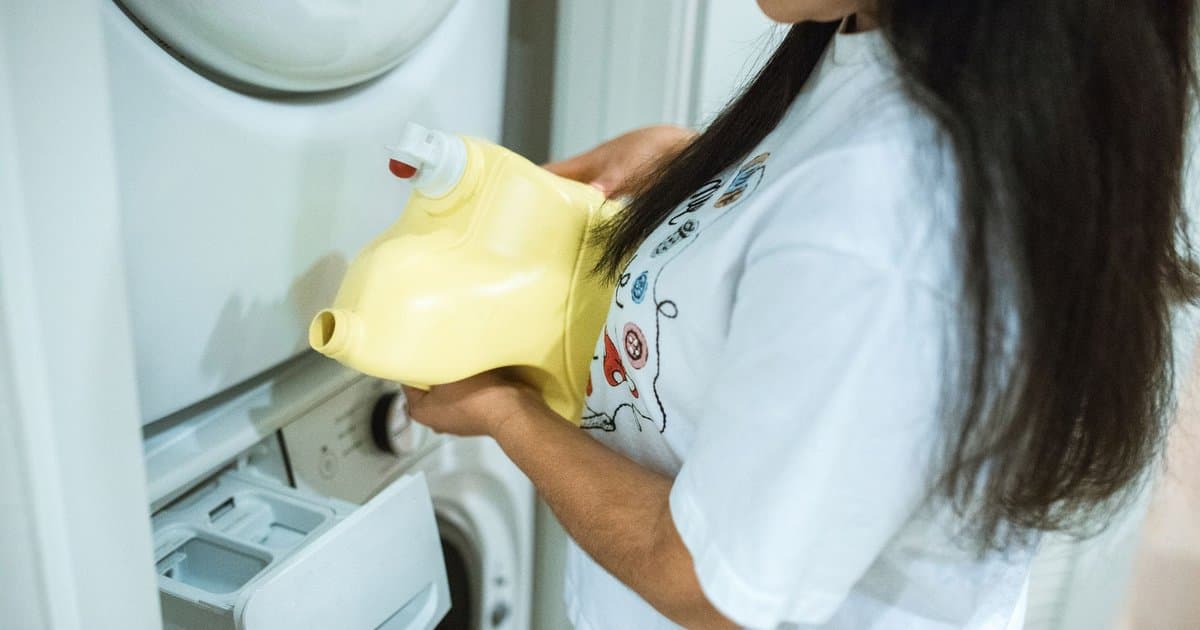
Fabric softener sells a simple promise. Pour it in and your laundry comes out soft, fluffy, and smelling like a spring morning. For some clothes, it does exactly that. The problem is that the same trick that softens a shirt can quietly wreck the things you actually need to perform. Your towels and your workout gear are the biggest losers, and most people never connect the two. To see why, you have to look at what softener really does to a fabric.
Fabric softener works by coating fibers in a thin, waxy layer. That coating is what makes the cloth feel smooth against your skin. It is a bit like putting lotion on the fabric itself. On a cotton shirt or a set of sheets, that film is mostly harmless and feels nice. The trouble is that the same film does not rinse out cleanly, and it builds up load after load. Over time, your fabrics are wearing a coat you never meant to give them.
Now think about what a towel is supposed to do. A towel dries you because cotton loops pull water off your skin and soak it up. That waxy softener coating is water repellent by its very nature. Every wash with softener leaves more of that film, and the loops slowly lose their grip on water. The towel that felt plush at first starts pushing water around instead of drinking it up. People blame the towel when the softener is the real culprit.
Workout clothes suffer in a different but related way. Most athletic gear is built to wick sweat away from your body and move it to the surface to dry. That wicking depends on the fabric staying clean and open. Softener clogs those tiny spaces with its coating, and the wicking fades fast. Suddenly your shirt holds sweat instead of moving it, and it can smell even after a wash. The very feature you paid extra for gets smothered.
There is a safety angle that surprises people too. Children pajamas are often made to be flame resistant, either by the fabric or a treatment. Fabric softener can coat that fabric and reduce how well it resists a flame. That is why the care tags on flame resistant sleepwear often warn against using softener at all. It is not a marketing note, it is a real reason to skip the bottle. When a tag tells you to leave softener out, the tag means it.
The same goes for a lot of technical fabrics you may not think about. Water resistant jackets, microfiber cloths, and moisture wicking socks all rely on how their surfaces are built. A softener coating dulls all of it over time. Microfiber cleaning cloths, for example, stop grabbing dust once they are coated. The rule of thumb is that anything made to move water, repel water, or grab particles does worse with softener. Softness and function are often working against each other.
So what do you do if you still want soft laundry? For towels, the classic fix is wool dryer balls or a splash of white vinegar in the rinse. Vinegar softens and strips old buildup without leaving a coating, and the smell washes out. Dryer balls fluff the load by bouncing through it and separating the fibers. Both cost little and skip the waxy film entirely. Your towels get soft the honest way, by staying clean rather than getting coated.
The bigger point is to stop treating fabric softener as a default. It has a narrow place, maybe on cotton clothes or bedding you want extra smooth. On anything that has a real job to do, it is working against you. Read your care tags, keep it away from towels, activewear, and flame resistant clothing. Watch those items last longer and work better once you do. The softest option is not always the best one. Sometimes the thing that feels nice in the bottle is the thing wearing your laundry down.