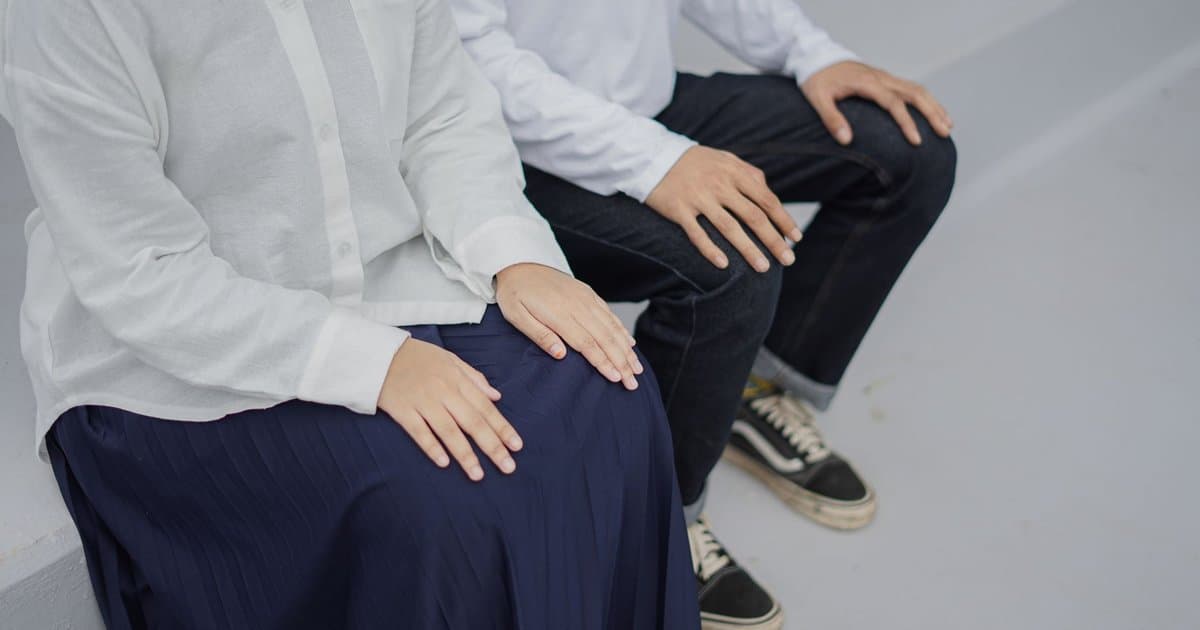
Pick up a man's shirt and a woman's shirt and look at the buttons. On the man's shirt, the buttons sit on the right side as he wears it. On the woman's shirt, they sit on the left. Most people assume this is a random quirk of the clothing world. It is not. The split has real roots in history, habit, and who once did the dressing.
Start with the common story about wealth and servants. Centuries ago, well off women often did not dress themselves at all. A maid or helper stood in front of them and fastened each button by hand. Buttons on the wearer's left are easier for a helper who faces her to reach. So dressmakers placed them there to suit the person doing the work. The pattern stuck long after most women stopped having anyone dress them.
Men's shirts went the other way for their own set of reasons. Most men dressed themselves, so buttons sat on the right for a right handed hand. Some point to the military as another cause for the choice. A soldier drawing a weapon with his right hand wanted his coat to close in a helpful way. Right side buttons let the flap fall smooth under a drawn sword or pistol. These habits hardened into a standard that makers still follow today.
The strange part is how long the split has lasted. The reasons behind it faded generations ago, yet the pattern remains fixed. Few women today have a servant fasten their buttons each morning. Few men button a coat with a sword on the hip. Still, factories cut and sew shirts the same old way out of pure habit. A rule born from daily life outlived the life that made it.
This is a good reminder that fashion often carries hidden history. Many things we treat as normal began as answers to problems long gone. The vent at the back of a suit jacket was cut so men could ride a horse. Wide lapels, cuff buttons, and collar shapes all trace to older needs. Clothing keeps these marks like fossils pressed into the design. Once you know the story, a plain shirt starts to look far more interesting.
It also shows how habit can outweigh reason in daily goods. No modern law says shirts must button by the wearer's sex. Makers could switch the pattern tomorrow with no real cost. Yet they keep the old sides because buyers expect them that way. The market runs on what feels familiar, not on what makes fresh sense. Change would only confuse shoppers who never asked why in the first place.
There is a quiet lesson here for anyone who likes to ask questions. The things that feel most fixed are often just old choices repeated. A shirt does not know who is wearing it, yet the seams still obey a past rule. When you notice one of these patterns, you start to see many more. Everyday objects are full of decisions made by people we will never meet. History hides in plain sight, stitched right into a collar.
So the button side is not a small mystery with no answer. It is a clear echo of a world where dressing was a job and a duty. Wealth, handedness, and even war all left their mark on a simple seam. The reasons are gone, but the design carries on without them. Next time you button a shirt, notice which side gives way. You are following a habit far older than anyone alive.