Almost every product in your makeup bag has a shelf life, even though it rarely comes with a big printed date like the milk in your fridge. The clock usually starts the moment you open it, not the day you bought it. That information is printed on the packaging, but it hides inside a small symbol most people never notice. Find the little icon that looks like an open jar with a number next to it, followed by the letter M. That number is how many months the product stays safe to use after you break the seal. A 6M means six months, a 12M means a year, and a 24M means two years.
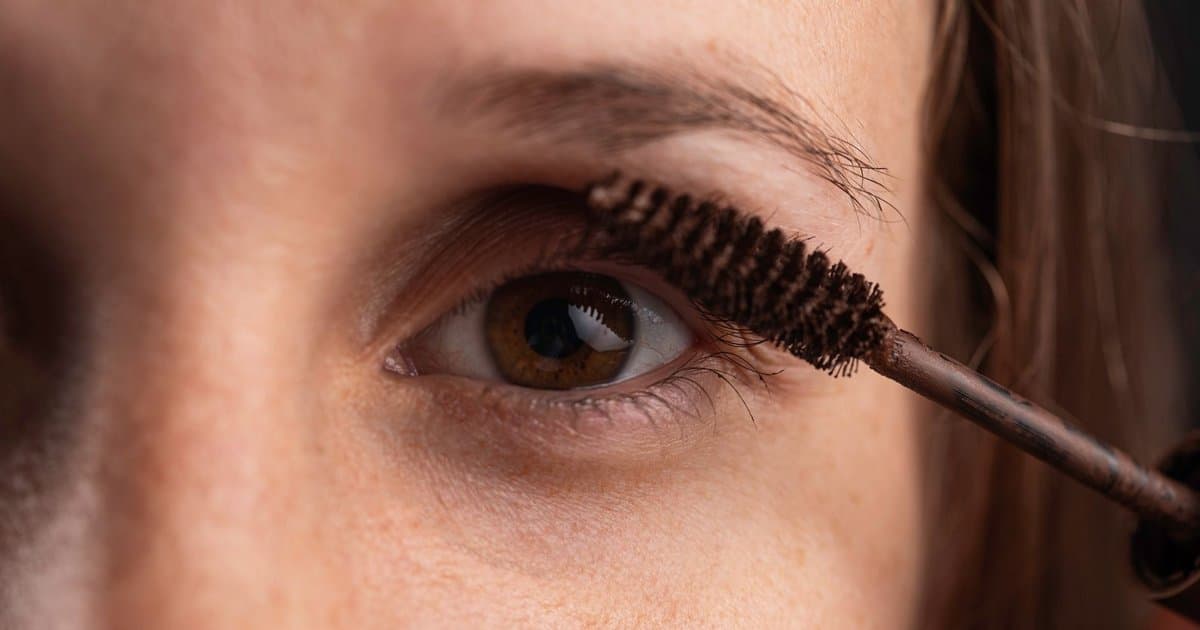
Mascara is the shortest clock in the bag, and it is not close. Most brands rate it for three months after opening, and there is a real reason for that short window. Every time you pull the wand out and push it back in, you pump air and whatever is on the brush down into a warm, wet tube. That is close to a perfect home for bacteria, and the product sits right next to one of the most sensitive parts of your body. Old mascara is a common cause of eye irritation, styes, and pink eye. When the three months are up, the tube goes in the trash even if it is half full.
Liquid and cream products sit in the middle of the range, because water gives bacteria something to feed on. Liquid foundation and concealer usually last six months to a year once opened, depending on the formula and how you get it out of the bottle. Anything you dip your fingers into ages faster, since your hands carry oils and germs straight into the jar. Cream blushes, liquid highlighters, and cream shadows fall in that same six to twelve month band. A pump bottle tends to last longer than an open jar because less air and fewer fingers reach the product. If the texture separates, thins out, or smells off, it is done before the date.
Powders buy you the most time, and the reason is simple chemistry. Blush, bronzer, setting powder, and pressed eyeshadow contain little or no water, so bacteria have a much harder time taking hold. Most powders stay usable for about two years after opening, which is why that old palette can hang around. The catch is the applicator, because a brush or sponge you never wash becomes the dirtiest thing touching your face. Lipstick and lip liner generally last around a year, while lip gloss runs shorter because the wand travels back and forth from your mouth. Pencil eyeliner can last a year or two, partly because sharpening it shaves off the exposed tip and reveals fresh product.
Sunscreen is the one product that breaks all of these rules, and it matters more than the rest. Because it is regulated as an over the counter drug, it carries an actual printed expiration date, not just an open jar symbol. That date is a promise that the protection stays at full strength until then, and it is the number to trust. After it passes, the active ingredients can weaken, and weak sunscreen gives you a false sense of safety while your skin still burns. Heat speeds up that breakdown, so a bottle left in a hot car or beach bag can fail early. When in doubt about sunscreen, replace it rather than gamble on your skin.
Your storage habits can stretch these timelines or shrink them fast. The bathroom is the worst place to keep makeup, even though it is where most people store it, because heat and steam from the shower speed up spoilage. A cool, dry drawer away from direct sun is far kinder to your products. Never add water or drops to dried out mascara or liquid liner to revive it, since you are just feeding bacteria and pushing it toward your eye. Keep lids closed tightly so air and dust stay out. Sharing eye and lip products with a friend passes along whatever is living on theirs.
Your senses are a reliable backup when you cannot find or read the symbol. Trust your nose first, because a sour, chemical, or just plain wrong smell means the product has turned no matter what the date says. Watch for changes in texture, like foundation that has separated, a cream gone grainy, or a powder with a hard shiny film. Color shifts are another clear signal, especially in anything with water in it. If a product stings, itches, or makes your skin react in a way it did not before, stop using it that day. The date is a guideline, but your skin and eyes get the final vote.
A simple habit fixes almost all of this without much effort or expense. When you open a new product, write the date on the bottom with a marker or a small sticker, so you never have to guess how long it has been. Keep the shortest clocks, mascara and liquid liner, on a strict three month rotation. Toss anything that smells, feels, or looks different from the day you bought it, and do not let a pretty case talk you out of it. Wash your brushes and sponges regularly, because a clean tool protects even an aging product. None of this is about waste, it is about not putting spoiled product on your face.