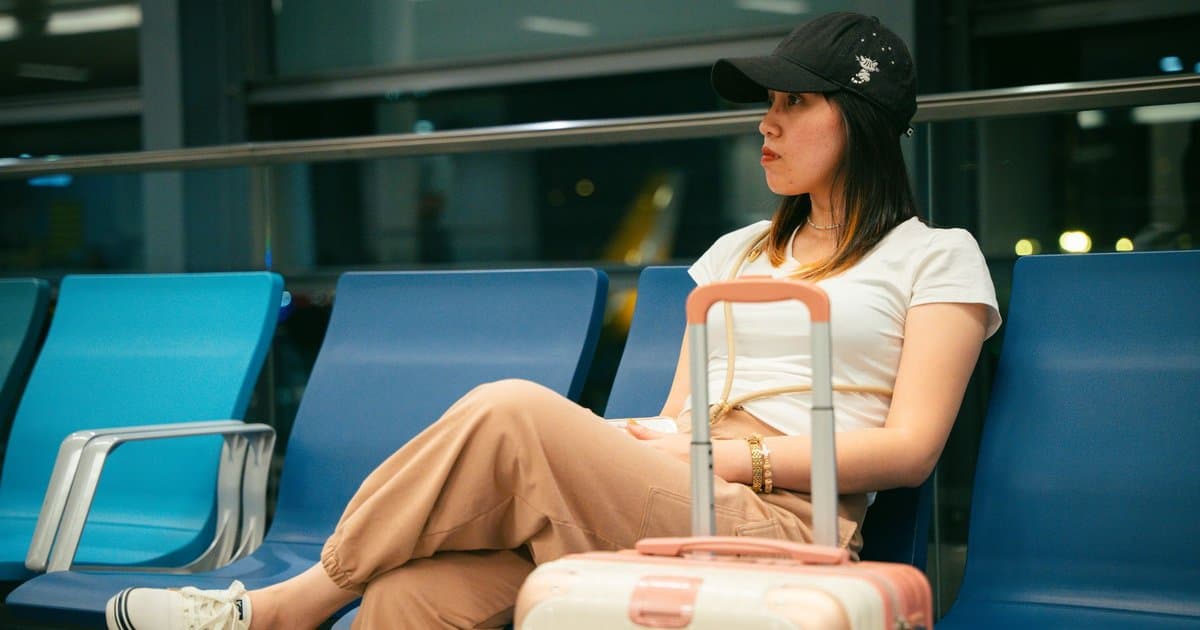
Waiting might be the part of faith nobody signs up for. We can handle a clear command or a hard task, because at least there is something to do with our hands. Waiting gives you nothing to grip. You have prayed, you believe the answer is coming, and still the days pass with no change you can see. It wears on people in a way that active trouble often does not, because at least trouble gives you a target. The silence of waiting is a different kind of weight, and pretending it is easy helps no one.
Part of why waiting is so hard is that it takes the timeline out of your hands. Most of us can trust God with the outcome as long as we secretly keep control of the schedule. Waiting strips that away completely. You cannot rush it, negotiate it, or work harder to make it come sooner. That loss of control feels a lot like being ignored, even when you are not. Underneath the impatience is usually a quiet fear that if we are not managing things, then nothing is being managed at all.
The people we read about in Scripture did not skip this season. Abraham was promised a son and then waited decades before that promise arrived. David was anointed as king while he was still young and then spent years running for his life before he ever wore a crown. Joseph sat in a prison long after he had done nothing to deserve it. The pattern shows up again and again, which tells you it is not a glitch in the story. It seems to be part of how God shapes the people He plans to use.
That reframes what waiting actually is. We tend to treat it as dead time, an annoying gap between the prayer and the answer. But the waiting often is the answer, or at least a large part of it. Something happens in a person who has to keep trusting without proof that does not happen any other way. Patience, humility, and real dependence are not built in comfort. They are built in the stretch where you have run out of your own options and have to keep showing up anyway.
The Psalms are honest about how this feels, which is part of why they help so much. The writers ask how long, they say they are worn out from crying, they wonder out loud whether they have been forgotten. Then, in almost the same breath, they turn and say they will still wait, still hope, still trust. That combination is the whole point. Faith is not pretending the waiting does not hurt. It is telling the truth about the hurt and choosing to keep your eyes up anyway.
So what do you do while you wait? You keep doing the last thing you know God asked of you, instead of freezing until the next word comes. You stay in community, because waiting alone turns quickly into despair, and other people can carry what you cannot. You look back and remember the times He came through before, since a short memory makes every delay feel like abandonment. And you let the season do its work in you rather than gritting your teeth to get through it untouched. The answer may still be a long way off, but the person who comes out the other side is rarely the same one who walked in.